
Updated November 2026
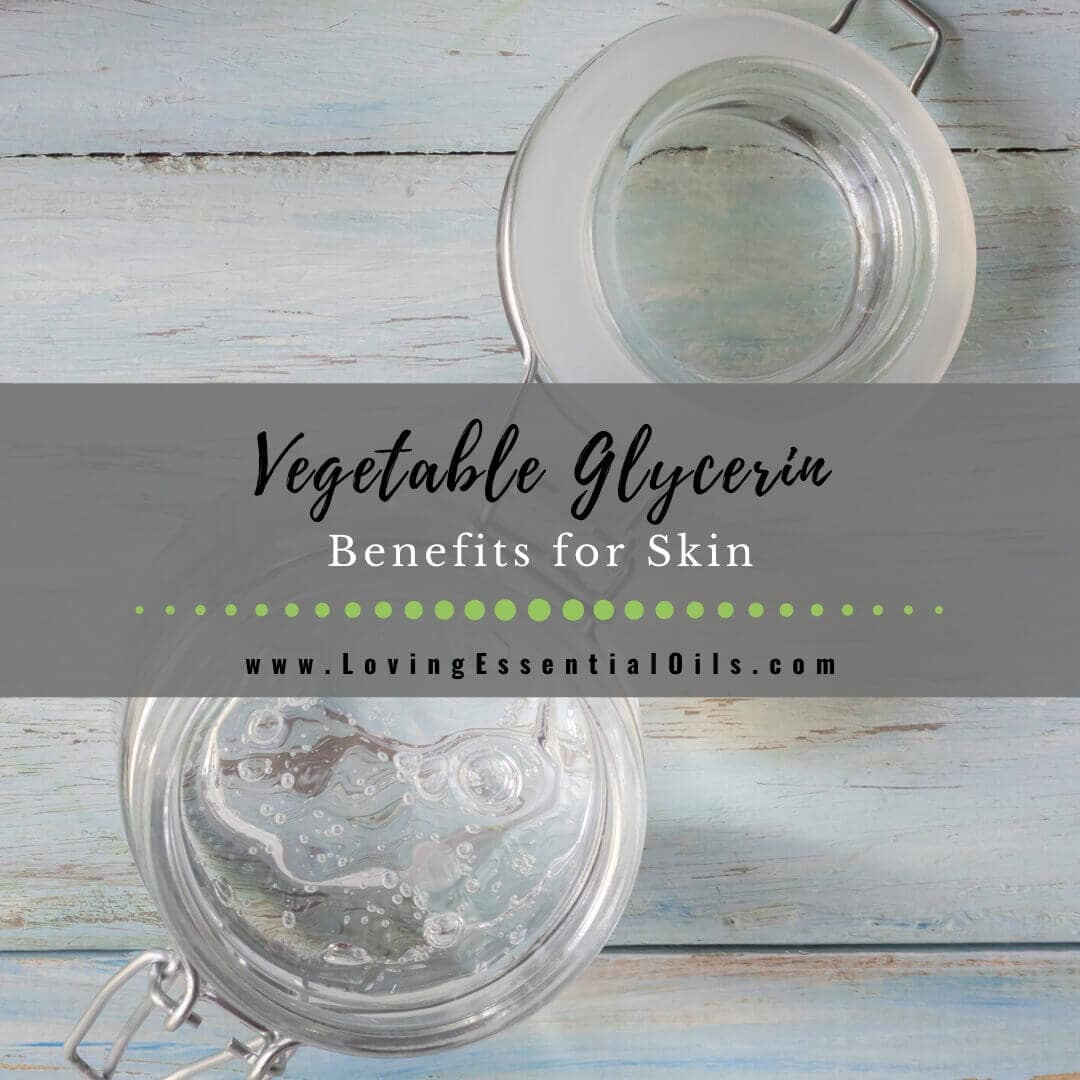
If you've seen vegetable glycerin on a DIY ingredient list, it's a clear, plant-based liquid that helps skin hold on to moisture. It's a humectant, which means it draws water in and keeps it there, so skin feels softer and less dry. In DIY recipes I use a little of it in foaming soap, body wash, and sprays.
Below you'll find what it is, how it feels on skin, how much to use, and why it won't mix essential oils into water on its own.

What Is Vegetable Glycerin?
Glycerin, also called glycerol or glycerine, is a thick, clear, syrupy liquid with almost no scent. Most of it is made by splitting plant oils, mainly palm, plus coconut and soy, into glycerol and fatty acids (Formula Botanica). Glycerin can also come from animal fats, so "vegetable glycerin" on the label tells you it's plant-based.
It isn't new. Swedish chemist Carl Wilhelm Scheele discovered glycerin in 1779, when he noticed a sweet, syrupy liquid separating out while he was making soap (Parchem). Today you'll find it on the ingredient lists of many lotions, cleansers, soaps, and toners.
What Glycerin Does on Skin
Glycerin is a humectant. It pulls water toward itself and holds it, so a product with glycerin helps skin feel softer, smoother, and less tight. It's gentle enough that it shows up in products for sensitive skin and babies.
On its own, it feels tacky. That's why a little goes a long way, and why it works best mixed into other ingredients rather than used straight.
How Much Glycerin to Use
- Leave-on products (toners, lotions, sprays): about 2 to 5% of the recipe. More than that tends to feel sticky (Formula Botanica).
- Rinse-off products (foaming soap, body wash, cleansers): you can use more, since it washes away. It keeps soap from feeling as drying, and I find it makes the foamer bottle work better too.
For a 2 oz (60 ml) spray, 2 to 5% is about ¼ to ½ tsp of glycerin.
Glycerin and Essential Oils
This is the part that trips people up: glycerin is not an emulsifier. It mixes with water, but it won't carry essential oils into water. If you add essential oils and glycerin to a water-based spray, the oils still float on top. Use one of these instead:
- Baths and soaks: mix the oils into castile soap first. Here's why castile soap comes first.
- Room and linen sprays: high-proof alcohol, like 190-proof grain alcohol.
- Face toners and mists: a solubilizer like polysorbate 20. My DIY lavender face toner explains how.
Then add a little vegetable glycerin for its softening feel.
Glycerin Quick Facts
| Quick fact | Details |
|---|---|
| What it is | A humectant: it draws in and holds water |
| Made from | Plant oils, mainly palm, coconut, and soy |
| Scent and feel | Almost no scent; thick, clear, and tacky on its own |
| Leave-on products | About 2 to 5% |
| Rinse-off products | Higher amounts are fine |
| Mixes essential oils into water? | No. Use castile soap, high-proof alcohol, or polysorbate 20 |
| Homemade water-based products | No preservative, so make fresh every week or two |
Buying and Storing Vegetable Glycerin
Look for "vegetable glycerin" on the label so you know it's plant-based. Here is one I like (affiliate link).

Keep the cap tight and store it somewhere cool and out of the sun. As with any new ingredient, patch test a homemade product on your inner forearm for 24 to 48 hours before using it all over.
Share on Pinterest

Recipes That Use Glycerin
- 10 Natural Essential Oil Foaming Body Wash Recipes
- DIY Essential Oil Body Wash
- Orange Foaming Hand Soap
- DIY Lavender Face Toner
- List of Carrier Oils
Ready to make your own blends? My Aromatherapy Supply Kits have the bottles you need, and my free essential oil guides are full of recipe ideas.
Ultimate Essential Oil Recipes Guide - DIY Blends
$ 9.99
DIY Essential Oil Recipes Ultimate Guide - Download/Printable Using essential oils for natural health and wellness can be really amazing. In this Ultimate DIY Recipes Guide you will learn simple ways to make homemade recipe with essential oils. I love… Read More