

Table of Contents
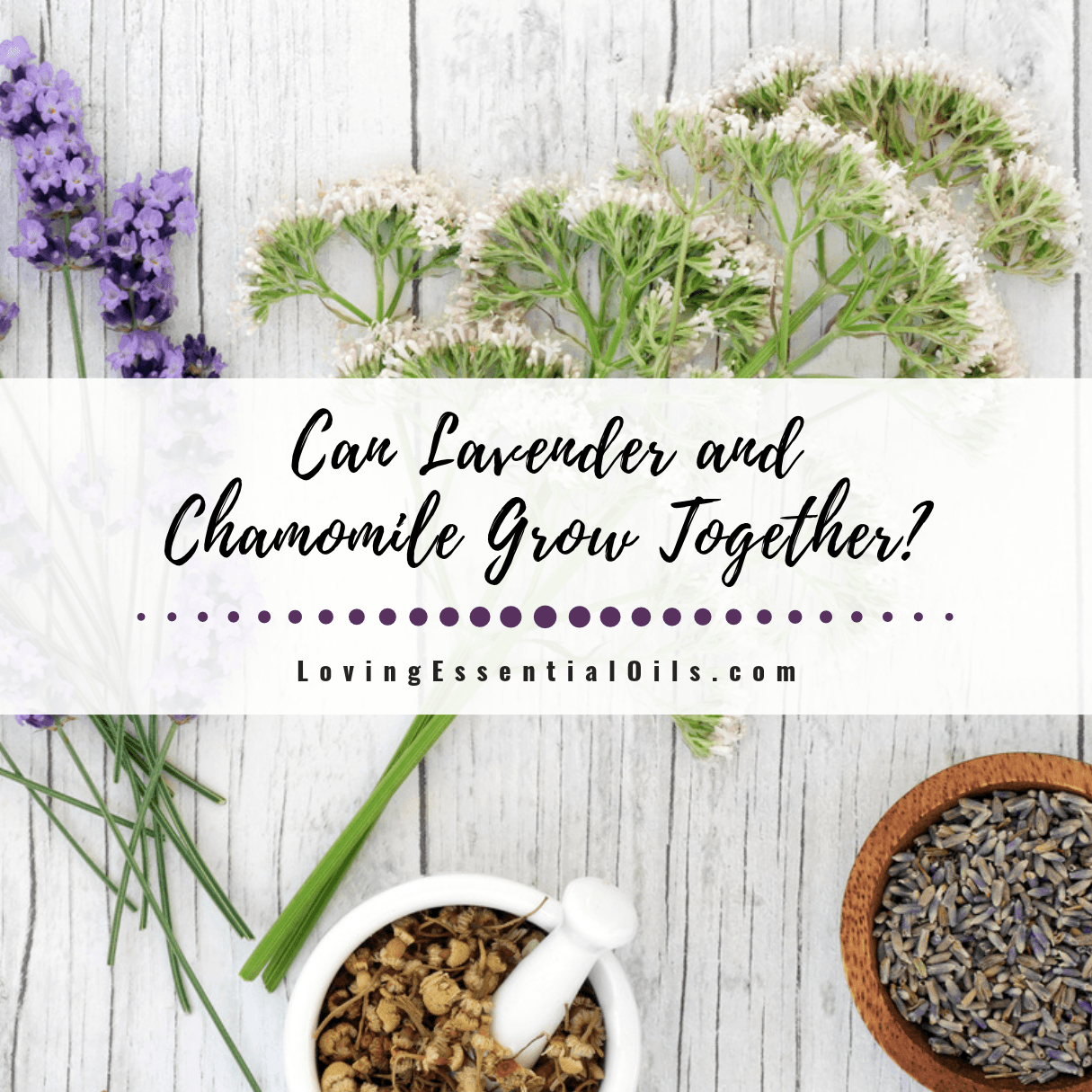
Yes, lavender and chamomile can grow together, and they make lovely garden neighbors. Both love full sun and soil that drains well. The one thing to watch is water: give lavender the driest, leanest spot, since chamomile (especially Roman chamomile) likes a little more moisture.
Below you'll find which chamomile to plant, how to give lavender and chamomile what they each need, a few planting tips, and what to do with your harvest. For everything lavender, see my full lavender essential oil guide.
A Garden for the Bees
I live in Orland, California, the Queen Bee Capital of North America. About a dozen queen bee breeders work in and around town, so bees are simply part of everyday life here.
Over 15 years ago I planted lavender in my backyard so I could enjoy the flowers and fragrance, and it's been happy ever since. Our Mediterranean climate, with hot, dry summers and mild, rainy winters, is just what lavender loves. It makes sense, since lavender comes from the Mediterranean too.
And the bees just love it. When my lavender is in bloom, it's busy with bees all day long. Chamomile is another bee favorite, so planting lavender and chamomile together gives the pollinators even more to visit.
Which Chamomile Should You Plant?
There are two chamomiles, and they grow very differently:
- German chamomile (Matricaria chamomilla) is an annual that grows about 1 to 2 feet tall, with lots of small daisy-like flowers. It reseeds itself easily, and it's the chamomile most people dry for tea.
- Roman chamomile (Chamaemelum nobile) is a low, spreading perennial that stays close to the ground. It makes a soft, fragrant border or edging, and it likes a bit more water than lavender.
German chamomile is the easier neighbor for lavender, since it's happy with drier soil. If you choose Roman chamomile, plant it at the edge of the bed where it can get a little extra water without soaking the lavender.
What Lavender and Chamomile Both Need
- Full sun: at least 6 hours of direct sun a day.
- Well-drained soil: lavender can't stand wet feet, and chamomile doesn't like soggy soil either.
- Not too much water: both are fairly drought-tolerant once established. Water deeply, then let the soil dry out between waterings.
Planting Tips
- Keep lavender's soil lean. Lavender grows best in soil that isn't rich, so skip the compost and fertilizer around it. It also prefers neutral to slightly alkaline soil.
- Skip organic mulch around lavender. Bark or wood mulch holds moisture against the base of the plant, which can lead to rot. Use a layer of gravel or leave the soil bare around lavender.
- Give them room. Lavender grows into a full, rounded bush, so space plants so air can move freely between them. Good air flow helps keep both plants healthy.
- Plant chamomile at the edges. Low Roman chamomile looks pretty along the front of the bed, and taller German chamomile can fill in around the lavender.
What to Do With Your Harvest
- Dry your lavender for sachets, potpourri, and wreaths. Here's how to dry lavender.
- Dry German chamomile flowers on a screen in a warm, shady spot, then store them in a jar for tea.
- Enjoy the pair in the bottle, too. Lavender and Roman chamomile essential oils are a classic bedtime combination. Try my lavender and chamomile pillow spray.
Curious about the different lavenders? Read about the types of lavender.
A Note About Pets
The ASPCA lists both lavender and chamomile as toxic to dogs, cats, and horses if eaten, with signs like vomiting and loss of appetite. If your pets like to nibble in the garden, plant these where they can't reach, and call your vet if you think they've eaten some.
Sources
- KRCR, "Orland: Queen Bee Capital of North America."
- ASPCA Animal Poison Control, "Lavender" and "Chamomile."
More Lavender Ideas
- Lavender Diffuser Blends and Essential Oil Guide
- How to Dry Lavender
- Lavender and Chamomile Pillow Spray
- Lavender Essential Oil Types
Ready to make your own blends? My Aromatherapy Supply Kits have the bottles you need, and my free essential oil guides are full of recipe ideas.