

Table of Contents
An essential oil's maximum dilution is the highest percentage considered safe on your skin, set to help prevent irritation, sensitization or a sun reaction. Most oils are fine at everyday 1 to 3%, but strong spice oils like cinnamon bark (0.07%) and clove bud (0.5%), some florals like ylang ylang (0.8%), and cold-pressed citrus on sun-exposed skin need much less.
Below you'll find what maximum dilution really means, how to use these numbers in your own recipes, and my list of over 50 common oils that need lower limits. Jump to the list.
What Does Maximum Dilution Mean?
A maximum dilution, sometimes called a dermal limit, is the highest amount of a single essential oil that safety researchers consider safe to use on skin. Oils get a lower limit for a few reasons:
- Sensitization: some oils can trigger a lasting allergic-type skin reaction, especially with repeated use or when the oil is old and oxidized.
- "Hot" oils: spice and herb oils like cinnamon, clove and oregano can cause redness, warmth and irritation.
- Sun sensitivity: some cold-pressed citrus oils can cause a serious skin reaction in sunlight.
- Other concerns: a few oils, like wintergreen, carry cautions for long-term use or for people taking certain medications.
The numbers in this post come from Robert Tisserand and Rodney Young's Essential Oil Safety (2nd edition), the reference most aromatherapists rely on. You can learn more from the Tisserand Institute. Where I personally use a more cautious limit, I say so.
How to Use These Numbers
- The limit is per oil, not per blend. A 2% roller can contain 0.5% clove bud and 1.5% of other oils, and it's within the clove limit.
- One drop counts for a lot in small bottles. One drop in a 10 ml roller is already 0.5%. One drop in 1 oz is about 0.17%.
- My everyday ceiling still applies. Even if an oil's published limit is 8% or 10%, I keep everyday blends at 1 to 3% and only go up to 5% for short-term use on a small spot. My diluting essential oils guide has my full dilution chart and an easy calculator.
- These limits are for skin. Diffusing a drop or two of cinnamon or clove in a ventilated room is a different situation.
How Much Carrier Oil Does One Drop Need?
For the very strongest oils, even one drop needs a surprising amount of carrier oil to stay under the limit:
| Essential Oil | Max | Carrier Needed for 1 Drop |
|---|---|---|
| Cassia (Cinnamomum cassia) | 0.05% | About 3½ oz (100 ml) |
| Cinnamon bark (Cinnamomum verum) | 0.07% | About 2½ oz (72 ml) |
| Allspice (Pimenta dioica) | 0.15% | A little over 1 oz (34 ml) |
| Lemon verbena (Aloysia citrodora) | 0.2% | About 1 oz (25 ml) |
| Clove bud (Syzygium aromaticum) | 0.5% | 10 ml (one roller) |
| Ylang ylang (Cananga odorata) | 0.8% | About 6 ml |
That's why I keep cassia and cinnamon bark for the diffuser.
Maximum Dilution List for Common Essential Oils
These are the oils I see most often in home collections that need a limit below my 5% ceiling. They're grouped by type and listed from lowest to highest within each group.
Spices and Kitchen Herbs
| Essential Oil | Max | Notes |
|---|---|---|
| Cassia (Cinnamomum cassia) | 0.05% | Diffuser only |
| Cinnamon bark (Cinnamomum verum) | 0.07% | Diffuser only |
| Allspice, pimento berry (Pimenta dioica) | 0.15% | |
| Cumin (Cuminum cyminum) | 0.4% | Can also react with sunlight |
| Clove bud (Syzygium aromaticum) | 0.5% | Clove leaf and stem are 0.6% |
| Cinnamon leaf (Cinnamomum verum) | 0.6% | |
| Nutmeg, East Indian (Myristica fragrans) | 0.8% | West Indian nutmeg is 5% |
| Bay, West Indian (Pimenta racemosa) | 0.9% | |
| Holy basil, tulsi (Ocimum tenuiflorum) | 1% | |
| Oregano (Origanum vulgare) | 1.1% | A "hot" oil |
| Caraway (Carum carvi) | 1.2% | |
| Dill seed (Anethum graveolens) | 1.2% | |
| Thyme, thymol type (Thymus vulgaris) | 1.3% | A "hot" oil |
| Star anise (Illicium verum) | 1.75% | |
| Sweet fennel (Foeniculum vulgare) | 2.5% | Avoid during pregnancy and breastfeeding |
| Basil, linalool type (Ocimum basilicum) | 3.3% | Other basil types can be much lower |
| Ginger (Zingiber officinale) | 4% |
Lemony Oils
| Essential Oil | Max | Notes |
|---|---|---|
| Lemon verbena (Aloysia citrodora) | 0.2% | |
| Lemongrass (Cymbopogon flexuosus) | 0.7% | A common skin sensitizer at higher amounts |
| Lemon myrtle (Backhousia citriodora) | 0.7% | |
| May chang (Litsea cubeba) | 0.8% | |
| Lemon tea tree (Leptospermum petersonii) | 0.8% | Very different from regular tea tree |
| Melissa, lemon balm (Melissa officinalis) | 0.9% |
Florals
| Essential Oil | Max | Notes |
|---|---|---|
| Rose otto (Rosa damascena) | 0.6% | |
| Jasmine absolute (Jasminum grandiflorum) | 0.7% | |
| Ylang ylang (Cananga odorata) | 0.8% | 1 drop per 10 ml roller |
| Tuberose absolute (Polianthes tuberosa) | 1.2% | |
| Rose absolute (Rosa centifolia) | 2.5% | |
| Helichrysum (Helichrysum italicum) | 4% | The absolute is 0.5% |
| Roman chamomile (Chamaemelum nobile) | 4% | Skip with a ragweed or daisy allergy |
| German chamomile (Matricaria recutita) | 4% | Skip with a ragweed or daisy allergy |
Mints and Wintergreen
| Essential Oil | Max | Notes |
|---|---|---|
| Spearmint (Mentha spicata) | 1.7% | Lower than peppermint |
| Wintergreen (Gaultheria procumbens) | 2.4% | Adults only. Avoid with aspirin sensitivity or blood thinners. |
| Sweet birch (Betula lenta) | 2.5% | Same cautions as wintergreen |
Conifers
| Essential Oil | Max | Notes |
|---|---|---|
| Siberian fir (Abies sibirica) | 1% | Balsam fir is 10%, so check which fir you have |
| Black spruce (Picea mariana) | 1% | |
| White fir, silver fir (Abies alba) | 2% | |
| Himalayan cedarwood (Cedrus deodara) | 2% | Atlas, Texas and Virginian are 8% |
| Scots pine (Pinus sylvestris) | 2% |
Conifer oils become more irritating as they oxidize, so use them within about a year of opening and keep them cool and tightly capped.
Woods and Resins
| Essential Oil | Max | Notes |
|---|---|---|
| Peru balsam (Myroxylon balsamum) | 0.4% | A common skin allergen |
| Myrrh (Commiphora myrrha) | 1% | Avoid during pregnancy and breastfeeding |
| Cistus, rock rose (Cistus ladanifer) | 1% | |
| Frankincense (Boswellia carterii and other species) | 2% | See my frankincense guide |
| Indian sandalwood (Santalum album) | 2% | |
| Benzoin (Styrax benzoin) | 2% | |
| Palo santo (Bursera graveolens) | 3.4% |
Other Favorites
| Essential Oil | Max | Notes |
|---|---|---|
| Bay laurel (Laurus nobilis) | 0.5% | |
| Myrtle (Myrtus communis) | 1.9% | |
| Manuka (Leptospermum scoparium) | 4% | |
| Cajeput (Melaleuca cajuputi) | 4% | Eucalyptus-like. I skip it for kids under 10. |
| Carrot seed (Daucus carota) | 4% |
Sun-Sensitive Citrus Oils
These limits apply to cold-pressed oils on skin that will see sunlight or a tanning bed within 12 hours. Steam-distilled and FCF (bergapten-free) versions don't carry the sun risk, and sweet orange, tangerine and mandarin aren't sun-sensitive. More in my photosensitive essential oils guide.
| Cold-Pressed Oil | Max on Sun-Exposed Skin |
|---|---|
| Bergamot (Citrus bergamia) | 0.4% |
| Lime (Citrus aurantifolia) | 0.7% |
| Bitter orange (Citrus aurantium) | 1.25% |
| Lemon (Citrus limon) | 2% |
| Grapefruit (Citrus paradisi) | 4% |
Popular Oils Without a Special Limit Below 5%
These favorites have published limits at or above 5%, so my everyday dilution chart covers them. Age and safety cautions still apply.
- Lavender (Lavandula angustifolia), lavandin (Lavandula x intermedia) and spike lavender (Lavandula latifolia)
- Peppermint (Mentha piperita), not for kids under 6
- Rosemary (Rosmarinus officinalis), not for kids under 6
- Eucalyptus (Eucalyptus globulus and Eucalyptus radiata), not for kids under 10
- Patchouli (Pogostemon cablin) and vetiver (Chrysopogon zizanioides)
- Cedarwood (Atlas, Texas or Virginian)
- Fir (balsam or Douglas)
- Juniper berry (Juniperus communis) and cypress (Cupressus sempervirens)
- Copaiba (Copaifera officinalis)
- Geranium (Pelargonium graveolens) and palmarosa (Cymbopogon martinii)
- Clary sage (Salvia sclarea), avoid during pregnancy
- Sweet marjoram (Origanum majorana)
- Sweet orange (Citrus sinensis), tangerine and mandarin (Citrus reticulata)
- Petitgrain (Citrus aurantium)
- Black pepper (Piper nigrum)
- Steam-distilled lemon and lime
A note on absolutes: absolutes are made differently from essential oils and can have much lower limits. Lavender absolute is 0.1% and clary sage absolute is 0.25%, for example, so check the label for "absolute" before you blend.
Where I'm More Cautious
- Tea tree (Melaleuca alternifolia): the published limit is much higher, but I keep tea tree at 3% and always use fresh oil, since oxidized tea tree is more likely to irritate. See my tea tree essential oil guide.
- My overall ceiling: I keep everyday blends at 1 to 3%, massage oils and body butters at 1 to 2%, and only go up to 5% for short-term use on a small spot, even when an oil's published limit is higher.
Safety Basics
- Patch test new blends on your inner arm for 24 hours. Here's how to do a patch test.
- No peppermint or rosemary for kids under 6, and no eucalyptus under 10.
- Check with your doctor if you're pregnant, nursing or taking medications.
- Never ingest essential oils.
- Store oils cool, dark and tightly capped. Fresh oils are gentler on skin.
Keep Exploring
- Diluting essential oils guide with dilution chart and calculator
- Photosensitive essential oils sun safety guide
- 7 essential oil safety tips for beginners
- Recipes for essential oil roller bottles
- List of carrier oils
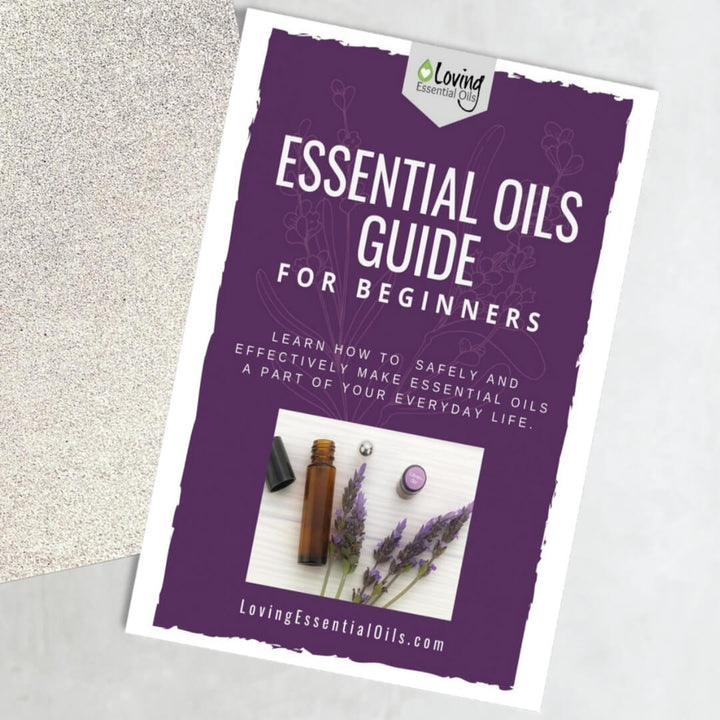
Shop my Aromatherapy Supply Kits and grab one of my free essential oil guides.
Essential Oil Guide for Beginners - Getting Started
$ 5.99
Beginner's Essential Oil Guide - Download/Printable Learn how to safely and effectively make essential oils a part of your everyday life. Everything you need to know about essential oils. If you have ever been around anyone who loves using essential… Read More