
Table of Contents
- What Does Non-Comedogenic Mean?
- 12 Best Non-Comedogenic Carrier Oils for Skin
- 1. Hemp Seed Oil (Rating 0)
- 2. Argan Oil (Rating 0)
- 3. Sunflower Oil (Rating 0)
- 4. Safflower Oil (Rating 0, high-linoleic only)
- 5. Grapeseed Oil (Rating 1)
- 6. Rosehip Seed Oil (Rating 1)
- 7. Sea Buckthorn Oil (Rating 1)
- 8. Hazelnut Oil (Rating 1)
- 9. Pomegranate Seed Oil (Rating 1)
- 10. Castor Oil (Rating 1)
- 11. Neem Oil (Rating 1 to 2)
- 12. Jojoba Oil (Rating 2)
- Comedogenic Ratings for Carrier Oils and Butters
- Best Carrier Oils by Skin Type
- How to Dilute Essential Oils in a Face Oil
- Two Simple Face Oil Recipes
- Keep Exploring
- FAQs
Updated October 2026
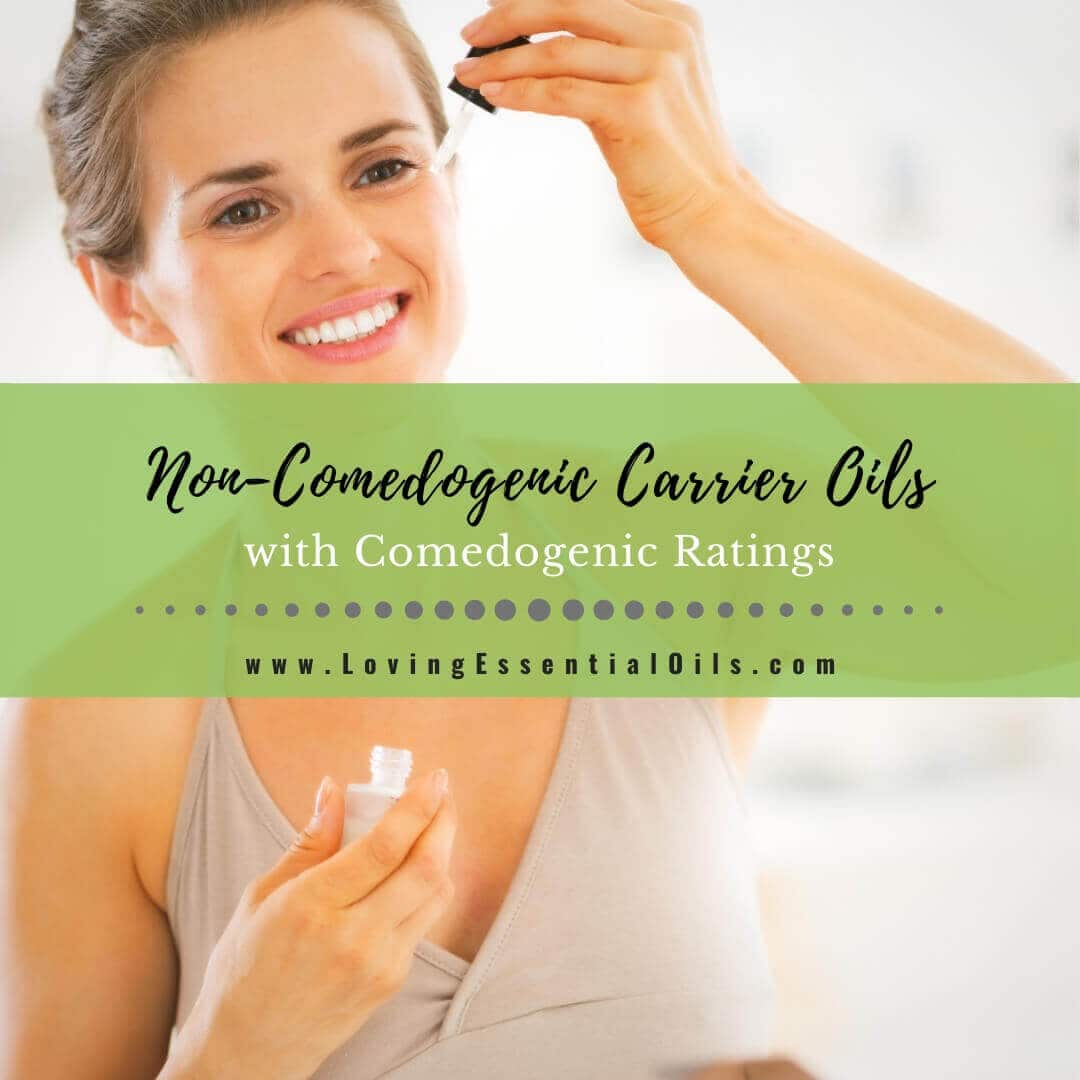
Non-comedogenic carrier oils are oils that are unlikely to clog your pores, rated 0 or 1 on the 0 to 5 comedogenic scale. The best ones for skin include hemp seed, argan, sunflower, grapeseed, rosehip and sea buckthorn, with jojoba and sweet almond (rated 2) working well for most people too.
Below you'll find what the ratings mean, my full ratings chart, which oils suit each skin type, and two simple face oil recipes. If you're new to carriers, start with my full list of carrier oils. Jump to the ratings chart.

What Does Non-Comedogenic Mean?
"Comedogenic" describes how likely an oil or butter is to clog pores. The comedogenic scale runs from 0 to 5:
| Rating | What It Means |
|---|---|
| 0 | Very unlikely to clog pores |
| 1 | Low chance of clogging pores |
| 2 | Moderately low. Fine for most people |
| 3 | Moderate. Many people with oily skin will notice breakouts |
| 4 | Fairly high. Most people will notice clogged pores on the face |
| 5 | High. Best kept off the face |
"Non-comedogenic" means an oil sits at the low end of that scale, usually 0 or 1. One honest note: these ratings come from older lab testing, and different charts don't always agree. Use them as a starting point, then pay attention to how your own skin responds.

12 Best Non-Comedogenic Carrier Oils for Skin
These are the oils I reach for most when making blends for the face or for skin that breaks out easily.
1. Hemp Seed Oil (Rating 0)
Light, quick to absorb and rich in linoleic acid. It's one of my favorites for oily and combination skin. It has a nutty, green scent and a short shelf life, so keep it in the fridge. Read my hemp seed oil spotlight.
2. Argan Oil (Rating 0)
Silky and light, traditionally used in Morocco for skin and hair. It sinks in without a greasy finish, which makes it lovely for normal, combination and mature skin. See my argan oil spotlight.
3. Sunflower Oil (Rating 0)
An affordable, gentle oil that's easy to overlook. Choose high-linoleic sunflower oil for the face. It's one of my top picks for sensitive skin and everyday body oils.
4. Safflower Oil (Rating 0, high-linoleic only)
Very light and similar to sunflower. Check the label: only the high-linoleic type rates 0, while high-oleic safflower is heavier.
5. Grapeseed Oil (Rating 1)
Thin, fast-absorbing and nearly scentless, so it lets your essential oils shine. It goes rancid faster than most, so buy small bottles. Read my grapeseed carrier oil spotlight.
6. Rosehip Seed Oil (Rating 1)
A light, dry-feeling oil that's a favorite in facial serums, especially for dry and mature skin and for marks left behind by blemishes. It oxidizes quickly, so keep it in the fridge. Find out more in is rosehip seed oil comedogenic? and 6 rosehip oil uses.
7. Sea Buckthorn Oil (Rating 1)
A deep orange oil that's traditionally used in skin care across Europe and Asia. Use just a few drops mixed into a lighter carrier, because it can tint your skin and stain fabrics orange.
8. Hazelnut Oil (Rating 1)
Light with a slightly dry, almost matte finish, which suits oily skin. Skip it if you have a tree nut allergy.
9. Pomegranate Seed Oil (Rating 1)
A rich specialty oil that I add in small amounts to blends for mature skin. I mix a small amount into a lighter base rather than using it on its own.
10. Castor Oil (Rating 1)
Very thick and sticky, so it's rarely used alone on the face. A little mixed with a lighter oil is popular for oil cleansing and for brows and lashes. See my castor oil spotlight.
11. Neem Oil (Rating 1 to 2)
Traditionally used in Ayurvedic skin care. It has a strong, garlicky smell, so I use a small amount mixed into another carrier. Read how to use neem oil for skin.
12. Jojoba Oil (Rating 2)
Technically a liquid wax, and very similar to the natural oil your skin makes. It rates a 2, but in my experience it's one of the best-tolerated carriers for every skin type, and it keeps for a long time. It's my go-to for face rollers. Read my jojoba carrier oil spotlight.
Comedogenic Ratings for Carrier Oils and Butters
Here's my full chart. Some oils show a range because their makeup varies from batch to batch and charts disagree.
| Carrier Oil or Butter | Rating |
|---|---|
| Apricot kernel oil | 2 |
| Argan oil | 0 |
| Avocado oil | 2 |
| Baobab oil | 2 |
| Castor oil | 1 |
| Cocoa butter | 4 |
| Coconut oil | 4 |
| Fractionated coconut oil | 2 to 3 |
| Grapeseed oil | 1 |
| Hazelnut oil | 1 |
| Hemp seed oil | 0 |
| Jojoba oil | 2 |
| Kukui nut oil | 2 |
| Mango butter | 2 |
| Moringa oil | 2 to 3 |
| Neem oil | 1 to 2 |
| Olive oil | 2 |
| Pomegranate seed oil | 1 |
| Pumpkin seed oil | 2 |
| Rosehip seed oil | 1 |
| Safflower oil (high-linoleic) | 0 |
| Sea buckthorn oil | 1 |
| Sesame oil | 2 |
| Shea butter | 0 to 2 |
| Sunflower oil (high-linoleic) | 0 |
| Sweet almond oil | 2 |
| Wheat germ oil | 5 |

Best Carrier Oils by Skin Type
- Oily skin: hemp seed, grapeseed, high-linoleic sunflower, hazelnut, jojoba
- Combination skin: jojoba, argan, hemp seed
- Normal skin: jojoba, argan, sweet almond, grapeseed, sunflower
- Dry skin: argan, avocado, sweet almond, jojoba with a little rosehip
- Mature skin: rosehip, argan, pomegranate seed (in small amounts), apricot kernel, jojoba
- Sensitive skin: high-linoleic sunflower, jojoba, apricot kernel, sweet almond (if no nut allergy)
Higher-rated oils and butters still have their place. Cocoa butter (4), coconut oil (4) and wheat germ oil (5) are lovely in body butters, lotion bars and massage oils for very dry body skin. I just keep them off the face.
How to Dilute Essential Oils in a Face Oil
Your face is more sensitive than the rest of your body, so keep facial blends at 1%. Body blends can go to 2 to 3% for everyday adult use.
| Dilution | Per 1 Tbsp (15 ml) | Per 10 ml Roller | Use For |
|---|---|---|---|
| 0.5% | 1 to 2 drops | 1 drop | Very sensitive skin |
| 1% | 3 drops | 2 drops | Face, kids 6+ |
| 2% | 6 drops | 4 drops | Everyday adult body use |
| 3% | 9 drops | 6 drops | Adult body blends |
See my dilution calculator and chart for more.
Two Simple Face Oil Recipes
Light Face Oil for Oily or Combination Skin
Adults and teens
- 2 tsp hemp seed oil
- 1 tsp jojoba oil
- 2 drops lavender (Lavandula angustifolia)
- 1 drop frankincense (Boswellia carterii)
- 15 ml amber glass dropper bottle
Method: Add the carrier oils to the bottle, then the essential oils. Cap and roll gently to mix. Pat 2 to 3 drops onto clean, slightly damp skin at night. This is a 1% blend. Keep the bottle in the fridge, because hemp seed oil spoils quickly.
Nourishing Face Oil for Dry or Mature Skin
Adults
- 2 tsp jojoba oil
- 1 tsp rosehip seed oil
- 1 drop frankincense (Boswellia carterii)
- 1 drop geranium (Pelargonium graveolens)
- 15 ml amber glass dropper bottle
Method: Mix as above and pat 2 to 3 drops onto clean skin at night. It's a gentle blend at under 1%. For a scent-free version for very sensitive skin, leave out the essential oils entirely. Store it in the fridge to keep the rosehip fresh.
Want to build your own? My custom facial oil guide walks you through it, and my full frankincense essential oil guide covers safe use on the face.
Tips for Choosing a Face Oil
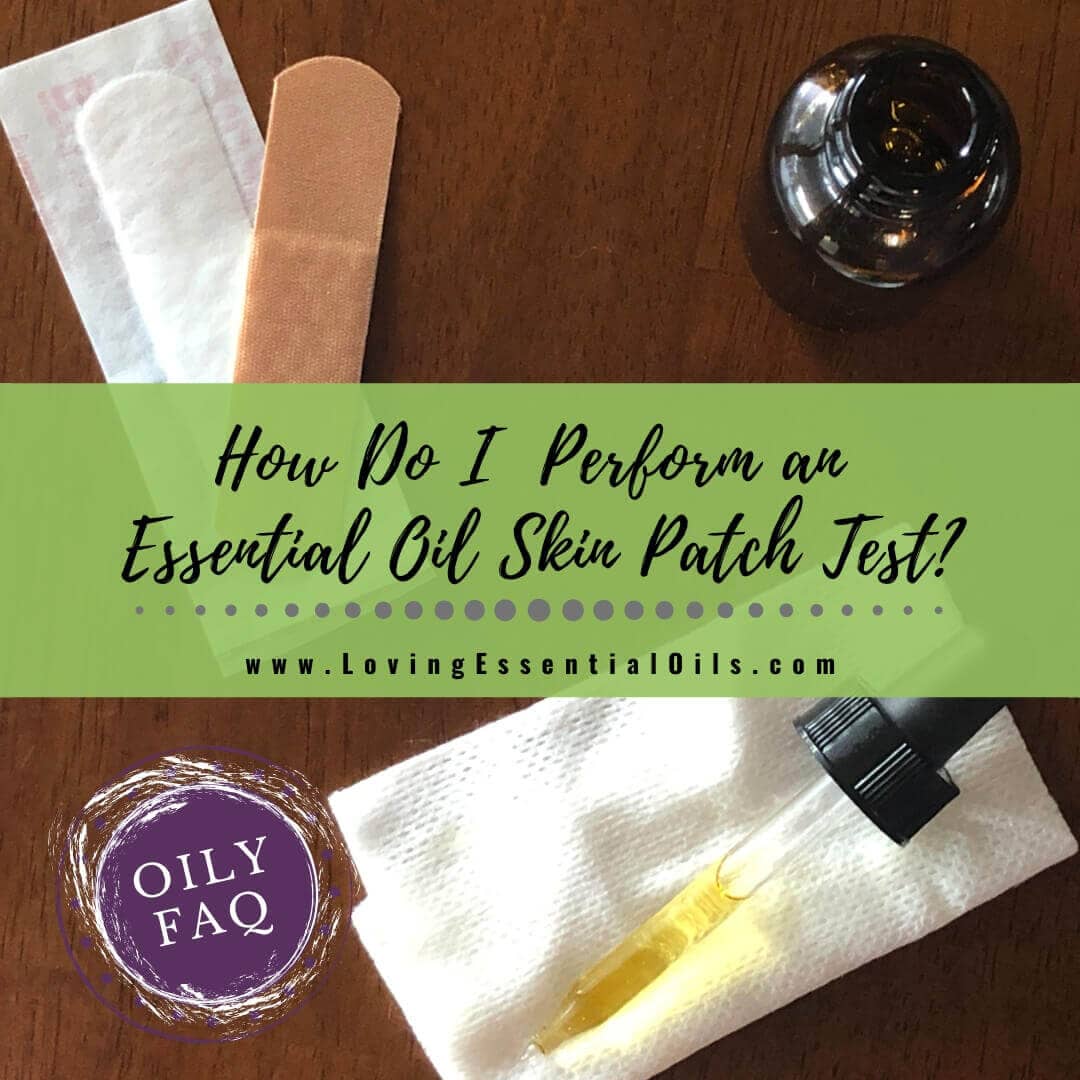
- Patch test any new oil on your inner arm or jawline and wait 24 to 48 hours. Here's how to do a patch test.
- Try one new oil at a time for a couple of weeks so you can tell what's working.
- Fresh oil matters. Rancid oil is more likely to irritate, so store carriers cool and dark and check the smell.
- Skip nut oils if you have a nut allergy.
- See a dermatologist for painful or persistent breakouts.

Keep Exploring
- List of carrier oils: 25 best carrier oils
- Carrier oil shelf life and storage
- Top 10 essential oils for skin care
- 5 essential oil combinations for skin
- Tea tree and lavender roller for blemish-prone skin
- Fractionated coconut oil vs jojoba for rollers
Shop my Aromatherapy Supply Kits and grab one of my free essential oil guides.
Share on Pinterest

Essential Oil Guide for Beginners - Getting Started
$ 5.99
Beginner's Essential Oil Guide - Download/Printable Learn how to safely and effectively make essential oils a part of your everyday life. Everything you need to know about essential oils. If you have ever been around anyone who loves using essential… Read More