
Table of Contents
- What Makes an Essential Oil "Quality"?
- My Quality Essential Oil Checklist
- What to Look for on the Label
- Ask About GC/MS Testing
- "Therapeutic Grade" and Other Label Terms
- Does Price Tell You Anything?
- Red Flags When Buying Essential Oils
- How I Choose a Brand
- Store Your Oils So They Stay Fresh
- Use Your Oils Safely
Updated October 2026
To choose quality essential oils, look for 100% pure oil labeled with the plant's botanical (Latin) name, the part of the plant used, the country of origin and the extraction method, sold in dark glass by a company that shares its GC/MS test results. A high price or a "therapeutic grade" label on its own doesn't tell you much. Below is the checklist I use, what to look for on the label, red flags to watch out for, and how to keep your oils fresh once you get them home. Jump to the quality checklist.
What Makes an Essential Oil "Quality"?
A quality essential oil is exactly what the label says it is: one plant, distilled or pressed, with nothing added and nothing taken out. That sounds simple, but essential oils can be cut with carrier oils, stretched with cheaper oils that smell similar (like lavandin sold as lavender), or mixed with synthetic fragrance compounds.
This matters for two reasons. An adulterated oil won't smell or work the way you expect in your recipes, and added synthetics or the wrong species can be more likely to irritate your skin.
Fragrance oils and perfume oils are not the same thing as essential oils. They're made for candles and soaps, not for aromatherapy or skin care. Learn more about the difference between fragrance oil and essential oil.
My Quality Essential Oil Checklist
Before you buy, check for:
- "100% pure essential oil," with no fragrance or perfume oil on the label
- The botanical (Latin) name, like Lavandula angustifolia
- The part of the plant used and the extraction method
- The country of origin
- A batch or lot number, and ideally a distillation date
- GC/MS test reports you can look up for that batch
- Dark amber or cobalt glass with an orifice reducer, not a rubber dropper
- Prices that make sense for each oil (rose shouldn't cost the same as orange)
What to Look for on the Label
| Label detail | Why it matters |
| Botanical name | Common names can cover several plants. "Eucalyptus" could be Eucalyptus globulus or Eucalyptus radiata, which smell and behave a little differently. |
| Part of the plant | Cinnamon bark and cinnamon leaf oils are very different, and bark oil is much stronger on the skin. |
| Extraction method | Steam-distilled and cold-pressed citrus oils differ. Cold-pressed bergamot and lime can make skin sun-sensitive, while steam-distilled lime generally doesn't. |
| Country of origin | Where a plant grows affects its aroma and makeup. A company that knows its sources will tell you. |
| Batch number | Lets you match your bottle to its test report. |
| Safety notes | Good labels include basic cautions, like "dilute before use" and "keep out of reach of children." |
Ask About GC/MS Testing
Gas chromatography and mass spectrometry (GC/MS) testing breaks an essential oil down into its individual compounds and shows how much of each is there. It's the best tool we have for spotting an oil that has been cut, mixed with synthetics or swapped for a cheaper species.
Many reputable companies post GC/MS reports on their websites by batch number. If you can't find them, email the company and ask. A company that cares about quality should be happy to share how its oils are sourced, made and tested.
"Therapeutic Grade" and Other Label Terms
There is no official grading system for essential oils, and terms like "therapeutic grade," "clinical grade" or "certified pure" are marketing phrases each company defines for itself. They aren't a bad sign, but they aren't proof of quality either. Look for the details above instead.
"Certified organic" is a real standard about how the plants were grown. It's a nice bonus, but it doesn't guarantee an oil is pure, so you still want to see test results.
Does Price Tell You Anything?
Price alone isn't a measure of quality, but it can be a clue. It takes a huge amount of plant material to make some oils, so they're naturally expensive. Rose, melissa, neroli, jasmine and true sandalwood will always cost much more than orange, lemon or eucalyptus.
A few things I watch for:
- Every oil in a line costs about the same. That usually means the expensive oils aren't what they claim to be.
- A rare oil is priced like a common one. Very cheap rose or sandalwood is a red flag.
- A high price comes with no sourcing or testing information. Paying more doesn't help if you can't see what you're getting.
Remember that pure oils are concentrated. You only need a few drops at a time, so a good bottle lasts a long while.
Red Flags When Buying Essential Oils
- No botanical name on the label
- "Fragrance oil," "perfume oil," "nature identical" or "aroma oil" on the label
- Clear glass or plastic bottles
- Rubber dropper tops, which break down when they sit in essential oils
- A "blend" with no ingredient list
- Claims that an oil will cure or treat an illness
- No way to contact the company or see test reports
How I Choose a Brand
I'm brand-neutral, and there isn't one "best" company for everyone. There are many good small and large companies, sold online, in stores and through direct sales. Instead of chasing a name, I look for a company that checks the boxes above, answers questions openly and has prices that make sense for each oil.
When I try a new company, I start with one or two oils I know well, like lavender or peppermint. If they smell true to what I expect and the company's paperwork checks out, I'm comfortable buying more. I also read reviews from people who use oils the way I do, and I check the return policy.
Essential Oil Guide for Beginners - Getting Started
$ 5.99
Beginner's Essential Oil Guide - Download/Printable Learn how to safely and effectively make essential oils a part of your everyday life. Everything you need to know about essential oils. If you have ever been around anyone who loves using essential… Read More
Store Your Oils So They Stay Fresh
Even the best oil won't stay good if it's stored poorly. Heat, light and air slowly change essential oils over time, and old, oxidized oils are more likely to irritate your skin.
- Keep bottles tightly capped in a cool, dark place, away from sunny windows, the stove and steamy bathrooms.
- Leave oils in their dark glass bottles, and don't store them undiluted in plastic.
- Write the date you opened each bottle on the label.
Here's how long oils last and how to tell when one has gone bad: Can I Use Expired Essential Oils?
Use Your Oils Safely
- Always dilute before applying to skin. I use 1% for the face and sensitive skin and 2 to 3% for everyday adult use. See my dilution guide and chart.
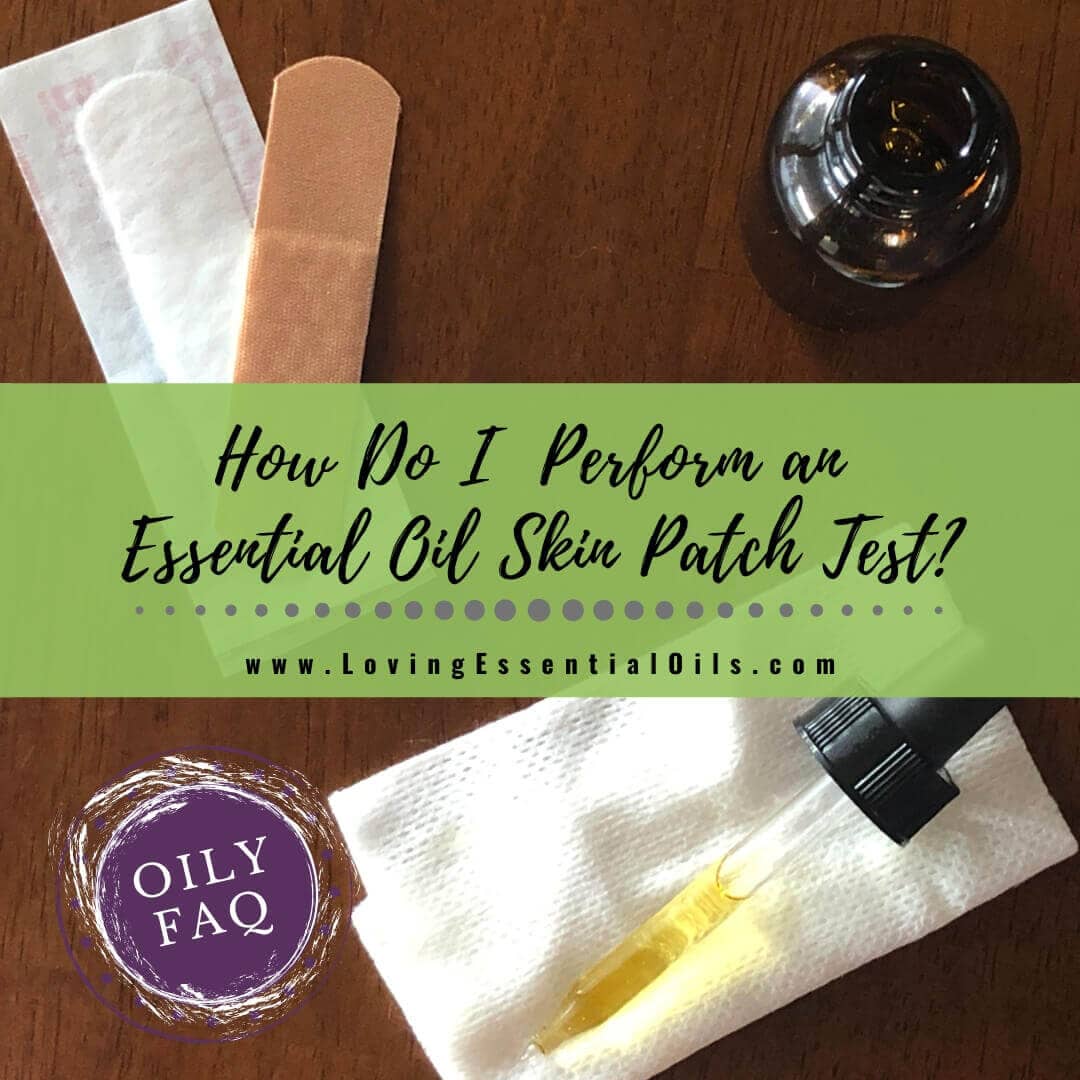
- Do a skin patch test before using a new oil.
- Never ingest essential oils.
- Check age guidelines for kids. I don't use peppermint or rosemary with children under 6, or eucalyptus under 10.
- If you're pregnant or breastfeeding, check with your doctor first.
- When diffusing, give pets a way to leave the room, and take extra care with cats and birds.
More in my essential oil safety tips.
Share On Pinterest
More Posts for Essential Oil Beginners
- How to Quickly Understand Essential Oils for Beginners
- List of Essential Oils and Their Uses
- 5 Best Carrier Oils for Essential Oils
- Top 10 Fan Favorite Essential Oils and How to Use Them
- Worst Smelling Essential Oils
Ready to start blending? My Aromatherapy Supply Kits have the bottles and supplies you need, and my free essential oil guides are a great place to begin.