

Table of Contents
- Key Takeaways
- DIY Rollers Save Money Over Time - But Cost More to Start
- DIY vs Store-Bought Essential Oil Rollers: Breaking Down the Real Costs
- DIY Quality Depends on Your Ingredients
- Store-Bought Quality: Hits and Misses
- Customization vs. Convenience
- Safety: Dilution Is Non-Negotiable
- DIY Wins on Long-Term Value - If You Invest in Quality Supplies
- Frequently Asked Questions
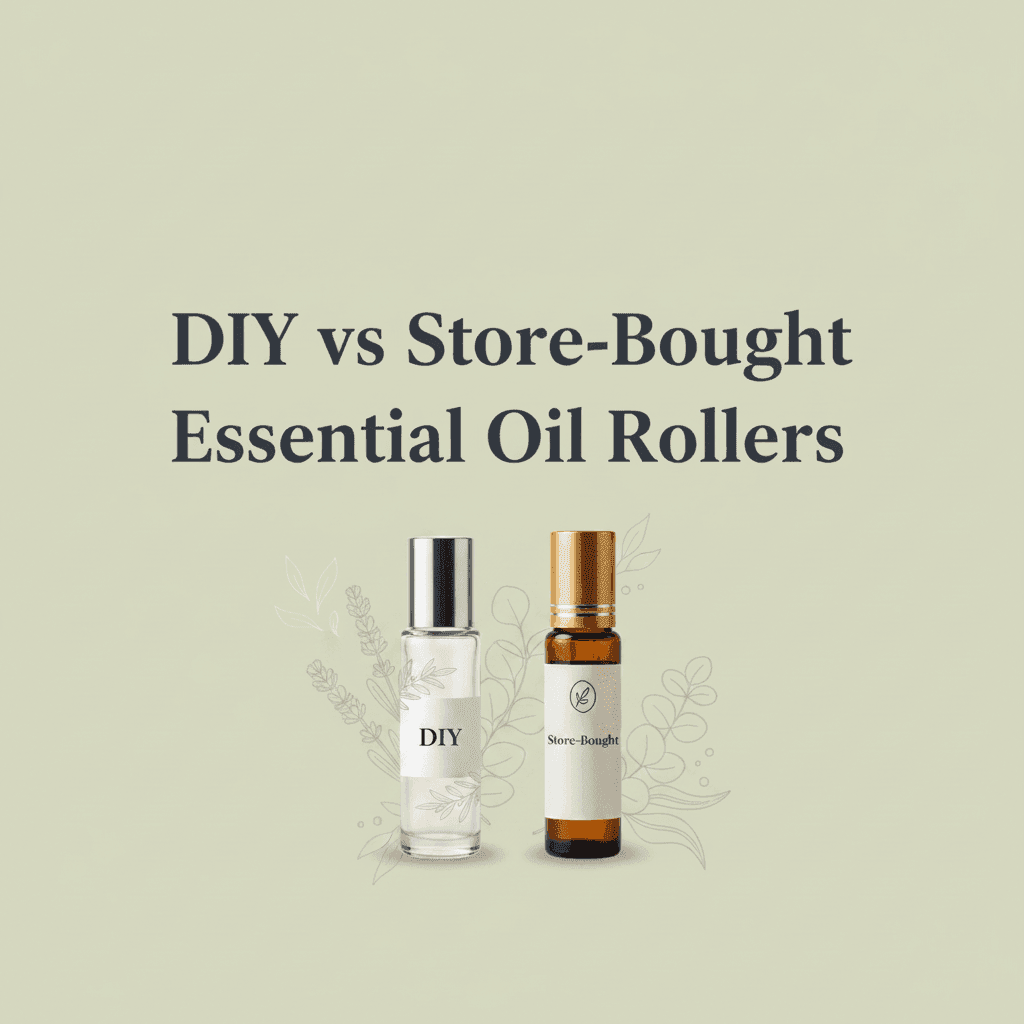
DIY vs Store-Bought Essential Oil Rollers: Essential oil rollers are one of the easiest ways to enjoy the benefits of aromatherapy on the go. Small, mess-free, and convenient, they fit in a pocket or purse and deliver a consistent amount of oil right where it is needed. The big question: is it better to make them at home or buy them ready to use? The answer depends on budget, time, and what matters most in a product.
Key Takeaways
- DIY essential oil rollers cost more upfront but save money in the long run, especially for regular users.
- Store-bought rollers range from about $4.98 to $19.99 each, while a DIY setup can produce multiple rollers for a fraction of that per-bottle cost.
- Quality in both options depends heavily on ingredients. Pure essential oils, a good carrier oil, and the right bottle materials all matter.
- Proper dilution is non-negotiable for safety, whether making rollers at home or buying pre-made ones.
- The right carrier oil can make or break a roller blend. Keep reading to see which ones perform best and why.
DIY Rollers Save Money Over Time - But Cost More to Start
Getting started with DIY rollers means buying a few things upfront: roller bottles, essential oils, and a carrier oil. That initial investment can feel steep. A quality set of four 10ml amber glass roller bottles with stainless steel balls typically runs around $5.99 to under $10. Add in a bottle of fractionated coconut oil and one or two essential oils, and the startup cost climbs to $30-$60 or more depending on the oils chosen.
Once those supplies are in hand, each additional roller costs a fraction of what a store-bought one would. Roller bottles help stretch expensive essential oils further by delivering measured, controlled amounts - reducing waste with every roll. For someone who uses rollers regularly, that math adds up fast.
DIY vs Store-Bought Essential Oil Rollers: Breaking Down the Real Costs
DIY Starter Costs: Bottles, Oils, and Carriers
A reasonable DIY starter kit breaks down like this:
- Roller bottles (4-pack, 10ml amber glass with stainless steel balls): ~$5.99-$9.99
- Fractionated coconut oil (4 oz): ~$8-$12
- Essential oils (varies widely): $8-$30+ per bottle depending on the oil
Once those supplies are in place, the cost per roller drops dramatically. A single 10ml DIY roller for everyday use typically calls for 4-10 drops of essential oil to achieve a safe 2-5% dilution, with the remainder filled by carrier oil. That means one essential oil bottle can fill many rollers. Choosing the right carrier is a big part of making those oils go further. Loving Essential Oils has put together a thorough list of carrier oils and their benefits, covering everything from jojoba to rosehip, which is a helpful reference when deciding what base to use.
Store-Bought Price Point: $4.98 to $19.99 Per Roller
Pre-made essential oil rollers span a wide price range. A basic 10ml Calm roller blend from a reputable brand might go for around $8.00. More specialized or premium blends can push $15-$20. Buy several, and that cost compounds quickly. For someone who rotates between five or six different blends, the store-bought route could easily run $60-$100 or more to maintain a full collection.
DIY Quality Depends on Your Ingredients
Why Pure Essential Oils Matter
True essential oils are steam-distilled or cold-pressed directly from plant material - no synthetic additives, no fillers. Fragrance oils are not the same thing. They may smell similar but lack the therapeutic compounds that make essential oils effective. Using a pure, unadulterated essential oil is what separates a DIY roller that works from one that just smells nice.
Choosing the Right Carrier Oil
The carrier oil does more than dilute - it affects how the blend absorbs into the skin, how long it lasts on the shelf, and how it feels during application. Three of the most popular choices for roller blends are:
- Fractionated Coconut Oil: Lightweight, odorless, stays liquid, long shelf life - a top pick for almost any blend.
- Jojoba Oil: Technically a wax ester, it closely mimics the skin's natural sebum and is excellent for facial rollers.
- Sweet Almond Oil: Gentle and slightly nourishing, great for sensitive or dry skin types.
Each carrier brings different absorption rates, comedogenic ratings, and shelf lives to the table - and those differences matter depending on where and how the roller will be used.
Amber Glass and Stainless Steel: The Gold Standard
Bottle material is often overlooked, but it significantly affects product quality. Amber or cobalt blue glass bottles filter out UV rays that would otherwise degrade essential oil compounds over time - keeping blends potent longer. Stainless steel roller balls are the preferred choice over plastic because they glide smoothly, do not degrade with repeated use, and will not react with the oils. Plastic roller balls can stick, drag, or break down when exposed to certain essential oils, causing leaks and wasted product.
Store-Bought Quality: Hits and Misses
Leakage and Roller Ball Problems
Not all pre-made rollers are created equal. A recurring complaint with some store-bought options is leakage - often caused by inconsistent manufacturing standards, particularly from brands that outsource components. When a roller ball does not fit the bottle neck precisely, it can seep during travel or storage. Some rollers also stick or fail to glide smoothly, leading to uneven application and wasted product. These quality issues are not universal, but they are common enough to warrant attention when shopping.
How to Spot a Trustworthy Label
A well-made store-bought roller should have a clear, transparent ingredient list. Look for:
- Named essential oils (e.g., Lavandula angustifolia, not just "lavender scent")
- A named carrier oil as the base
- No vague terms like "fragrance" or "parfum" - these often signal synthetic fillers
- Amber or dark glass packaging
If a label does not clearly disclose what is inside, that is a red flag. Reputable brands lean into transparency because their ingredients are worth listing.
Customization vs. Convenience
DIY: Tailored Blends for Your Needs
One of the strongest arguments for making rollers at home is the ability to personalize every blend. Someone dealing with tension headaches can combine peppermint and lavender at a specific ratio. A person wanting a focus blend during work hours can combine rosemary and lemon. Skin sensitivities, scent preferences, and therapeutic goals can all be accounted for - something no pre-made product can fully replicate.
Pre-Made: Ready to Use, No Expertise Required
Pre-made rollers have one undeniable advantage: they are ready the moment they arrive. No measuring, no blending, no risk of getting the dilution wrong on a first attempt. For beginners or anyone who wants the benefits of essential oils without the learning curve, a well-formulated store-bought roller is a solid starting point. It is also a practical way to test whether a particular blend works before committing to making it in bulk.
Safety: Dilution Is Non-Negotiable
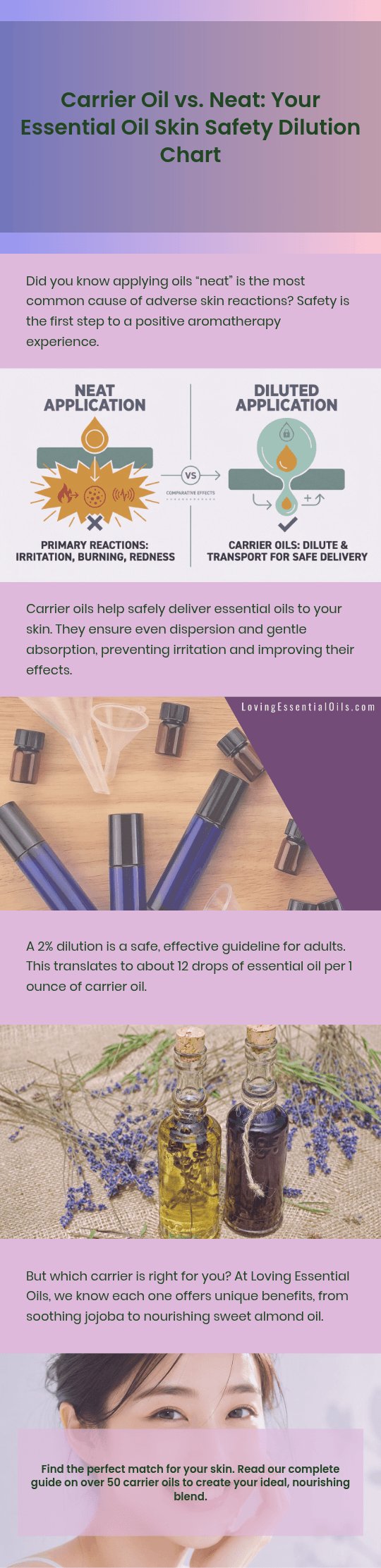
Whether going the DIY route or buying pre-made, proper dilution is the most important safety factor in any topical essential oil product. Undiluted essential oils applied directly to skin can cause irritation, sensitization, or chemical burns. Even oils that seem gentle can still cause skin irritation.
- The general guideline for adults is a 2 to 5% dilution in a carrier oil for everyday use, which works out to roughly 4 to 10 drops of essential oil per 10ml roller bottle.
- Children, pregnant individuals, and those with sensitive skin require even lower concentrations.
- Always research the specific oils being used, as some like cinnamon bark or clove require much lower dilution rates than others.
DIY Wins on Long-Term Value - If You Invest in Quality Supplies
When the full picture is considered - cost per roller over time, ability to customize, and control over ingredient quality - DIY essential oil rollers come out ahead for most regular users. The upfront investment pays for itself after a handful of bottles, and the freedom to choose exactly what goes into each blend is something no store shelf can match.
That said, store-bought rollers are a genuinely good option for beginners, for gifting, or for anyone who wants a specific blend without sourcing individual ingredients. The key is knowing what to look for on the label and not assuming a higher price tag guarantees better quality.
Either way, the fundamentals do not change: pure ingredients, proper dilution, and quality packaging are what separate a roller that actually works from one that just looks nice on a shelf. Get those right, and the experience - DIY or store-bought - will be far better for it.
For a deeper look at aromatherapy recipes, roller blends, and essential oil tips, Loving Essential Oils Blog is a trusted resource built by certified aromatherapists to help both beginners and enthusiasts get the most out of every drop.
Frequently Asked Questions
Is it cheaper to make or buy essential oil rollers?
when it comes to DIY vs store-bought essential oil rollers, here is what to consider. Making your own rollers requires a higher upfront cost to buy the essential oils, carrier oils, and roller bottles. However, DIY rollers save you significant money in the long run because you can make multiple refills from a single purchase. Store-bought rollers are cheaper for one-time or occasional users who do not want to buy raw ingredients.
Are DIY essential oil rollers as high quality as store-bought ones?
They can be, but it depends entirely on the ingredients you choose. Store-bought rollers from reputable brands offer professional formulation, rigorous testing, and precise dilution safety. With DIY, you have complete control over the purity and quality of the ingredients, but you must carefully follow proper dilution guidelines yourself.
What is the best carrier oil to use for DIY rollers?
Fractionated coconut oil, jojoba oil, and sweet almond oil are the top choices for roller bottles. They have a long shelf life, absorb quickly into the skin, and possess little to no scent, allowing the aromatic properties of your essential oils to shine through.