

Table of Contents
- What is an Essential Oil Absolute? A Complete Guide for Beginners
- How Are Absolutes Made? The Solvent Extraction Process
- Essential Oils vs Absolutes: What's the Difference?
- Are Absolutes Safe? Debunking Old Myths
- How to Use Absolutes Safely
- Most Common Absolutes in Aromatherapy
- How to Incorporate Absolutes Into Your Aromatherapy Practice
- Getting Started with Quality Tools and Supplies
- More About Absolutes and Aromatherapy
- Final Thoughts: The Beauty of Absolutes
- How Are Absolutes Made?
- Essential Oils vs Absolutes
- How to Use Absolute Oils Safely
- Most Common Absolutes in Aromatherapy
Not sure what an essential oil absolute is? If you've been around the aromatherapy world for any amount of time, you've likely heard someone mention absolutes, but what exactly are they, and how do they differ from essential oils?
I'm Jennifer Lane, a nurse and certified aromatherapist, and I want to clear up the confusion around absolutes. These aromatic extracts are some of the most beautiful (and potent!) products in aromatherapy, but they're often misunderstood.
In this guide, you'll learn:
- What absolutes are and how they differ from essential oils
- How absolutes are extracted from delicate plant materials
- Why absolutes are more potent and aromatic than essential oils
- Safety guidelines for using absolutes
- The most popular absolutes and their uses
- How to incorporate absolutes into your aromatherapy practice
What is an Essential Oil Absolute? A Complete Guide for Beginners
Here's the thing: the term "essential oil absolute" is actually incorrect because absolutes and essential oils are two different products entirely. While they share many similarities, the key difference between the two lies in how they're created.
What absolutes and essential oils have in common:
- Derived from plant materials
- Highly aromatic and concentrated
- Volatile (evaporate when exposed to air)
- Used for emotional, physical, and wellness support
- Require proper dilution for safe use
Where they differ: The extraction method. Essential oils are typically steam distilled, while absolutes are extracted using chemical solvents. This difference affects their potency, aroma, and composition.
Related Post: Essential Oils vs Fragrance Oils
How Are Absolutes Made? The Solvent Extraction Process
Absolutes are extracted using a two-stage chemical solvent extraction process. This method is specifically used when plant material is too delicate to withstand the heat and pressure of steam distillation.
Think about delicate flower petals like jasmine, rose, or tuberose. These precious blooms would be damaged or destroyed by steam distillation, yielding very little (if any) aromatic oil.
"Solvent extraction preserves more of the plant's natural aroma and therapeutic compounds."Stage One: Solvent Extraction
The plant material is mixed with a chemical solvent. The solvent acts like a magnet, pulling the aromatic compounds and plant oils from the flowers or plant matter.
At the end of this stage, you're left with a mixture of solvent and plant material called a "concrete"—a waxy, semi-solid substance that contains the plant's aromatic compounds.
Stage Two: Solvent Removal
The solvent is then removed from the concrete through a process called alcohol washing. This separates the aromatic compounds from the waxy material, leaving behind the absolute.
While most of the solvent is removed during this process, trace amounts (typically less than 10 parts per million) may remain in the finished product. In many cases, the solvent can be recycled and reused in later extractions, making the process more sustainable.
The result? A highly concentrated, intensely aromatic extract that captures the true essence of the plant material.
Essential Oils vs Absolutes: What's the Difference?
Let's break down the key differences between essential oils and absolutes:
Aroma Intensity
Absolutes are generally more potent and true-to-plant in scent than essential oils. If you've ever smelled rose essential oil and then smelled rose absolute, you'll immediately notice the difference. The absolute smells exactly like fresh roses, while the essential oil has a lighter, sometimes grassier note.
You've probably heard that "a little bit of essential oil goes a long way." With absolutes, this is even more true. A single drop can be incredibly powerful.Texture and Consistency
Absolutes are typically heavier and thicker than most essential oils. Some absolutes (like jasmine or vanilla) can be semi-solid or viscous at room temperature, while essential oils are generally free-flowing liquids.
Plant Material Content
Many aromatherapy experts believe that absolutes contain more beneficial plant constituents than essential oils, simply due to the gentler extraction method. Because no heat is involved, heat-sensitive compounds remain intact.
Cost
Absolutes are often significantly more expensive than essential oils. This is because:
- The extraction process is more complex and time-consuming
- More plant material is often required
- The flowers used (like jasmine or rose) are precious and labor-intensive to harvest
Are Absolutes Safe? Debunking Old Myths
Absolutes haven't always had a good reputation. Back in the 1950s and 60s, many aromatherapy experts suggested that people stay away from absolutes because they were deemed unsafe due to solvent residues.
Here's the truth: Most of these concerns arose before good manufacturing practices (GMP) became standard in the aromatherapy industry. At that time, quality control was inconsistent, and solvent residues were sometimes higher than acceptable levels.
Today, absolutes are just as safe as essential oils, as long as you're sourcing them from reputable companies that:
- Use GMP-certified facilities
- Test for solvent residues
- Provide third-party testing and certificates of analysis
- Follow industry safety standards
Modern extraction techniques have dramatically improved, and reputable suppliers ensure that solvent residues are minimal and within safe limits.
"Quality matters. When you purchase absolutes from trusted suppliers who prioritize purity and safety testing, you can use them confidently in your aromatherapy practice."
How to Use Absolutes Safely
The safety guidelines for absolutes are very similar to those for essential oils. Here's what you need to know:
General Safety Guidelines
- Always dilute before topical use: Absolutes are extremely concentrated. Use a 1-2% dilution for most applications (6-12 drops per ounce of carrier oil).
- Perform a patch test: Before using any new absolute topically, test it on a small area of skin (like your inner forearm) and wait 24 hours to check for reactions.
- Keep out of reach of children and pets: Store absolutes safely, just as you would essential oils.
- Avoid direct sunlight: Store in dark glass bottles away from heat and light to preserve potency.
- Never ingest: Absolutes should not be taken internally due to solvent residues.
- Use sparingly: Because absolutes are so potent, start with less than you think you need.
Dilution Guidelines for Absolutes
- For perfume blends: 1-3% dilution (2-6 drops per 10ml roller bottle)
- For aromatherapy applications: 0.5-2% dilution
- For facial products: 0.5-1% dilution maximum
- For emotional support blends: 1-3 drops in a diffuser or on a tissue is often sufficient
Storage Best Practices
- Store in amber or cobalt blue glass bottles
- Keep tightly sealed when not in use
- Label clearly with the name and date
- Keep away from heat sources and direct sunlight
Most Common Absolutes in Aromatherapy
While there are many absolutes available, these are the most popular and widely used:
1. Jasmine Absolute
Aroma: Rich, sweet, intensely floral, exotic
Uses: Emotional support, confidence, romance, skin care, perfumery
Benefits: Uplifting, promotes feelings of joy and optimism, aphrodisiac properties
Why it's an absolute: Jasmine flowers are too delicate for steam distillation and must be harvested at night when their fragrance is strongest.
2. Rose Absolute
Aroma: Deep, rich, true rose scent, sweeter and more complex than rose essential oil
Uses: Emotional balance, self-love, grief support, mature skin care, perfumery
Benefits: Heart-opening, nurturing, promotes feelings of love and compassion
Why it's an absolute: While rose essential oil (rose otto) exists, rose absolute captures more of the flower's complete aromatic profile.
3. Vanilla Absolute
Aroma: Sweet, warm, comforting, bakery-like
Uses: Comfort, stress relief, emotional grounding, perfumery
Benefits: Calming, comforting, evokes feelings of warmth and nostalgia
Why it's an absolute: Vanilla beans don't produce essential oil through distillation; solvent extraction is the only way to capture their aroma
Other Popular Absolutes:
- Tuberose Absolute: Heady, sweet, narcotic floral scent
- Neroli Absolute: Sweeter and more intense than neroli essential oil
- Mimosa Absolute: Honey-like, warm, powdery floral
- Champaca Absolute: Exotic, sweet, spicy floral
- Osmanthus Absolute: Apricot-like, fruity, floral
- Tonka Bean Absolute: Warm, sweet, vanilla-like with almond notes
Each absolute has its own unique health, wellness, and beauty benefits depending on the plant material used. The three listed above (jasmine, rose, and vanilla) are particularly wonderful for emotional applications and can safely be used in aromatherapy application when properly diluted.
How to Incorporate Absolutes Into Your Aromatherapy Practice
Ready to start working with absolutes? Here are some practical ways to use them:
1. Perfume Blends
Absolutes are prized in natural perfumery because they provide deep, long-lasting base notes. Create your own signature scent by blending absolutes with essential oils and a carrier oil in a roller bottle.
Simple Perfume Recipe:
- 3 drops jasmine absolute
- 2 drops vanilla absolute
- 4 drops bergamot essential oil
- Fill 10ml roller bottle with jojoba oil
2. Emotional Support Rollers
Use absolutes in diluted roller blends for emotional wellness support.
Self-Love Roller Recipe:
- 3 drops rose absolute
- 4 drops lavender essential oil
- 3 drops bergamot essential oil
- Fill 10ml roller bottle with fractionated coconut oil
3. Facial Serums
Add tiny amounts of absolutes to facial oils for their skin-nourishing properties (always use 0.5-1% dilution or less for facial products).
4. Aromatherapy Inhalers
Add 2-4 drops of an absolute to a personal inhaler along with complementary essential oils for emotional support on the go.
5. Diffuser Blends
Use absolutes sparingly in diffuser blends, 1-2 drops is often sufficient due to their potency. They can overpower blends very quickly.
Getting Started with Quality Tools and Supplies
Working with absolutes requires the right tools to ensure safe dilution and application. This is where having quality aromatherapy supplies makes all the difference.
Our 31-piece deluxe essential oil tool kit includes everything you need to work confidently with both essential oils and absolutes:
- Glass roller bottles for creating perfume and aromatherapy blends
- Aromatherapy inhalers for portable emotional support
- Precision pipettes for accurate dilution
- Amber glass bottles and dropper bottle for proper storage and DIY recipes for body oils and serums
- Labels for organization
- Step-by-step blending guides to eliminate guesswork
This kit is specifically designed to stop overwhelm and help beginners create professional-quality blends safely. You don't need a giant collection of expensive essential oils or absolutes—just a few quality products and the right tools to use them well.
More About Absolutes and Aromatherapy
Can I use absolutes in a diffuser?
Yes, but use them sparingly—1-2 drops maximum. Because absolutes are so concentrated and often thicker in consistency, they can sometimes clog diffusers. They work best in personal inhalers or topical applications.
Are absolutes natural?
Yes, absolutes are natural plant extracts. While chemical solvents are used during extraction, these are removed (with only trace amounts remaining), and the final product is derived entirely from plant materials.
Can I use absolutes during pregnancy?
Use caution. While some absolutes may be safe during pregnancy when properly diluted, others (like jasmine) have traditionally been avoided. Always consult with your healthcare provider before using any aromatherapy products during pregnancy.
Why are absolutes so expensive?
Absolutes require massive amounts of delicate plant material and a complex extraction process. For example, it can take thousands of jasmine flowers to produce just one small bottle of jasmine absolute.
Do absolutes expire?
Absolutes generally have a long shelf life (3-5 years or more) when stored properly in dark glass bottles away from heat and light. However, their aroma may change over time.
Can I make my own absolutes at home?
No. Solvent extraction requires specialized equipment, chemicals, and safety protocols that aren't appropriate for home use. Always purchase absolutes from reputable suppliers.
Final Thoughts: The Beauty of Absolutes
Absolutes represent some of the most exquisite aromatic experiences in aromatherapy. While they're more expensive than essential oils, their intense, true-to-plant fragrances and therapeutic properties make them valuable additions to any aromatherapy collection.
You don't need to own every absolute on the market. Start with one or two that speak to you—perhaps jasmine for emotional uplift, rose for heart-centered healing, or vanilla for comforting warmth.
When you understand how to use absolutes safely and have the right tools for dilution and application, these precious plant extracts can elevate your aromatherapy practice and bring profound aromatic beauty into your life.
"Open up your bottle of absolute and see what blooms—these concentrated plant essences carry the soul of the flower."
Ready to explore the world of absolutes with confidence? Check out our 31-piece aromatherapy tool kit and start creating your own exquisite blends today.
How Are Absolutes Made?
Absolutes are extracted using chemical solvents that are removed later in the extraction process, with a small amount of the solvent remaining in the finished product.
Solvent extraction, as in the case of absolutes, is used when the plant material is too delicate to fare well in other distillation practices, such as the commonly used steam distillation practices.
In many cases, steam distilling this delicate plant matter will not yield very much essential oil at all, whereas solvent extraction can yield much higher amounts.
Obtaining oil from chemical solvent extraction is a two-part process. In part one the plant matter is mixed with the solvent and the solvent acts as a magnet of sorts to pull the oil from the plant material. This leads to having a mixture of solvent and oil at the end of the process.
During the second stage, the solvent is removed from the oil leaving behind only trace amounts. In many cases the solvent can be recycled and reused in later solvent extractions.
Essential Oils vs Absolutes
Lets look at essential oil vs absolute. Fragrantly speaking, absolutes are generally more potent in scent than are essential oils. I’m sure you’ve heard that a little bit of essential oil goes a long way, in the case of absolutes this is even more true.
Absolutes are also a heavier, thicker substance than most essential oils. Most aromatherapy experts say that absolutes actually contain much more beneficial plant material than essential oils simply due to the way the oil is extracted.
Absolutes haven’t always had a good reputation. In the past, many experts suggested that people stay away from absolutes because they were deemed not safe. Most of this went on back in the 50s before good manufacturing practices became a part of the aromatherapy industry.
Today, absolutes are just as safe as their essential oil cousins as long as you’re sourcing your absolutes from reputable companies.
How to Use Absolute Oils Safely
Where safety is concerned, the safety guidelines of absolutes are very much like those of essential oils.
- Keep them out of the reach of children and pets
- Keep them away from direct sunlight
- Perform a skin-patch test before using topically
- Follow proper dilution guidelines
Most Common Absolutes in Aromatherapy
Some of the most common absolutes on the market today are:
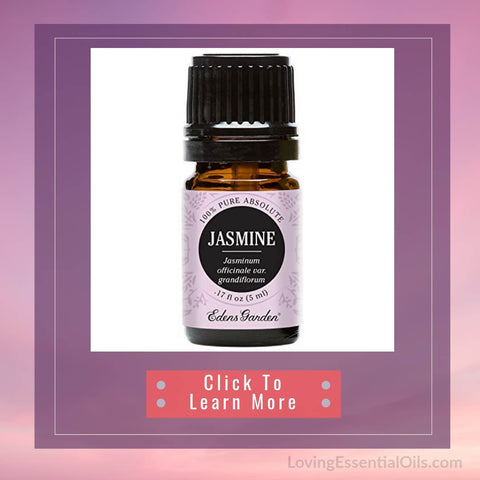
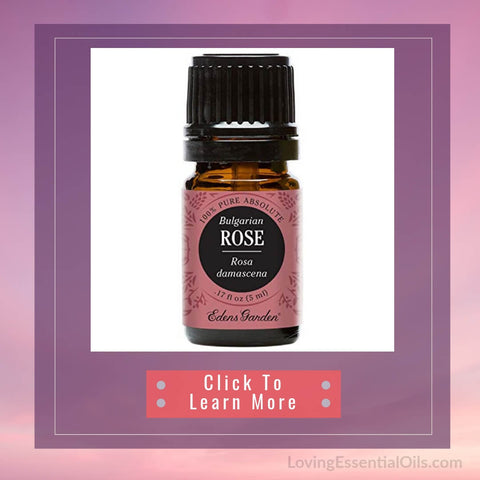
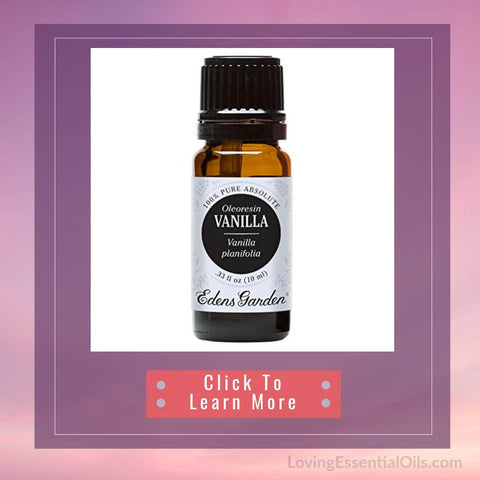
There are many other absolutes available on the market, but these are the ones most commonly sold and used. Just like essential oils, absolutes have their own health, wellness, and beauty benefits and these benefits depend upon the plant material used.
Of those listed above, they’re all great for emotional applications and can all safely be used in any aromatherapy application.
Share on Pinterest
31 PC Deluxe Essential Oils Kit: Aromatherapy Supplies

$ 39.99
NEWLY UPDATED 31 PC Deluxe Essential Oils Kit! Jars added and a BONUS accessories pack. Aromatherapy supplies include a variety of tools needed for making DIY products with your essential oils. Use this kit to make roll on blends, inhaler… Read More