

Table of Contents
There is something special about opening a bottle of lavender or peppermint and taking that first breath. The scent hits you, and suddenly, you feel a shift. Maybe your shoulders drop a little, or your mind feels slightly sharper. I remember the first time I really understood how potent these bottles were, and the true balance of essential oil benefits vs risks.
As a nurse and aromatherapist, I have stood on both sides of the wellness fence. I have seen how these concentrated plant extracts can support sleep and ease stress in a clinical setting. I have also seen what happens when people use them without respect for their power.
It is easy to assume that "natural" means "harmless," but that is not always the case. Understanding the balance between the benefits and the risks is the best way to use essential oils effectively.
What Are Essential Oils?
At their core, essential oils are highly concentrated volatile aromatic compounds found in plants. "Volatile" just means they evaporate quickly at room temperature, which is why you can smell them so easily.
These aren't simple plant juices. They are the defense mechanisms of the plant, protecting it from pests and disease, or playing a role in pollination. When we bottle them, we are capturing that biological activity in a very strong form.
The Science Behind Essential Oil Extraction
Getting the oil out of the plant material requires specific methods, and the method often dictates the chemistry of the final oil.
- Steam Distillation: This is the most common method for plants like lavender and peppermint. Steam passes through the plant material, breaking open the oil sacs. The steam carries the oil into a condenser where it cools and turns back into water. Oil and water don't mix, so the oil floats to the top and gets separated.
- Cold Pressing: If you have ever peeled an orange and seen the spray of zest, you have witnessed cold pressing. This method is used almost exclusively for citrus oils (like lemon, lime, and bergamot) to preserve their fresh, bright scent without heat damage.
- CO2 Extraction: This is a newer, cleaner method using carbon dioxide under pressure. It pulls out heavy plant components that steam might miss, creating an oil that smells very close to the living plant.
- Solvent Extraction: Delicate flowers like jasmine or rose petals cannot survive the heat of steam. Instead, a solvent pulls the oils out. These are technically called "absolutes" rather than essential oils, though they are used similarly.
Understanding Concentration and Potency
It may be hard to wrap your head around just how strong these substances are. To make a single 15ml bottle of lemon essential oil, it takes about 75 lemons.
For rose oil, the numbers are even more staggering, it can take thousands of pounds of petals to produce a small amount of oil. This is the main reason true rose essential oil is so expensive.
A single drop goes a long way because they are so concentrated. Using them without dilution is like taking 50 cups of herbal tea and trying to drink them all at once. It overwhelms the system.
Types of Essential Oils and Their Sources
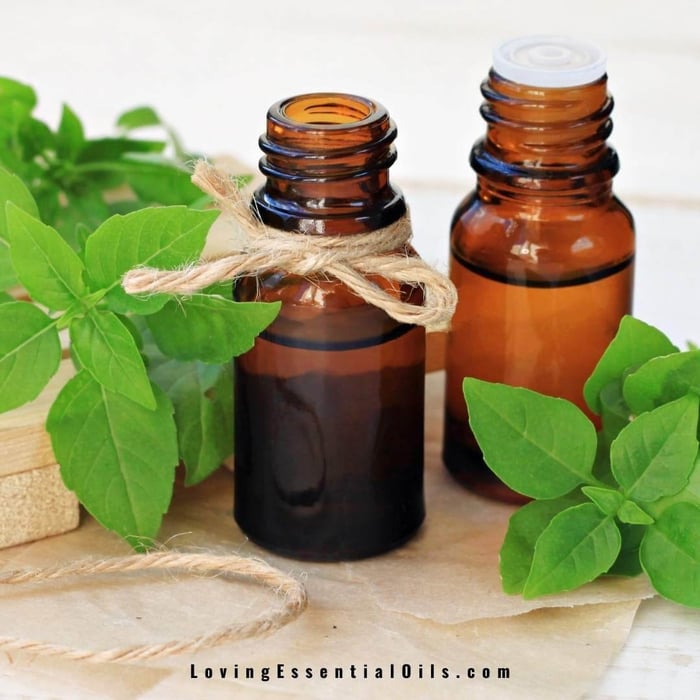
We categorize oils based on the part of the plant they come from, which often gives us a clue about their effect.
- Floral (Flowers): Oils like Lavender, Ylang Ylang, and Rose. These are often calming and skin-soothing.
- Herbal (Leaves): Peppermint, Rosemary, and Basil. These tend to be stimulating and good for respiratory support.
- Woody (Roots/Bark): Cedarwood, Sandalwood, and Vetiver. These are grounding and stabilizing.
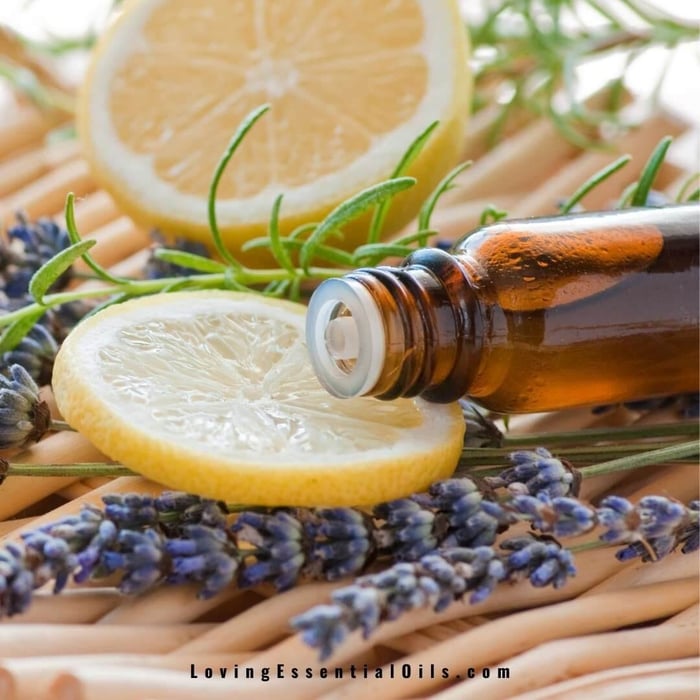
- Citrus (Rind): Lemon, Grapefruit, and Orange. These are uplifting and great for cleaning.
The Therapeutic Essential Oil Benefits
Research supports many of the traditional uses of aromatics, specifically regarding how they interact with our brain and body.
Aromatherapy for Emotional Wellness
When you inhale an essential oil, the odor molecules travel up the nose to the olfactory bulb. This is directly connected to the limbic system, the part of the brain that manages emotion and memory. This is why a specific smell can instantly bring back a childhood memory or make you feel safe.
For example, studies suggest that bergamot and lavender can lower cortisol levels and heart rate, helping the body move out of "fight or flight" mode.
Sleep Support and Relaxation
One of the most common reasons people turn to oils is sleep. I often recommend a simple routine to clients who struggle to wind down. Oils like Roman Chamomile and Cedarwood are heavy in esters and sesquiterpenes. These chemical components known for their sedative properties.
Diffusing them 30 minutes before bed creates a sensory cue for your brain that it is time to rest.
Physical Wellness and Natural Remedies
Beyond mood, these oils have physical applications.
- Muscle Tension: Oils rich in menthol, like Peppermint, create a cooling sensation that distracts from pain and increases blood flow to sore muscles.
- Headaches: A diluted swipe of peppermint across the temples (avoiding the eyes!) can ease tension headaches.
- Respiratory Support: Eucalyptus contains 1,8-cineole, which helps clear mucus and expand the airways.
- Digestive Issues: Peppermint and Ginger are go-to options for soothing a queasy stomach. Massaging a diluted blend onto your abdomen can help relieve bloating and nausea.
Natural Cleaning and Household Applications
You can reduce the toxic load in your home by swapping harsh chemicals for plant-based options. Lemon and Tea Tree (Melaleuca) oils have documented antibacterial and antiviral properties.
Adding them to vinegar and water makes an effective surface cleaner that smells fresh without the synthetic fragrance headache.
Understanding Essential Oil Risks
While the essential oil benefits are real, the risks are too. Safety is often overlooked in casual conversation, but as a nurse, I have to be clear: these are potent chemical agents.
Skin Reactions and Sensitization
The most common issue I see is skin irritation.
- Contact Dermatitis: This is an immediate red, itchy rash where the oil touched the skin. It usually happens because the oil wasn't diluted, or diluted well enough.
- Sensitization: This is trickier. It happens over time. If you use lavender undiluted every day for months, your body might decide it is an allergen. Once you are sensitized, you may never be able to use that oil again without a reaction.
Phototoxic Essential Oils and Sun Safety
Certain oils, mostly citrus, contain compounds called furanocoumarins. These react with UV light. If you apply cold pressed Bergamot or Lime to your skin and then go out in the sun, you can end up with severe burns or blistering.
This reaction can happen up to 12-24 hours after application. Read more about phototoxic essential oils and sun safety.
Toxicity Risks from Ingestion
There is a dangerous trend of adding oils to water and drinking them. Please be careful here. Oil and water do not mix. The oil floats on top and hits your delicate mucous membranes at full strength. Over time, or in high doses, this can cause esophageal burns or liver stress.
Internal use should only happen under the supervision of a clinical professional who understands your medical history.
Respiratory Irritation and Overexposure
Diffusing is generally safe, but you can have too much of a good thing. Running a diffuser 24/7 can irritate your lungs and overwhelm your nervous system. Read more about how long to diffuse essential oils.
If you start to feel a headache, nausea, or grogginess while diffusing, turn it off and open a window.
Essential Oil Safety Guidelines
Using oils safely isn't difficult; it just requires following some basic protocols.
Dilution Ratios and Carrier Oil Basics
Ideally, you should always dilute essential oils in a carrier oil (like jojoba, coconut, or almond oil) before putting them on your skin.
- 1% Dilution: For children, elderly skin, or facial application. (Approx. 3 drops of essential oil per tablespoon of carrier oil).
- 2-3% Dilution: For general daily use on adults. (Approx. 6-9 drops per tablespoon).
- 5% Dilution: For short-term use on a specific area, like a sore muscle (Approx. 15 drops per tablespoon).
Get our 31 Piece Essential Oil Kit with blending bottles and accessories!
31 PC Deluxe Essential Oils Kit: Aromatherapy Supplies

$ 39.99
NEWLY UPDATED 31 PC Deluxe Essential Oils Kit! Jars added and a BONUS accessories pack. Aromatherapy supplies include a variety of tools needed for making DIY products with your essential oils. Use this kit to make roll on blends, inhaler… Read More
Patch Testing and Allergy Prevention
Before slathering a new blend on your arm, do a patch test. Apply a small amount of diluted oil to the inside of your elbow and wait 24 hours. If there is no redness or itching, you are likely good to go. Doing this limits the risk and ensures you get to experience essential oil benefits.
Safe Storage and Shelf Life
Oils oxidize over time. When oxygen gets into the bottle, it changes the chemistry, making the oil less effective and more likely to irritate your skin. Keep your bottles tightly capped, away from direct sunlight, and in a cool place. Citrus oils expire the fastest (usually within a year), while heavier oils like Patchouli can last for years.
Special Populations and Contraindications
Bodies handle chemistry differently depending on age and health status.
Essential Oil Safety for Pregnancy and Nursing
During pregnancy, everything you use affects the baby. Some oils, like Clary Sage and Wintergreen, should be avoided as they can stimulate uterine contractions or affect hormone levels. Gentle oils like Lavender and Sweet Orange are generally considered safer options after the first trimester, but always check with your midwife or doctor.
Using Essential Oils Safely with Children
Kids have smaller organs and thinner skin. What is safe for you might be toxic for them.
- Under 2 years old: Stick to hydrosols (flower waters) rather than essential oils.
- Young children: Use very low dilutions (0.5% - 1%).
- Avoid: Peppermint and Eucalyptus for young children (under 6 or 10 depending on the specific chemotype), as the high menthol content can actually slow down their breathing.
Pet Safety and Essential Oils
Our furry friends metabolize things differently. Cats, in particular, lack a specific liver enzyme needed to break down certain compounds found in oils like Tea Tree and Peppermint. Diffusing these around cats and birds can be toxic.
Always leave a door open so your pet can leave the room if the scent bothers them. Read more about it at ASPCA.
How to Use Essential Oils Safely
There are the main ways we use these plant extracts, aromatically and topically. Here two favorite methods to enjoy essential oil benefits, diffusing and roller bottle application.
Diffusion Methods and Best Practices
Ultrasonic diffusers use water and vibration to create a fine mist. This is the most popular method.
- Drops: 3-5 drops are usually enough for a standard room.
- Timing: Diffuse for 30-60 minutes, then turn it off for an hour. This intermittent schedule is safer and actually more effective for your body than constant exposure.
Topical Application Techniques for Roll Ons
For physical issues like skin dryness or muscle pain, topical use is best.
- Roller Bottles: These are great for convenience. Pre-mix your dilution in a glass roller and keep it in your bag.
- Targeted Locations: Roll onto specific areas of concern, like an upset belly, sore shoulder, or stiff neck.
- Pulse Points: To enjoy the aromatic and topical application benefits, try applying oils to wrists or behind ears. Doing this allows the scent to rise so you can smell it, while also entering the bloodstream.
No time to blend essential oils yourself? Try our custom essential oil roller blends, get the roller blends of your choosing!
Getting Started with Essential Oils
If you are new to this, it is easy to feel overwhelmed by the choices. You don't need 50 bottles to start.
Choosing Quality Essential Oils
The supplement industry is loosely regulated, so quality varies wildly. Look for:
- Latin Name: The bottle should list the specific plant (e.g., Lavandula angustifolia).
- Purity Statement: Look for "100% pure essential oil."
- Testing: Reputable companies provide GC/MS (Gas Chromatography/Mass Spectrometry) test results. This report shows you exactly what chemical components are in the bottle.
Essential Oils for Beginners
Build your kit slowly. I recommend starting with these three essential oils, then slowly add in a new bottle. Allow yourself time to learn what you like and how your body responds to each new essential oil you add to your collection.
- Lavender: The "Swiss Army Knife" of oils. Good for skin, sleep, and stress.
- Lemon: Great for cleaning and mood lifting (watch the sun exposure!).
- Peppermint: Excellent for focus, headaches, and tummy troubles.
By respecting essential oils potency and following safety guidelines, you can integrate them into your life in a way that truly supports your health.References:
- Tisserand Institute Safety Guidelines: https://tisserandinstitute.org/safety-guidelines/
- National Association for Holistic Aromatherapy Safety: https://naha.org/explore-aromatherapy/safety/
- Johns Hopkins Medicine: Do Essential Oils Really Work? https://www.hopkinsmedicine.org/health/wellness-and-prevention/aromatherapy-do-essential-oils-really-work