

Table of Contents
- What Are the Best Essential Oils for Respiratory Health and Clear Breathing?
- Which Essential Oils Help Open Airways and Relieve Congestion?
- How Do You Use Essential Oils for Deep Breathing?
- What Are Effective DIY Essential Oil Inhaler Recipes for Breathing?
- How Can Essential Oils Enhance Deep Breathing and Breathwork Techniques?
- What Are the Benefits of Deep Breathing with Essential Oils for Stress, Focus, and Lung Health?
- Where Can You Find Quality Essential Oils for Deep Breathing Aromatherapy?
- Frequently Asked Questions
- Breathing Support with Aromatherapy
Pairing deep breathing with aromatherapy can help clear airways and calm the nervous system. Using essential oils for deep breathing supports respiratory health and more focused breathwork.
Active compounds like 1,8‑cineole, menthol, and linalool create decongestant or calming effects. Matching specific blends with breath techniques often brings better results.
Aromatherapy offers a non-pharmacological tool for easing symptoms like nasal congestion and shallow breathing. Below, you’ll find clear explanations of oil chemistry and safe application methods.
These include diffusing, inhalers, topical use, and steam inhalation. Simple DIY inhaler and diffuser recipes are provided for diaphragmatic breathing, box breathing, and 4‑7‑8 relaxation.
You’ll also find guidance for pre-exercise breathwork. I’ll share how to choose quality essential oil supply kit options from Loving Essential Oils, so you can start making your own inhalers or roller blends anytime.
What Are the Best Essential Oils for Respiratory Health and Clear Breathing?
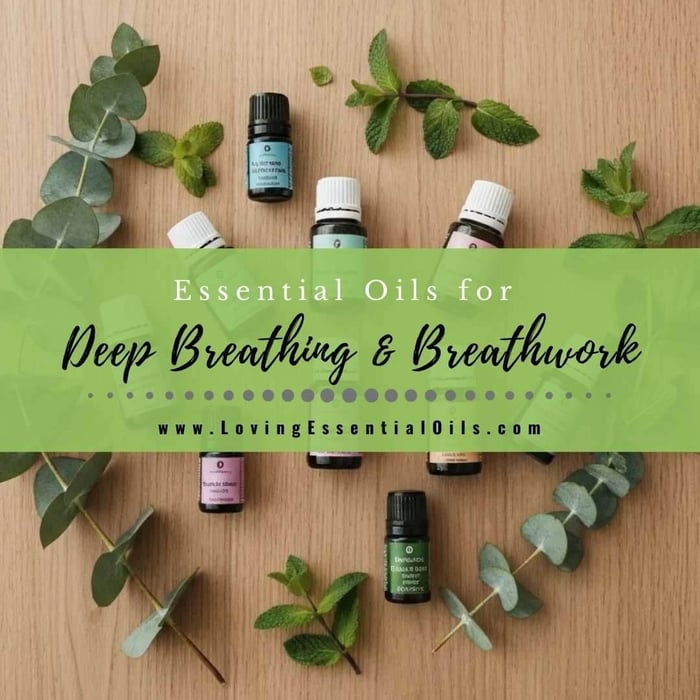
Essential oils that support breathing work through volatile molecules that loosen mucus, relax airway tissues, or soothe the nervous system, encouraging better breathing patterns. Common active components include 1,8‑cineole (eucalyptol), menthol, linalool, alpha‑pinene, and camphor.
Each links to expectoration, a cooling sensory effect, or anxiolytic actions. Choosing the right oil for a specific symptom offers practical relief when used by diffusion, personal inhaler, roll-on blends, or steam inhalation.
Which Essential Oils Help Open Airways and Relieve Congestion?
Essential oils that open airways and relieve congestion contain cineole, menthol, or camphor. These molecules help clear mucus, relax the chest, and create a cooling sensation in the airways.
Here is a list of top picks and their concise benefits to help you decide fast:
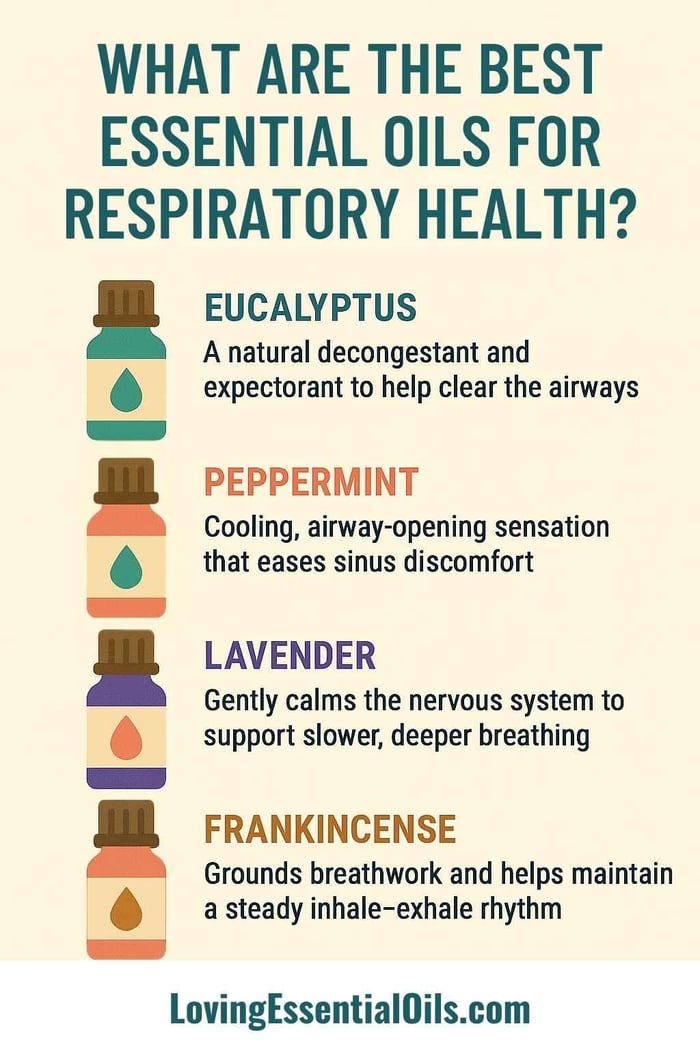
Eucalyptus
- Key Chemical Compounds: 1,8‑cineole (eucalyptol), alpha‑pinene
- Therapeutic Benefit: Decongestant and expectorant; helps loosen mucus and supports clearer airways.
Peppermint (Mentha × piperita)
- Key Chemical Compounds: Menthol, menthone
- Therapeutic Benefit: Cooling, airway‑opening sensation; eases sinus pressure and increases perceived airflow.
Lavender (Lavandula angustifolia)
- Key Chemical Compounds: Linalool, linalyl acetate
- Therapeutic Benefit: Calming and anxiolytic; supports slower, deeper breathing during relaxation.
Frankincense
- Key Chemical Compounds: Alpha‑pinene, boswellic acid precursors
- Therapeutic Benefit: Grounding aroma that supports focused breathwork and helps maintain a steady inhale–exhale rhythm.
Tea Tree
- Key Chemical Compounds: Terpinen‑4‑ol, alpha‑terpineol
- Therapeutic Benefit: Mild antimicrobial and mucosal comfort properties for nasal hygiene support.
Safety is important: Avoid menthol and 1,8‑cineole (eucalyptol) around small children. Use lower concentrations around pets, and consult a healthcare provider if you have chronic respiratory disease.
How Do You Use Essential Oils for Deep Breathing?
Select the application method based on the level of support you need and the speed you desire. Here are some options:
- Steam Inhalation: Steam inhalation provides a short, intense boost to mucus clearance.
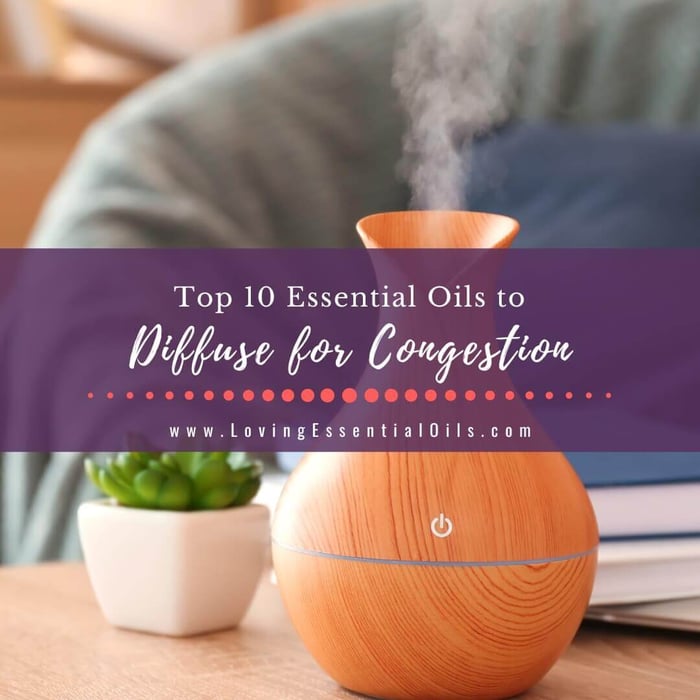
- Diffusing: Diffusing releases aromatic molecules throughout a room to promote a steady mood and support the airways. Use 4-8 drops in a diffuser for 15–30 minutes, ventilate the room, and avoid direct exposure to infants or pets.
- Personal Inhaler: A personal inhaler or direct inhalation delivers concentrated aroma for quick, on-demand relief during breathwork or commuting. Add 6–15 drops to the aromatherapy inhaler wick and assemble. Inhale for 3–5 deep breaths as needed, and refresh the wick every 4 weeks or when the scent fades.
- Topical (chest rub): Topical application offers both inhaled aroma and tactile input to reinforce deep breathing and relaxation for longer-lasting effects. Dilute to 1–2% in carrier oil (6–12 drops per 30 mL). Patch test before broad use and avoid contact with the eyes.
Understanding each method’s steps, dosage, and safety helps you match an oil and application to your needs.
How to Safely Use Essential Oils for Breathing Support?
Safe aromatherapy starts with correct dilution and patch testing. Be mindful of sensitive groups like children, pregnant people, and those with asthma.
For topical chest work in adults, use a 1–2% dilution (about 6–12 drops per 30 mL carrier oil). Children and sensitive individuals need lower dilutions and shorter exposures.
Always do a small patch test before using it more broadly. Stop use if you notice irritation or if your breathing worsens.
If you have asthma or a severe respiratory condition, check with a healthcare professional before using inhaled essential oils.
What Are Effective DIY Essential Oil Inhaler Recipes for Breathing?
DIY inhalers are portable tools for congestion relief, relaxation, or focus. They pair well with breathwork routines like box breathing or diaphragmatic practice.
Personal inhalers concentrate essential oil aroma on a wick inside a tube. This creates immediate scent cues that help guide your breathing.
Here are practical inhaler recipes, the supplies you’ll need, and the breathwork routines they support.
Congestion Clear Inhaler
This blend opens airways for diaphragmatic breaths during pre-exercise or sinus relief.
- 6 drops Eucalyptus
- 4 drops Peppermint
- Inhaler tube + wick
Add drops of eucalyptus and peppermint onto the wick. Insert the wick into the tube, cap the inhaler, and inhale during slow, deep breaths.
Relaxation Breath Inhaler
This blend calms anxiety to support 4‑7‑8 breathing for sleep or stress reduction.
- 7 drops Lavender
- 5 drops Frankincense
- Inhaler tube + wick
Add drops of lavender and frankincense to the wick, and use during 4‑7‑8 breathing or before sleep.
Focus & Clarity Inhaler
This blend sharpens attention for box breathing during work or study.
- 4 drops Rosemary
- 4 drops Lemon
- 4 drops Peppermint
- Inhaler tube + wick
How to Create Inhalers Using the 31 PC Deluxe Essential Oils Kit?
A well-stocked kit makes inhaler assembly quick and convenient. You’ll have inhaler supplies ready for different breathwork goals.
Store inhalers in a cool, dark place. Replace wicks every 4 weeks or when the scent fades, and label your inhalers to avoid confusion between blends.
Loving Essential Oils offers a 31 PC Deluxe Essential Oils Kit. This kit includes popular roller bottles and inhaler supplies.
It supports these recipes and makes DIY aromatherapy simple and accessible at home.
Which Essential Oil Blends Support Stress Reduction and Lung Function?
Stress-reducing blends use calming terpenes like linalool and pinene. Lung-support blends focus on cineole and menthol for mucus clearance and sensory relief.
- For stress, try a diffuser blend: Lavender (3 drops), Frankincense (2 drops), and Lemon (1 drop) to help with pre-sleep relaxation.
- For lung support, use an inhaler with Eucalyptus (5 drops), Peppermint (4 drops), and Rosemary (3 drops) for short, effective sessions before exercise.
How Can Essential Oils Enhance Deep Breathing and Breathwork Techniques?
Essential oils can amplify breathwork by linking scent-driven neural responses to breathing mechanics. Calming aromas lower stress and lengthen exhales, while stimulating scents boost alertness and deepen inhales.
Choose calming oils for relaxation practices and stimulating oils for energizing or lung-opening sessions. Short routines with 1–3 minutes of inhalation of a chosen blend, followed by a breath technique, help train your nervous system.
Below, you’ll find specific essential oil pairings you can use with diaphragmatic, box, 4‑7‑8, and alternate nostril breathing.
What Essential Oils Pair Best with Diaphragmatic and Box Breathing?
For diaphragmatic breathing, choose grounding, calming oils like lavender or frankincense to support longer exhales and relaxation. Try 2 minutes of inhaler-guided diaphragmatic breaths with lavender: inhale the aroma for 3–4 seconds, expand the belly for 4–6 seconds, then exhale for 6–8 seconds while releasing tension.
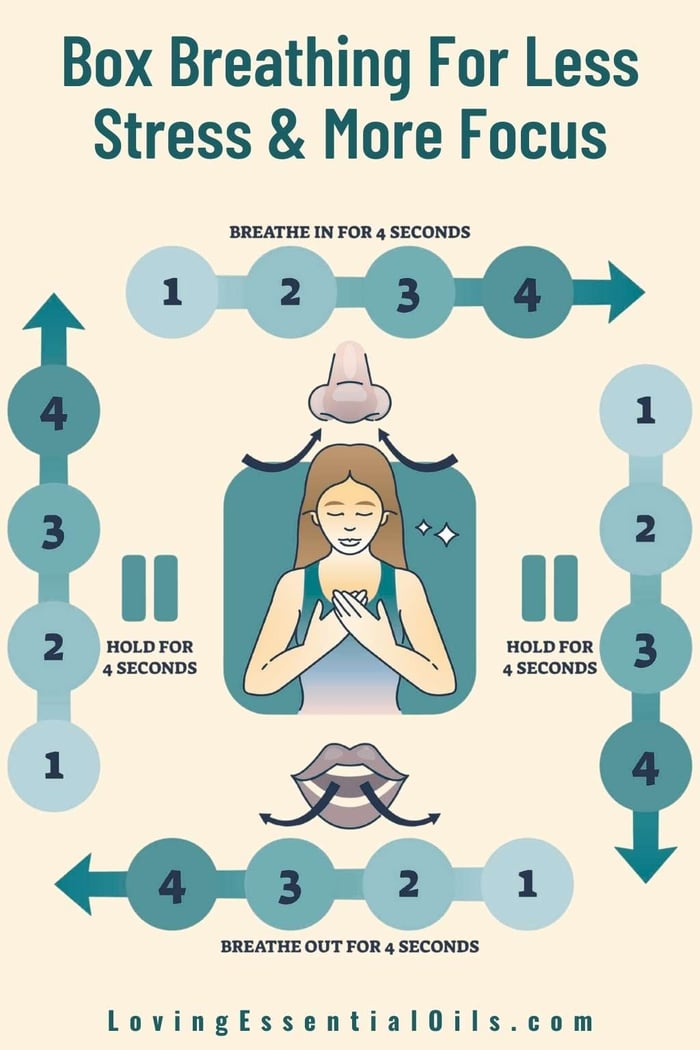
For box breathing, which improves focus and rhythm, use clean, stimulating scents such as rosemary or lemon. Take four counts per phase and inhale a focused scent once at the start of each cycle to re-anchor concentration.
How to Use Essential Oils with 4-7-8 and Alternate Nostril Breathing for Optimal Results?
Pair 4‑7‑8 breathing with soft, calming oils like lavender plus a drop of frankincense. Inhale the aroma as you count the initial 4, hold for 7, and exhale for 8 while picturing breath moving through the chest and diaphragm.
For alternate nostril breathing, choose a clear, balancing scent such as frankincense or rosemary. Take a gentle inhalation through the open nostril while briefly smelling the oil, then switch nostrils as prescribed to support balance and nasal openness.
Use a personal inhaler or a drop on a tissue during these practices to keep aroma intensity controlled and consistent.
What Are the Benefits of Deep Breathing with Essential Oils for Stress, Focus, and Lung Health?
Combining deep breathing with essential oils offers three main benefits. These include mood modulation and relaxation through scent, easier airway clearance from certain sensory compounds, and possible supportive effects from specific terpenes.
Olfactory stimulation affects brain centers that regulate stress and the nervous system. Compounds like 1,8-cineole and menthol can help modify mucus or provide noticeable sensory effects.
This approach often helps improve focus during box breathing and speeds relaxation with 4-7-8 breathing. It can also reduce congestion when using inhalers.
Essential oils do not replace medical treatment for respiratory disease.
Essential Oils for Respiratory Tract Infections and Inflammation
Essential oils in the treatment of respiratory tract diseases: their role in bacterial infections and anti-inflammatory action — a 2015 review summarizing relevant findingsHow Do Essential Oils Reduce Stress and Anxiety During Breathwork?
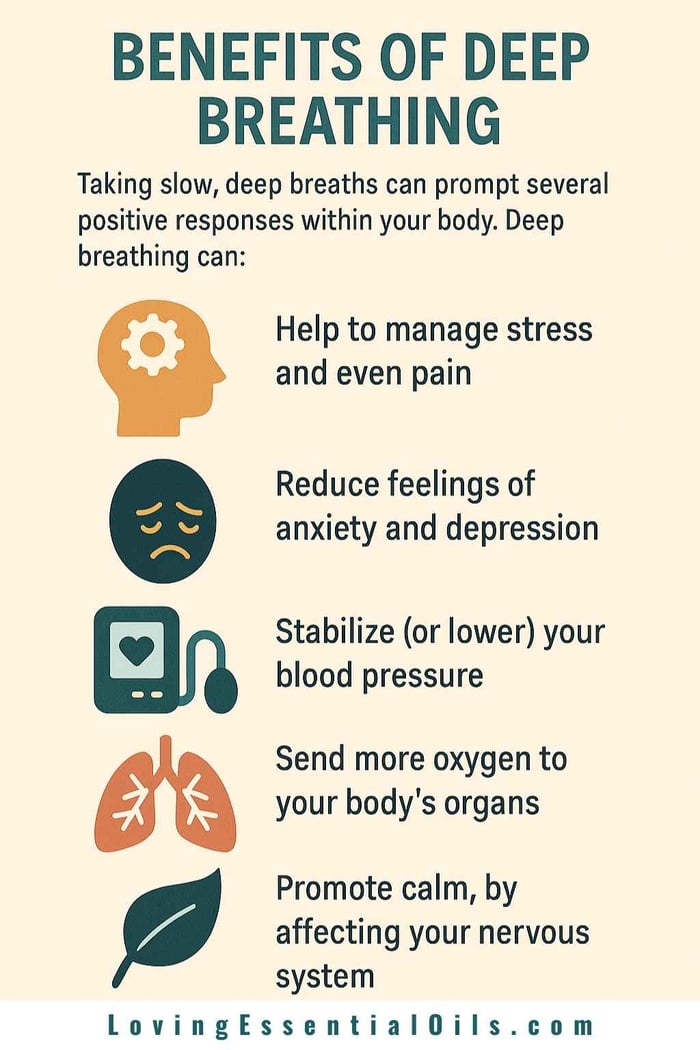
Essential oils reduce stress during breathwork by activating olfactory receptors connected to brain regions like the amygdala and hypothalamus. These areas help regulate heart rate, breathing, and cortisol levels.
Calming molecules such as linalool in lavender support slower, deeper breathing and a stronger relaxation response. Inhaling a calming blend before and during breath cycles cues relaxation and encourages longer exhales.
How Do Essential Oils Improve Lung Capacity and Respiratory Function?
Certain essential oil compounds, including 1,8-cineole and alpha-pinene, can thin mucus, open airways, and reduce inflammation. Cineole may reduce mucus thickness and calm airway inflammation, while menthol provides a cooling sensation that helps you feel like you are breathing more easily.
Oils can ease symptoms and improve comfort during breathwork. However, they do not replace prescribed therapies for asthma, COPD, or infections.
If you have severe or persistent breathing difficulty, seek medical evaluation and use aromatherapy as supportive care only.
Where Can You Find Quality Essential Oils for Deep Breathing Aromatherapy?
Look for purity indicators such as clear botanical names, available GC/MS testing, and transparent extraction methods when choosing essential oils. Use the checklist below when evaluating oils or kits.
- Botanical Name Listed: Check for the Latin name (e.g., Mentha piperita) to verify the species.
- GC/MS Testing Mentioned: Select products with gas chromatography reports that verify purity.
- Clear Extraction Method: Ensure the label states if the oil is steam-distilled or cold-pressed.
What Does the 31 PC Deluxe Essential Oils Kit Include for DIY Breathing Remedies?
The 31 PC Deluxe Essential Oils Kit provides a wide selection of commonly used supplies for making inhalers, roller blends, skincare serums, and diffuser mixes. The kit includes basic recipes to help you get started.
With this kit, you can assemble congestion inhalers, relaxation scent sticks, and small diffuser blends for your breathwork sessions. It’s a helpful way to begin consistent aromatherapy-supported breathwork at home.
31 PC Deluxe Essential Oils Kit: Aromatherapy Supplies

$ 39.99
NEWLY UPDATED 31 PC Deluxe Essential Oils Kit! Jars added and a BONUS accessories pack. Aromatherapy supplies include a variety of tools needed for making DIY products with your essential oils. Use this kit to make roll on blends, inhaler… Read More
How to Choose Individual Essential Oils for Personalized Respiratory Support?
Pick oils based on your symptoms, scent preferences, and safety needs. Choose cineole-rich eucalyptus for mucus and chest congestion, peppermint for sinus cooling and perceived airflow, lavender and frankincense for relaxation, and rosemary or lemon for focus and clarity.
Start with single-oil trials using a personal inhaler or a low diffuser dose to confirm tolerance. Layer blends slowly to test synergy and avoid overwhelming your sense of smell.
Consider age, pregnancy, and respiratory conditions. Use lower dilutions and shorter exposures for sensitive groups.
Track which blends work best with your breathwork routine.
- Practical next steps: Keep one inhaler for congestion and one for relaxation on hand.
- Testing protocol: Patch test topical blends and trial inhalers for tolerance before regular use.
- Routine integration: Pair calming blends with 4-7-8 at night and focus blends with box breathing during work sessions.
Frequently Asked Questions
Which essential oil is strongest for severe congestion?
Eucalyptus oil is considered the strongest option for congestion because of its high 1,8-cineole content. This compound acts as an expectorant and helps loosen mucus.
Peppermint is also a strong choice. Its menthol content provides a cooling sensation that helps airways feel more open.
Is it safe to put essential oils directly in my nose for breathing?
No, you should never put essential oils directly inside your nose or nostrils. Undiluted essential oils can damage sensitive mucous membranes and cause burning or long-term irritation.
Instead, use a personal inhaler stick where the oil is on a wick inside the tube, or dilute the oil significantly for a dab on the skin under the nose (not inside).
Can I use essential oils for respiratory support if I have asthma?
You must use caution when using essential oils with asthma. Some oils like frankincense or lavender may be soothing, but strong vapors from eucalyptus or peppermint can trigger an asthma attack in some individuals.
Always consult your healthcare provider before introducing new aromas. Start with very low diffusion amounts to test your tolerance.
How often should I use an essential oil inhaler for breathing exercises?
You can use an essential oil inhaler for breathing exercises 2 to 3 times a day for short periods. The inhaler delivers a concentrated scent without continuously adding oil to the air, so it is generally safe for repeated short-term use.
Listen to your body. If you feel a headache or nausea, take a break.
Breathing Support with Aromatherapy
Using essential oils with intentional breathing offers a simple way to support respiratory comfort. These oils can also help reduce stress. Choose the right oils and apply them safely to notice relief more quickly. Building breathwork habits becomes easier with consistent practice.
Start with a simple inhaler recipe and pair it with a breathing technique. Let the scent serve as your cue to improve your well‑being. Gather practical supplies like inhaler tubes, roll-ons, and dropper bottles. These tools make DIY inhaler making simple and help you focus on breathwork.
At Loving Essential Oils, I offer education and product options to support your aromatherapy journey. Explore DIY recipes, diffuser blends, and guided kits designed for safe and effective use at home.