

Table of Contents
- Understanding Carrier Oils for Roller Recipes
- Fractionated Coconut Oil vs Jojoba Oil: Core Differences
- Skin Care Benefits in Roller Applications
- Blending with Essential Oils: Choosing Your Base
- Practical Guide: Using Roller Bottles
- Frequently Asked Questions
- What are the benefits of using fractionated coconut oil in roller recipes?
- What properties of jojoba oil make it suitable as a carrier oil for rollerball recipes?
- What are the best practices for diluting essential oils with jojoba oil in a 10ml roller bottle?
- How does skin type influence the choice between fractionated coconut oil and jojoba oil?
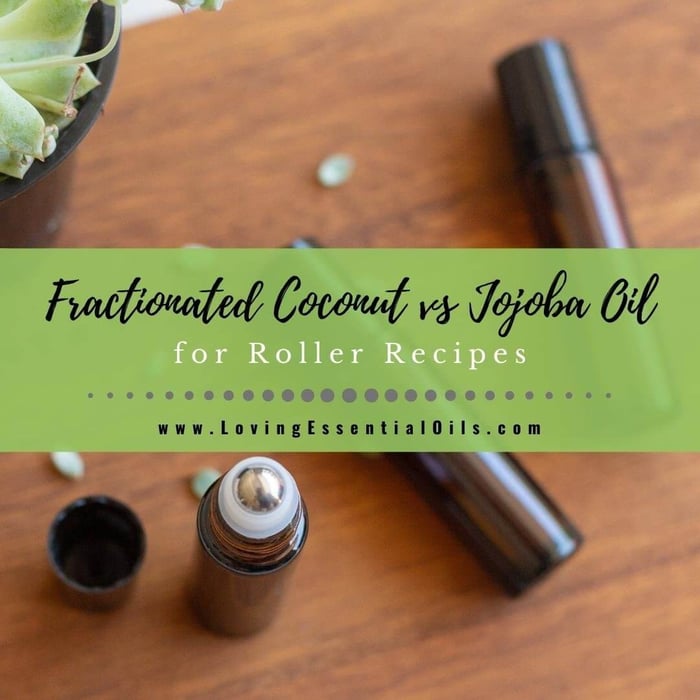
When choosing between fractionated coconut oil and jojoba oil for your roller recipes, it helps to know their main differences. Both oils work well as carrier bases for essential oils, but your choice depends on the feel you want and your skin type.
If you prefer a very light, non-greasy feel, fractionated coconut oil is best. If you want something that deeply nourishes and balances skin, jojoba oil is a great pick. You can also blend them or switch depending on the season or your skin’s needs.
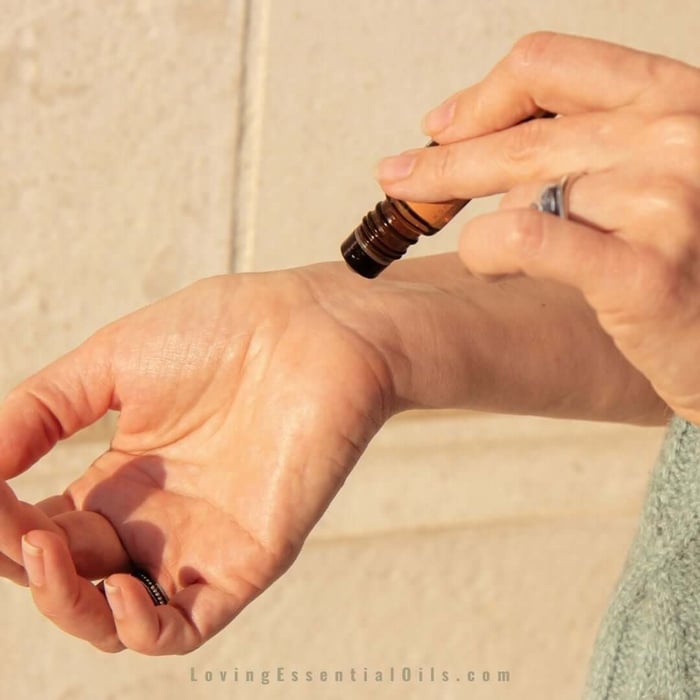
Using roller bottles makes applying these oils easy and mess-free. You can add your favorite essential oils to create personalized blends and keep your skin safe by diluting them properly.
Key Takeaways
- Choose a carrier oil based on your skin’s needs and desired texture.
- Both fractionated coconut and jojoba oils blend well with essential oils for roller recipes.
- Fractionated coconut oil is light, absorbs quickly, and stays liquid at room temperature, making it great for smooth application.
- Jojoba oil closely mimics your skin’s natural oils and offers gentle moisturizing without feeling greasy.
- Use roller bottles for easy, safe, and mess-free application.
Understanding Carrier Oils for Roller Recipes
Choosing the right carrier oil shapes how your roller blend feels on your skin and how well it delivers essential oils. You want oils that stay liquid, absorb nicely, and support skin health.
Knowing why you dilute essential oils and which oils work best helps you create safe, smooth roller recipes.
What Are Carrier Oils?
Carrier oils are plant oils used to dilute essential oils before applying them to your skin. They “carry” the essential oils safely, helping prevent irritation or reactions.
Carrier oils don’t evaporate quickly, so they hold the essential oils longer. This allows for greater absorption and makes application easier. You’ll find many options like jojoba oil, coconut oil, sweet almond oil, grapeseed oil, and rosehip seed oil.
Fractionated coconut oil remains liquid at room temperature and is processed to remove the solid parts. This makes it perfect for roller bottles since it won’t harden or clog the roller ball.
Avoid solid forms like virgin coconut oil because they can thicken and cause problems with your roller.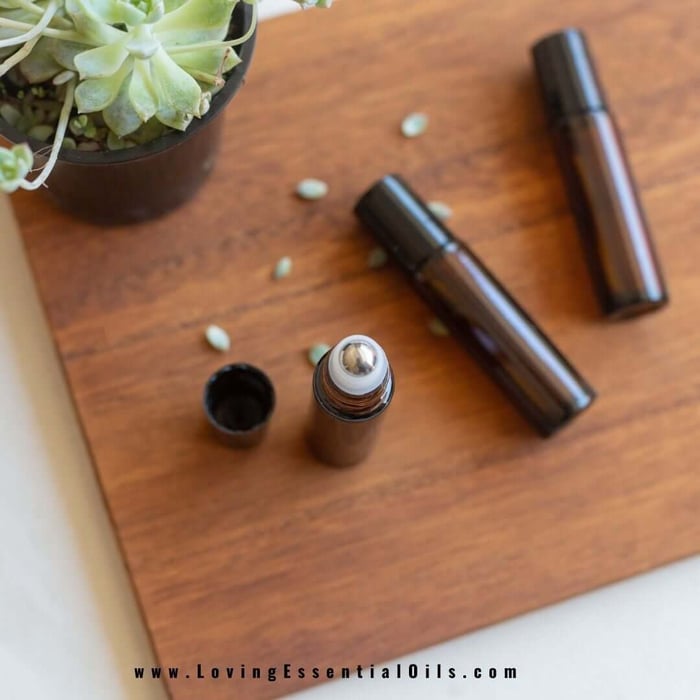
Why Dilution Matters
Essential oils are powerful and often too strong to apply directly. Dilution means mixing essential oils with carrier oils to lower the concentration. This reduces the chance of skin irritation and makes your blend safer for topical use.
Dilution also helps your skin absorb essential oils more efficiently and allows them to last longer. With roller bottles, a common ratio for adults is 2-5% essential oils in a carrier oil base. That equates to about 4-10 drops of essential oil per 10 ml of carrier oil.
Always start with lower amounts if you have sensitive skin and do a patch test.
Popular Carrier Oils for Rollers
Here are some great carrier oils for your roller recipes and the benefits they offer:
- Fractionated Coconut Oil: Light, liquid, odorless, long shelf life, moisturizes, doesn’t clog pores.
- Jojoba Oil: Liquid wax, mimics skin oils, absorbs well, balances oil production.
- Sweet Almond Oil: Mild scent, vitamin-rich, smooth texture, works well with most skin types, nourishes and softens skin.
- Grapeseed Oil: Light feeling, good for oily skin, smooth texture, tightens and tones skin.
- Rosehip Seed Oil: Slight scent, rich in vitamins, supports skin repair and glow.
- Avocado Oil: Thicker, rich in nutrients, deep hydration for dry skin.
Rosehip and avocado oils add extra skin benefits but may feel heavier. Pick what feels best for your skin and blend needs.
Fractionated Coconut Oil vs Jojoba Oil: Core Differences
Fractionated coconut oil and jojoba oil both make excellent carrier oils for roller blends. They differ in how they are produced, their texture, and how long they last.
Knowing these details will help you pick the right one for your roller recipes.
Origins and Extraction
Fractionated coconut oil starts as regular coconut oil, made from coconut meat. It goes through a process called fractionation. This means the oil is heated and separated to keep only the medium-chain triglycerides (MCTs).
These MCTs stay liquid at room temperature, so fractionated coconut oil won’t harden like regular coconut oil.
Jojoba oil is actually a wax extracted from the seeds of the jojoba plant. The seeds are cold-pressed to keep the oil pure and natural. Because jojoba oil is a wax ester, it mimics the natural oils your skin makes, which is why it feels so gentle and moisturizing.
Composition and Texture
Fractionated coconut oil is mostly made up of MCTs like caprylic and capric acids. This keeps it lightweight and thin. It absorbs quickly without feeling greasy or sticky. It stays liquid in cool weather, making it easy to use in rollers.
Jojoba oil has a thicker feel but still spreads smoothly. Since it’s a wax ester, it forms a light barrier on your skin that locks in moisture. It’s less greasy than many oils but takes a bit longer to absorb fully. This texture makes jojoba amazing if you want soothing protection without clogging pores.
| Fractionated Coconut Oil | Jojoba Oil |
|---|---|
| Medium-chain triglycerides (MCTs) | Wax esters |
| Light, thin, non-greasy texture | Slightly thicker, silky texture |
| Fast absorption | Moderate absorption |
| Always liquid | Liquid at room temperature |
Scent and Stability
Fractionated coconut oil is almost odorless. It doesn’t smell like fresh coconut because most long-chain fatty acids are removed during fractionation. This makes it a perfect neutral base that won’t change the scent of your essential oils.
Jojoba oil has a subtle, nutty aroma. It’s more noticeable than fractionated coconut oil. If you’re sensitive to scents, jojoba may influence your blend’s smell ever so slightly.
Both oils are stable and resist turning rancid for a long time, but jojoba’s natural antioxidants give it excellent shelf life without added preservatives.
Choose fractionated coconut oil when you want a super light oil with almost no smell. Pick jojoba oil if you prefer a moisturizer that feels richer and protections skin while still blending well with essential oils.
Skin Care Benefits in Roller Applications
When you use roller bottles with base oils like fractionated coconut oil or jojoba oil, you get a gentle way to nourish and soothe your skin. These oils differ in how they feel, absorb, and interact with your skin, especially if you have sensitive or acne-prone skin.
Knowing their unique traits helps you pick the best fit for your skin needs.
Suitability for Different Skin Types
Jojoba oil closely mimics your skin’s natural oils, making it great for most skin types, including oily and sensitive skin. It absorbs without leaving a greasy feel and rarely clogs pores. This means it has a low comedogenic rating, so you can use it without worrying about breakouts.
Fractionated coconut oil stays liquid and feels light but is slightly more likely to clog pores because it’s more comedogenic than jojoba. It often suits normal to dry skin best. If your skin leans oily or acne-prone, test a small patch first to avoid irritation.
Both oils work well in roller recipes, but choose jojoba if you want a non-greasy feel that fits oily or sensitive skin. Fractionated coconut oil is the better choice for deep hydration on dry skin.
Moisturizing and Absorption
Fractionated coconut oil absorbs quickly because of its small fat molecules. It glides on smoothly and creates a soft barrier that helps lock in moisture. This makes it a gentle choice for dry or rough skin patches.
Jojoba oil absorbs more slowly, closely matching your skin’s natural oils. It sinks in gently and helps balance oil production, making it a nice daily moisturizer with a lightweight feel.
When using a roller bottle, both oils deliver hydration without feeling heavy. Add essential oils like lavender or tea tree for a personalized blend. Use about 2-10 drops of essential oil per 10 ml of carrier oil for a safe, soothing roller recipe mix.
Potential Benefits for Acne-Prone Skin
Jojoba oil is often chosen for acne-prone skin because it helps regulate sebum. Since it’s similar to your skin’s oil, it can signal your skin to produce less, which may reduce clogged pores and breakouts.
Fractionated coconut oil may not suit everyone with acne-prone skin. Its comedogenic rating means it might block pores for some, but it’s less greasy than regular coconut oil. If you have mild dryness and occasional acne, you might still find it helpful.
Use jojoba in roller blends if you want a gentle approach for acne-prone skin. Always patch test and adjust your recipes as needed. Choose soothing essential oils like chamomile or sandalwood for a calming, balanced effect.
Blending with Essential Oils: Choosing Your Base
Choosing the right base oil is important for making safe, smooth, and long-lasting roller blends. The base oil carries essential oils, soothes your skin, and shapes the scent.
Deciding between fractionated coconut oil and jojoba oil depends on the texture you prefer, shelf life, and how your skin reacts.
Best Essential Oils for Roller Blends
Start with gentle, versatile essential oils that blend well with your chosen base.
- Lavender, Roman chamomile, and bergamot are favorites for their soothing aromas and skin-friendly nature.
- Peppermint, lemon, and rosemary offer a fresh twist, but use them sparingly as they can be strong, especially on sensitive skin.
- For calming blends, frankincense and cedarwood add earthy, grounding notes that pair well with jojoba.
- Orange and marjoram bring warmth and sweetness, while eucalyptus and melaleuca add a clean, herbal touch.
- Use wintergreen or ginger with care, as they can cause skin sensitivity if not diluted properly.
Compatibility with Popular Oils
Both bases mix well with most essential oils but react differently to storage and heat. Fractionated coconut oil holds aromas well and has a long shelf life. Jojoba oil also preserves scent and has a slightly nutty aroma that may shift your blend’s fragrance.
You can mix them with other carrier oils like sweet almond or avocado to further personalize your blend.
Preserving Aromas in Blends
Store your roller blends in a cool, dark place to keep aromas fresh. Essential oils lose strength when exposed to heat and light, so use amber or cobalt blue bottles.
Fractionated coconut oil helps protect delicate scents like citrus from fading quickly. Jojoba oil naturally resists oxidation, helping your blend stay fresh.
Cap bottles tightly after use and avoid frequent temperature changes. Make small batches so your blends stay bright and you can try new scents often.
Customizing for Sensitive Skin
If you have sensitive skin, jojoba oil is usually the gentlest choice. Its texture soothes dry or red areas without clogging pores. Fractionated coconut oil feels lighter and may suit warm or oily skin types.
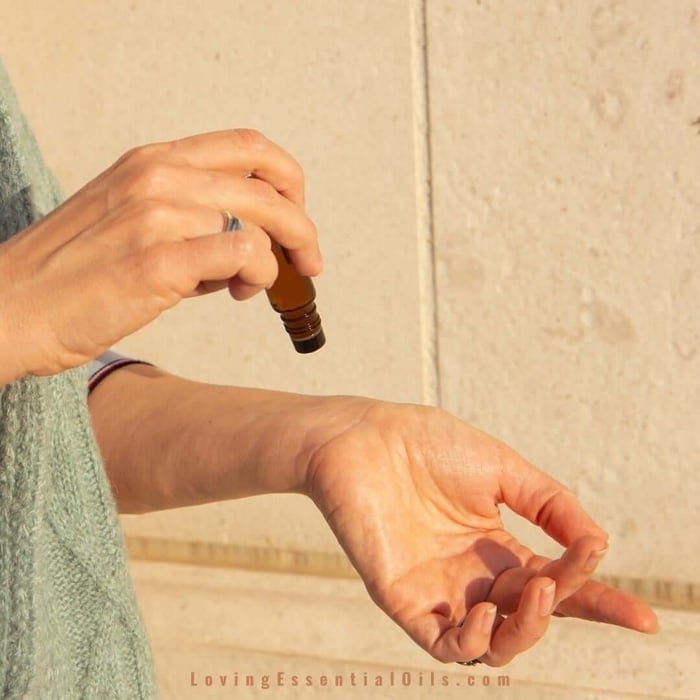
Always patch test your roller blend on the inner arm before regular use. Use lower dilution rates (1-2% essential oil) for sensitive skin. Avoid strong oils like wintergreen, peppermint, and eucalyptus on delicate areas. Roman chamomile and marjoram are soothing options for sensitive skin, helping ease redness gently.
Practical Guide: Using Roller Bottles
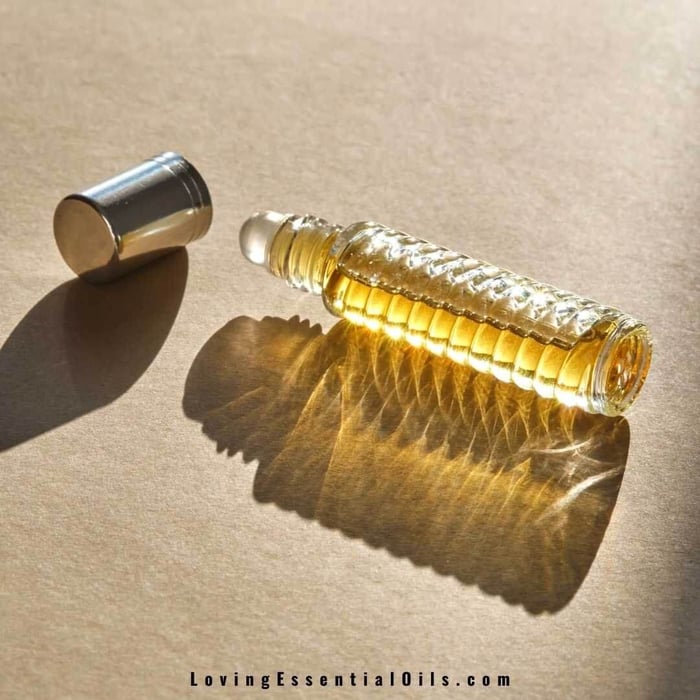
Roller bottles let you carry your favorite oils and apply them easily. Handling filling, cleaning, and blending with care helps you get the best results. Storing them properly keeps your oils fresh and safe for daily use.
Tips for Filling Roller Bottles
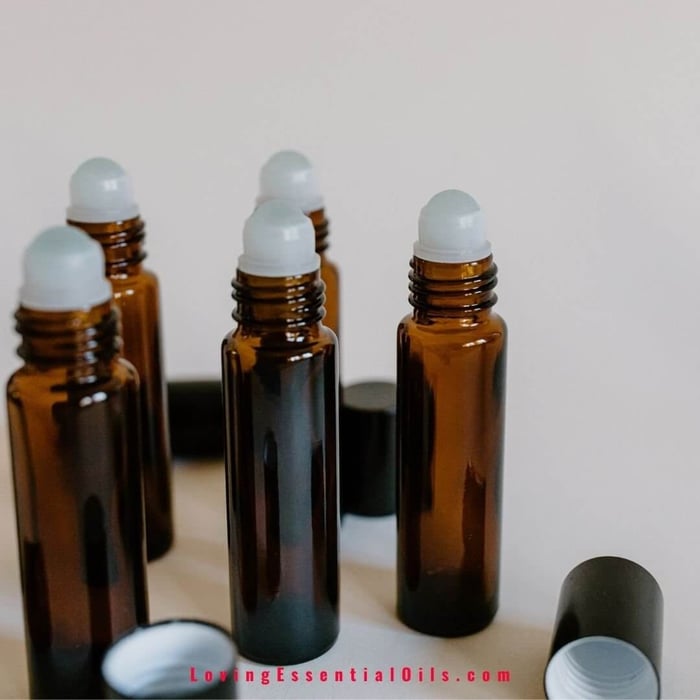
Start with clean, dry glass roller bottles. Use a small funnel or dropper to add your carrier oil and essential oils. Once the drops of essential oils are added, fill the rest of the bottle with fractionated coconut oil or jojoba oil. Leave room for the roller ball insert.
About 4-10 drops of essential oils per 10 ml bottle. Always dilute essential oils in carrier oils to protect your skin. After adding oils, insert the roller ball top firmly and evenly to avoid leaks.
Wipe any oil off the bottle neck before sealing with the cap to keep roller bottles clean and prevent drips. Label your bottles with the blend date and contents to track freshness.
Safety and Storage for Rollers
Store roller bottles in a cool, dark place away from heat and light. Glass roller bottles are best for preserving oil quality. Avoid plastic, as it may react with oils.
Keep rollers out of reach of children. Test new blends on a small skin patch before regular use to check for allergies or irritation. Pregnant or sensitive skin types should check with a healthcare provider before using certain essential oils.
Check your blends from time to time. If the oil changes color, smells off, or causes irritation, discard it. Tighten caps after each use to prevent spills and keep air out.
Common Roller Issues and Fixes
If your roller ball sticks or doesn’t roll smoothly, remove it and rinse with warm water. Let it dry completely before putting it back.
Leaks can happen if the roller ball isn’t seated tightly or if the bottle is overfilled. Remove the ball, pour out any extra oil, then press the ball back on firmly.
If your blend feels too strong, add more carrier oil. For a weak blend, you can add a couple more drops of essential oil, but stay within safe dilution limits.
Store roller bottles upright to prevent leaks and clogs. When carrying your essential oil roller blends, it is best to keep them sealed in a bag.
Creative Blending Ideas
Try combining fractionated coconut oil and jojoba oil for balanced absorption and moisture. Use fractionated coconut oil for a lighter feel and longer shelf life. Add jojoba oil for extra skin nourishment and a richer texture.
For a calming blend, pair lavender oil with fractionated coconut oil for gentle daily use. For an energizing blend, mix jojoba oil with peppermint and citrus oils.
Experiment with different scents and carrier oil ratios to suit your mood and skin type. Label each mix and enjoy creating your own aromatherapy toolkit.
Frequently Asked Questions
Choosing the right carrier oil for your roller recipes depends on how you want the oil to feel, how well it mixes with essential oils, and your skin’s needs. Both fractionated coconut oil and jojoba oil offer unique benefits for safe, smooth blends.
What are the benefits of using fractionated coconut oil in roller recipes?
Fractionated coconut oil stays liquid at room temperature, making it easy to blend and apply. It is light, non-greasy, and absorbs quickly.
This oil works well as a base for essential oils, adding a smooth feel to your skin. It also has a longer shelf life since it lacks the fatty acids that cause regular coconut oil to spoil.
What properties of jojoba oil make it suitable as a carrier oil for rollerball recipes?
Jojoba oil closely mimics your skin’s natural oils, making it gentle and balancing. It’s stable and doesn’t go rancid quickly, so your roller blend stays fresh longer.
Its light texture helps prevent oily residue and supports skin health without causing breakouts. These qualities make it a popular carrier oil for sensitive or acne-prone skin.
What are the best practices for diluting essential oils with jojoba oil in a 10ml roller bottle?
Start with about 2% essential oils, roughly 4 drops per 10 ml bottle filled with jojoba oil. Adjust the number of drops based on your skin’s sensitivity or the blend’s purpose.
Roll on clean skin and patch test first to check for irritation. Label your bottle with the date and store it in a cool, dark place to keep it fresh.
How does skin type influence the choice between fractionated coconut oil and jojoba oil?
If your skin is oily or acne-prone, jojoba oil can help balance natural oils. It absorbs easily and won’t clog pores, making it gentle enough for daily use and sensitive skin.
Fractionated coconut oil is a good choice for dry or normal skin. It feels silky, absorbs quickly, and provides light moisture. For very dry skin, you may want to layer it with a richer oil.
Test each oil on a small patch of skin to notice how it feels and ensure it suits your needs before blending.
DIY Essential Oil Welcome Kit: Blank Aromatherapy Inhaler and Roll On Bottles

$ 17.00
Essential Oil Beginner Supply Kit: Mini Bundle of Blank Aromatherapy Inhaler and Empty Roll On Bottles Our Essential Oil Beginner Supply Kit gives you the tools you need to start your aromatherapy journey with confidence. This mini starter set includes… Read More