
Updated October 2026
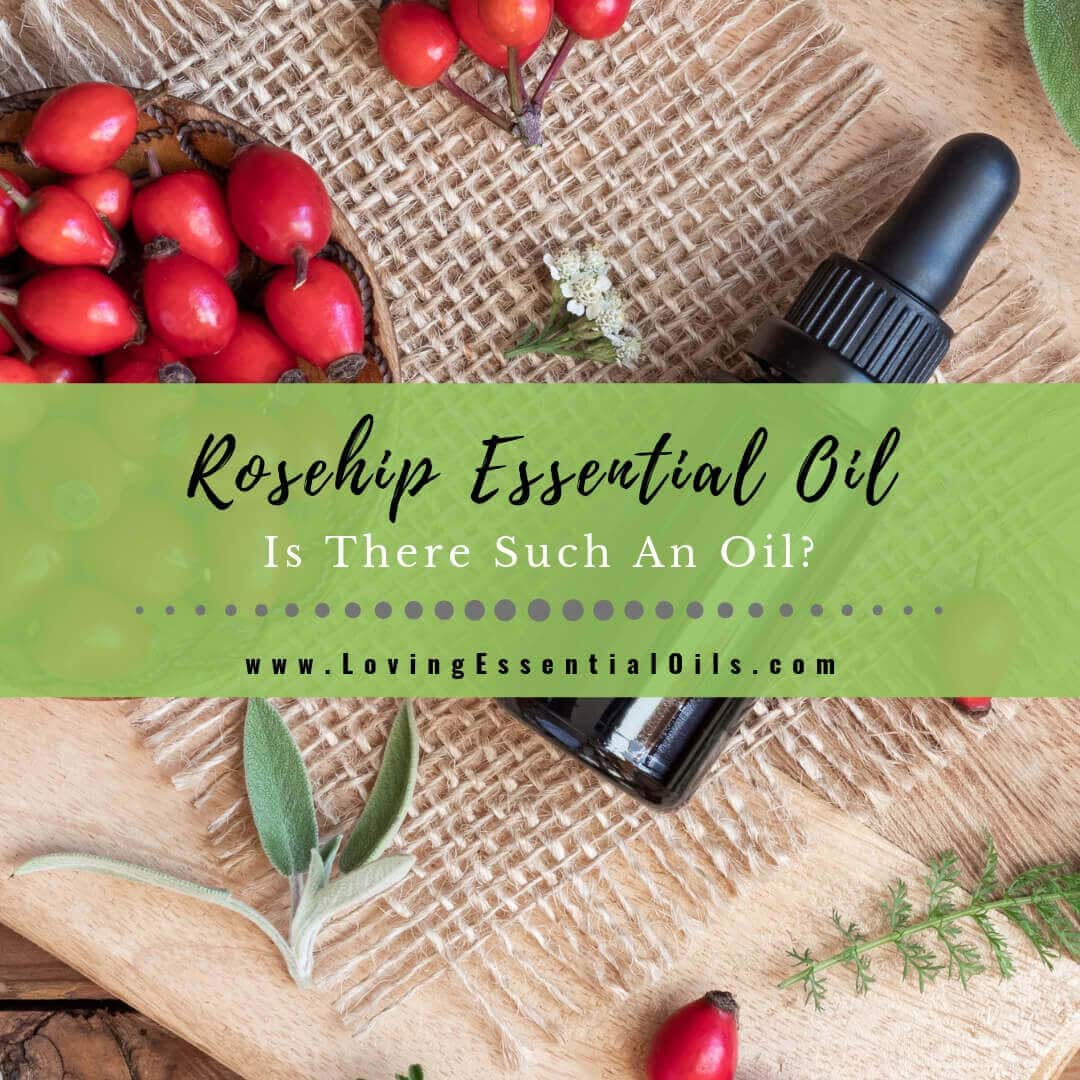
No, there's no such thing as rosehip essential oil. Rosehip oil is a carrier oil cold-pressed from the seeds of wild roses, while rose essential oil and rose absolute are concentrated aromatic oils made from rose petals. The names are similar, but they're very different oils.
Below I'll explain the difference, compare all three side by side, and share how to use them together. Jump to the comparison chart.
Carrier Oil vs Essential Oil: What's the Difference?
The confusion usually starts here, so here's a quick review:
| Carrier Oil | Essential Oil |
|---|---|
| Made from the fatty part of a plant, usually seeds, nuts or kernels | Concentrated aromatic oils from leaves, roots, flowers, seeds, bark, wood, resin or fruit peel |
| Usually cold-pressed | Usually steam distilled, or cold-pressed for citrus peels |
| Fixed oils that don't evaporate | Volatile oils that evaporate quickly |
| Used straight on skin, and as a base for diluting essential oils | Too strong for skin on their own. Always dilute in a carrier |
| Little to no scent | Highly aromatic |
Rosehip oil falls clearly on the carrier oil side. For more, see my carrier oil vs essential oil guide and full list of carrier oils.

What Is Rosehip Seed Oil?
I've searched my essential oil reference books and haven't found a true rosehip essential oil. What people usually mean is rosehip seed oil, which is cold-pressed from the seeds of wild roses such as Rosa canina, Rosa rubiginosa and Rosa moschata.
It's a light carrier oil that's traditionally used for dry and mature skin, the look of scars, and cuticles. It doesn't smell like roses. Unrefined rosehip has a mild, earthy or slightly nutty scent. You can use it straight on your skin or add essential oils to it. Read my full rosehip oil guide, plus is rosehip seed oil comedogenic? and rosehip oil for nails and cuticles.
Rosehip Oil vs Rose Essential Oil vs Rose Absolute
| Rosehip Seed Oil | Rose Essential Oil (Rose Otto) | Rose Absolute | |
|---|---|---|---|
| Type | Carrier oil | Essential oil | Absolute (aromatic extract) |
| Part used | Seeds inside the rosehip | Petals | Petals |
| How it's made | Cold-pressed | Steam distilled | Solvent extracted |
| Common species | Rosa canina, Rosa rubiginosa | Rosa damascena | Rosa damascena or Rosa centifolia |
| Scent | Mild, earthy | Fresh, deep rose | Rich, honeyed rose |
| How to use | Straight on skin or as a base for blends | A drop or two, always diluted | A drop or two, always diluted |
| Price | Affordable | Very expensive | Expensive |
Why Is Rose Essential Oil So Expensive?
Rose petals hold very little oil, so it takes thousands of pounds of hand-picked petals to make a small amount of rose otto. That's why many companies sell rose already diluted in a carrier like jojoba, often labeled with a percentage such as "3% in jojoba." That's perfectly fine to use, as long as you know what you're buying. Because rose is so costly, it's also one of the oils most often adulterated, so check the label for the botanical name and whether it's an essential oil, an absolute or a dilution.
One fun fact: true rose otto can turn cloudy or partly solid in a cool room. That's normal, and it melts again when the bottle warms in your hand.
What Is Rose Absolute?
An absolute is made with a solvent rather than steam. The solvent pulls the aromatic compounds from the petals and is then removed, leaving a thick, deeply fragrant oil. Many people feel absolutes smell closer to the fresh flower than distilled oils do. Rose absolute is a favorite in perfumes, while rose otto is often preferred for skin care.
What Is Rose Essential Oil Used For?
Rose has a soft, comforting floral scent that's traditionally used for emotional balance and calm, and it's a classic in blends for mature skin. Because it's so concentrated, a single drop goes a long way. Patch test first and use it well diluted. Find recipes in my rose essential oil recipes.
How to Use Rosehip and Rose Together
Rosehip and rose make a beautiful pair: rosehip as the carrier and rose for the scent.
Rose and Rosehip Face Roller (1%)
Adults
- 1 drop rose absolute or rose otto
- 1 drop frankincense
- 5 ml rosehip seed oil
- 5 ml jojoba oil
- 10 ml glass roller bottle
Method: Add the essential oils to the roller, then the carrier oils. Cap and roll gently to mix. At night, roll a little onto your cheeks and forehead, avoiding your eyes, and press it in with your fingertips. If your rose is pre-diluted (for example, 3% in jojoba), skip the pure rose and swap about 2 ml of the jojoba for your rose blend instead. Store the roller in the fridge. Learn more in my full frankincense essential oil guide.
Quick Label Check
- "Rosehip seed oil": a carrier oil. Use it straight on skin.
- "Rose otto" or "rose essential oil": steam-distilled from petals. Always dilute.
- "Rose absolute": solvent-extracted from petals. Always dilute.
- "Rose in jojoba" or a percentage: pre-diluted rose, ready for skin.
- "Rosehip essential oil": not a real thing. Check what's actually in the bottle.
Where to Buy Rosehip Oil
Choose 100% pure, cold-pressed, unrefined rosehip seed oil in a dark glass bottle. It should be golden to amber with a mild, earthy scent, and it's best kept in the fridge once opened. A few I've liked:
- Teddie Organics Rosehip Oil (affiliate link)
- Leven Rose Rosehip Oil (affiliate link)
- Kate Blanc Certified Organic Rosehip Oil (affiliate link)

More Rosy Posts
- Rosehip oil: 6 uses, benefits and easy DIY recipes
- Rose and lavender essential oil blend
- Rose and sandalwood essential oil blend
- How to use rose water spray for skin
- Rose water foaming body wash
- Essential oil potpourri with rose petals
Shop my Aromatherapy Supply Kits and grab one of my free essential oil guides.
Share on Pinterest

Essential Oil Guide for Beginners - Getting Started
$ 5.99
Beginner's Essential Oil Guide - Download/Printable Learn how to safely and effectively make essential oils a part of your everyday life. Everything you need to know about essential oils. If you have ever been around anyone who loves using essential… Read More