
Table of Contents
Updated November 2026
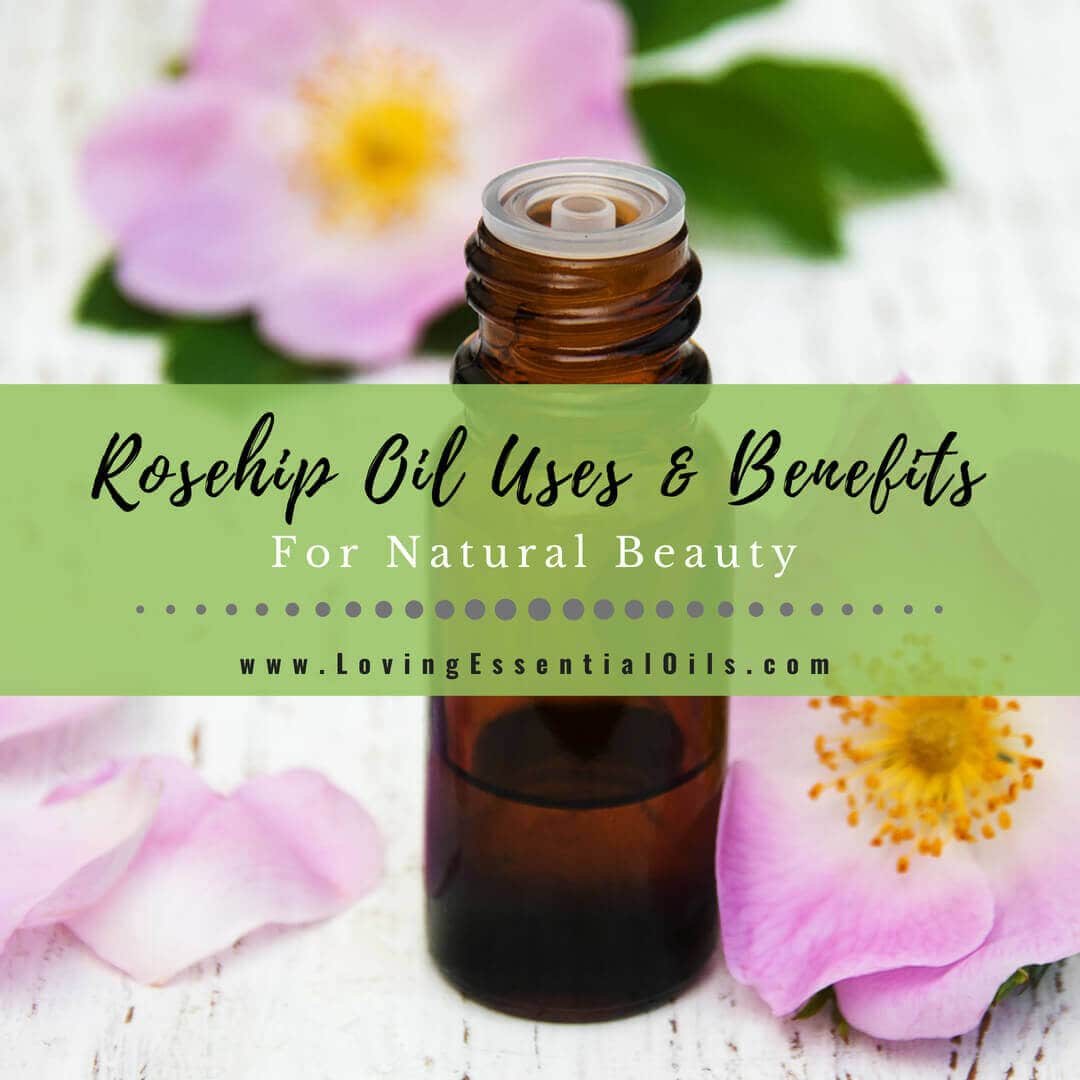
Pressed from the seeds of wild roses, rosehip oil is a light carrier that sinks in fast without a greasy feel. It's a favorite of mine for dry and mature skin, softening the look of old scars and stretch marks, and dry cuticles and hair ends.
This is my complete guide to rosehip oil: what it is, how it suits different skin types, my favorite ways to use it, and four easy recipes. Jump to the recipes.
Rosehip Seed Oil Profile
Botanical Name: Rosa canina (dog rose) or Rosa rubiginosa (sweet briar)
Plant Family and Part Used: Rosaceae; seeds, cold-pressed
Scent: mild, earthy, and slightly nutty. As a carrier oil it has no perfume note and won't compete with your essential oils
Favorite Uses: dry winter skin, a light night oil for mature skin, softening the look of old scars and stretch marks, dry cuticles, and frizzy hair ends
Max Dilution: none needed. Use it on its own or mixed with another carrier, and dilute any essential oils you add as usual
Safety: patch test first, skip it if you're allergic to roses, keep it off broken skin, and don't use it once it smells rancid
Blends Well With: frankincense, lavender, geranium, carrot seed, helichrysum, and rose; jojoba and argan as carrier partners
Shelf Life: short. Buy small bottles, keep it in the fridge, and use it within a few months of opening
Substitutes: argan, pomegranate seed, or jojoba
What Is Rosehip Seed Oil?
Rosehips are the small red-orange fruits a wild rose leaves behind after it blooms. The oil is pressed from the seeds inside them, which is why you'll often see it called rosehip seed oil.
It's a carrier oil, not an essential oil, so you can use it straight on your skin. I get asked this a lot, and I explain the difference in what is rosehip essential oil? Is there such an oil?
Rosehip seed oil is rich in polyunsaturated fatty acids. Roughly half of it is linoleic acid (an omega-6), and it has a good amount of alpha-linolenic acid (an omega-3). It also contains carotenoids, which give unrefined rosehip oil its golden-orange color, and vitamin E. You'll often read that rosehip oil is full of vitamin C, but that vitamin is in the fruit, not the oil pressed from the seeds.
All those delicate fatty acids are what make it feel so light, and they're also why it goes rancid faster than most carriers. More on storage below.
Types of Rosehip Oil
- Cold-pressed, unrefined: golden to orange-red with an earthy scent. This is the one I use, because it keeps the most carotenoids.
- Refined: pale yellow with almost no scent. It's gentler on the nose but has lost some of its natural compounds.
- CO2-extracted: a deep orange, concentrated oil that's usually added in small amounts to blends.
You may see Rosa canina, Rosa rubiginosa, or "rosa mosqueta" on the label. They're all used the same way in aromatherapy.
Is Rosehip Oil Good for Your Skin Type?
Rosehip oil rates a 1 on most comedogenic charts, the low end of the scale. It's often called a "dry" oil because it sinks in quickly without a greasy film, so it works well under makeup or sunscreen.
- Dry and mature skin: a lovely fit, either alone or mixed with jojoba.
- Oily and combination skin: usually fine at night in small amounts. Mix it half and half with jojoba or hemp seed oil if it feels too rich.
- Sensitive skin: patch test first, and use it on its own without essential oils to start.
Read more in is rosehip seed oil comedogenic? and my full non-comedogenic carrier oils ratings chart.

6 Rosehip Oil Uses and Benefits
1. Softening Dry Skin
This is my favorite way to use rosehip oil. A few drops pressed onto damp skin after washing leave it feeling soft without a heavy, greasy layer. It's especially nice on dry patches around the nose, chin, and eyebrows in winter.
2. Mature Skin and Fine Lines
Rosehip is a common oil in serums for mature skin, and it leaves skin feeling soft and smooth. I use it at night, mixed with jojoba and a drop or two of frankincense. Find more ideas in my top 7 essential oils for youthful skin.
3. The Look of Scars and Stretch Marks
Massaged into old scars and stretch marks, rosehip oil keeps the skin feeling soft and supple. Regular use and patience matter here, and results vary from person to person. During pregnancy, plain rosehip oil (or rosehip mixed with sweet almond oil, if you don't have a nut allergy) is a nice choice for belly massage. If you'd like to add essential oils, wait until after 16 weeks, keep the blend at 0.5 to 1%, and check with your doctor or midwife first. See also my essential oils for the look of scars.
4. Oily Skin and Dark Marks Left Behind
Because it's light and rates a 1 on the comedogenic scale, rosehip is a good carrier for oily skin. I like it most for the dark marks that linger after a breakout fades. Try the oil cleanse recipe below, or my tea tree and lavender roller made with rosehip as the carrier. See a dermatologist for painful or persistent breakouts.

5. Nails and Cuticles
Dry, ragged cuticles soak up rosehip oil. A roller of rosehip and lavender by the sink makes it easy to massage into your nail beds after washing your hands. My rosehip oil for nails and cuticles post has more, and you'll find another blend in my best essential oils for nails.
6. Dry Hair Ends
Rosehip is a bit precious to use as a full hair mask, but 1 or 2 drops smoothed through dry ends after styling adds softness and shine without weighing hair down. For a bigger hair oil, see my DIY essential oil hair serum.
Safety and Dilution
Rosehip oil itself doesn't need diluting. When you add essential oils to it, use these amounts:
| Dilution | Per 1 Tbsp (15 ml) | Per 10 ml Roller | Use For |
|---|---|---|---|
| 0.5 to 1% | 2 to 3 drops | 1 to 2 drops | Face, sensitive skin, kids 5 to 11 |
| 1 to 2% | 3 to 6 drops | 2 to 4 drops | Body oils and massage |
| 2 to 3% | 6 to 9 drops | 4 to 6 drops | Cuticles, hands, feet (ages 12+) |
| Up to 5% | Up to 15 drops | Up to 10 drops | Ages 15+, short-term, small spot only |
Rosehip Oil Tips
• Skip it if you're allergic to roses or other plants in the rose family.
• Keep it off broken skin and away from your eyes.
• Rancid rosehip oil smells sharp or fishy and is more likely to irritate. Toss it.
A Few Safety Basics
• Keep essential oils away from babies under 2, including diffusing in a room they're in.
• Always dilute oils before they touch skin, and patch test a new blend on your inner forearm for 24 to 48 hours.
• Check the age on each recipe. Kids 2 to 4 use only six starter oils at 0.5%, after checking with your pediatrician. Kids 5 to 11 stay at 0.5 to 1%.
• If you're pregnant, check with your doctor or midwife first. For the first 16 weeks I use only six oils, and only in a diffuser or inhaler: lavender, sweet orange, lemon, ginger, cedarwood (Virginian), and frankincense. After that, skin blends stay at 0.5 to 1%.
• Never put oils on pets, and diffuse with a door open so they can leave. Cats are especially sensitive; see my essential oil pet safety guide.
• Never swallow essential oils. If someone does, call Poison Control at 1-800-222-1222.
See my diluting essential oils guide and 7 essential oil safety tips for more.
Easy Rosehip Oil Recipes
Rosehip and Frankincense Night Serum
Facial oil · Ages 12+ · 1%
A light, warm, resinous night serum for dry or mature skin.
- 2 tsp (10 ml) rosehip seed oil
- 4 tsp (20 ml) jojoba oil
- 4 drops frankincense (Boswellia carterii)
- 2 drops lavender (Lavandula angustifolia)
- 1 oz (30 ml) amber glass dropper bottle
Directions: Add the carrier oils to the bottle, then the essential oils. Cap and roll gently to mix. At night, warm 3 to 4 drops between your fingertips and press them onto clean, slightly damp skin. The jojoba stretches the rosehip and helps the serum stay fresh longer. Store it in the fridge. Learn more in my full frankincense essential oil guide.
Gentle Rosehip Oil Cleanse
Facial oil · Ages 12+ · 1 drop in 1 tsp
A fresh, simple oil cleanse that leaves skin feeling clean but not stripped.
- 1 tsp (5 ml) rosehip seed oil
- 1 drop tea tree (Melaleuca alternifolia)
Directions: Mix in your palm with a fingertip. Massage over a dry or slightly damp face in small circles for about a minute, avoiding your eyes. Lay a warm, damp washcloth over your face for a few seconds, then gently wipe the oil away. Pat dry. See my full tea tree essential oil guide.
Lavender Cuticle Roller
Roller · Ages 12+ · 2%
A soft floral roller to keep by the sink for dry cuticles.
- 4 drops lavender (Lavandula angustifolia)
- Rosehip seed oil to fill a 10 ml roller
Directions: Add the lavender to the roller and fill to the shoulder with rosehip oil. Snap the roller top on and roll gently to mix. Massage into your nail beds and cuticles once or twice a day. See all my uses for lavender essential oil.

Little Fingers Cuticle Roller
Roller · Ages 5+ · 1%
The same soft lavender scent, made gentle for kids.
- 2 drops lavender (Lavandula angustifolia)
- Rosehip seed oil to fill a 10 ml roller
Directions: Make it the same way as the grown-up roller. Roll a little onto dry cuticles and rub it in. Keep the bottle out of reach and do the rolling yourself.
Note: Label it with your child's name and the dilution. See my kid safe essential oils list for more.
What Blends Well With Rosehip Oil
Essential oils:
- Frankincense: my favorite pairing for mature skin.
- Lavender: gentle and calming for most skin types.
- Geranium: a soft, rosy floral that suits most skin types.
- Carrot seed: earthy and warm, a favorite in mature-skin blends (ages 12+, and avoid it in pregnancy).
- Helichrysum: a honeyed herbal note often found in blends for the look of scars.
Carrier oils: jojoba to stretch it and extend its shelf life, and argan for an extra-silky face oil.
How to Buy and Store Rosehip Oil
- Choose cold-pressed, unrefined rosehip seed oil in a dark glass bottle.
- Buy a small bottle you'll use in a few months.
- Keep it in the fridge once opened, with the cap on tight.
- Fresh rosehip oil smells mild and earthy. If it smells sharp, bitter, or fishy, it has gone rancid.
- Unrefined rosehip can tint white pillowcases and light fabric, so give it a few minutes to sink in before bed or getting dressed.
- To make a bottle go further, mix it half and half with jojoba or fractionated coconut oil, or add a few drops to sweet almond oil for a massage blend (skip almond with a nut allergy).
A few rosehip oils I've liked:
- Teddie Organics Rosehip Oil (affiliate link)
- Leven Rose Rosehip Oil (affiliate link)
- Kate Blanc Certified Organic Rosehip Oil (affiliate link)
For more storage tips, see my carrier oil shelf life and storage guide.
Share on Pinterest

All My Rosehip Oil Posts
- Is rosehip seed oil comedogenic?
- Rosehip oil for nails and cuticles
- What is rosehip essential oil? Is there such an oil?
- Shea butter hand cream with rosehip and jasmine
Keep Exploring
- List of carrier oils: 25 best carrier oils
- How to make a custom facial oil
- 5 essential oil combinations for skin
Shop my Aromatherapy Supply Kits and grab one of my free essential oil guides.
Essential Oil Guide for Beginners - Getting Started
$ 5.99
Beginner's Essential Oil Guide - Download/Printable Learn how to safely and effectively make essential oils a part of your everyday life. Everything you need to know about essential oils. If you have ever been around anyone who loves using essential… Read More