

Table of Contents
If you're just starting out, I'd buy a few single essential oils before premade blends. Singles are more versatile, usually cost less per use, and let you make your own blends. Premade blends are handy when you want something ready to go, as long as you know what's in the bottle.
Below I'll walk you through the real differences, how to read a blend label, my five starter singles, and three easy blends you can mix yourself. Jump to the recipes.
What's the Difference?
A single essential oil comes from one plant, like lavender (Lavandula angustifolia) or lemon (Citrus limon). A premade blend is two or more single oils mixed together by a company and sold under a name like "Calm," "Sleep" or "Breathe."
That's really it. A blend isn't a different kind of oil. It's someone else's recipe, mixed ahead of time.
Single Essential Oils: Pros and Cons
- Pro: You can use them in many ways. One bottle of lavender can go in a diffuser blend, a bath oil, a pillow spray and a roller.
- Pro: You know exactly what you're using. That matters if you have a sensitivity, are making something for kids, or need to avoid a certain oil.
- Pro: Better value over time. A small collection of singles can make dozens of different blends.
- Con: There's a small learning curve. You'll need to learn which oils go together and how many drops to use.
- Con: It can feel overwhelming at first. This is where a lot of people end up with bottles that just sit on a shelf.
Premade Blends: Pros and Cons
- Pro: Convenient. Open the bottle and add drops. No measuring.
- Pro: A balanced scent. A well-made blend usually layers top, middle and base notes so it smells finished.
- Pro: An easy way to try oils. A blend can introduce you to oils you might not buy on their own.
- Con: You can't take anything out. If you don't love one oil in the mix, you're stuck with it.
- Con: Ratios are often secret. Many companies list the oils but not how much of each, which makes it harder to dilute safely or check it for kids or pregnancy.
- Con: Some are already diluted. A "ready to use" blend may be mostly carrier oil, so it won't work in a diffuser and the price per drop of essential oil is higher than it looks.
Side-by-Side Comparison
| Single Oils | Premade Blends | |
|---|---|---|
| Control | Full control of scent and strength | Fixed recipe |
| Convenience | Takes a minute to mix | Ready to use |
| Versatility | One oil, many recipes | Usually one purpose |
| Cost over time | Lower | Often higher |
| Kid, pet and pregnancy checks | Easy, you know every oil | Read the label carefully |
| Best for | DIY blending, sensitive users, families | Busy days, trying new scents |
If you're weighing rollers specifically, see my DIY vs store-bought essential oil rollers post.
How to Read a Premade Blend Label
- Look for every oil listed, ideally with Latin names.
- Check whether it's 100% essential oils or already diluted in a carrier.
- Scan for peppermint, rosemary or eucalyptus if you'll use it around kids.
- If you're pregnant or breastfeeding, check for oils like clary sage, myrrh, wintergreen, cinnamon or clove.
- Check for citrus oils if you'll put it on skin before going in the sun.
- Note the bottling or expiry date. A blend only lasts as long as its shortest-lived oil, often the citrus.
My 5 Starter Single Oils
If I had to start over, these are the five I'd buy first. Between them, you can make calming, uplifting, focusing and sleepy blends.
- Lavender (Lavandula angustifolia): soft and floral, the easiest oil to blend with.
- Lemon (Citrus limon) or sweet orange (Citrus sinensis): bright and cheerful. Keep cold-pressed lemon off skin before sun.
- Cedarwood (Atlas, Himalayan, Texas or Virginian): warm, woody and grounding, lovely at bedtime.
- Frankincense (Boswellia carterii): calm and resinous, great for meditation blends.
- Peppermint (Mentha piperita): cool and sharp for focus. Not for kids under 6.
Once you have a few, my essential oil blending for beginners guide and list of essential oil notes will help you build your own.
3 Easy DIY Blends to Make Instead of Buying
These are simple versions of the most common premade blends. Each is for a standard 100 to 200 ml ultrasonic diffuser. Run your diffuser for 30 to 60 minutes, then give it a break.
1. Calm Diffuser Blend
Adults and kids 6+
- 3 drops lavender (Lavandula angustifolia)
- 2 drops bergamot (Citrus bergamia)
- 1 drop cedarwood (Atlas, Himalayan, Texas or Virginian)
Method: Fill your diffuser with water to the line, add the drops and run for 30 to 60 minutes in the evening.
2. Focus Diffuser Blend
Adults and kids 6+ (contains rosemary and peppermint; if pregnant, use rosemary ct. cineole or ct. verbenone)
- 3 drops lemon (Citrus limon)
- 2 drops rosemary (Rosmarinus officinalis)
- 1 drop peppermint (Mentha piperita)
Method: Add to your diffuser during work or homework time. This one is strong, so a small room only needs 30 minutes.
3. Sleepy Time Diffuser Blend
Adults and kids 6+
- 3 drops cedarwood (Atlas, Himalayan, Texas or Virginian)
- 2 drops lavender (Lavandula angustifolia)
- 1 drop vetiver (Chrysopogon zizanioides)
Method: Diffuse in the bedroom for 30 minutes before bed, then turn it off before you fall asleep. For more ideas, see my sleep diffuser blends.
Want it as a roller? For adults, add 4 drops of any of these blends to a 10 ml roller and top with a carrier oil for a 2% blend. Use bergapten-free (FCF) bergamot in rollers so it won't react with sunlight, and Atlas, Texas or Virginian cedarwood. For kids 6 and up, use 2 drops for a 1% blend. Check any roller with my dilution calculator.
Safety Basics for Singles and Blends
- Always dilute in a carrier oil before it touches skin. Here's my dilution guide.
- Patch test new blends on your inner arm and wait 24 to 48 hours.
- Diffuse in a ventilated room and leave a door open so pets can leave. Cats are especially sensitive, so keep diffusing short around them.
- No peppermint or rosemary for kids under 6, and no eucalyptus under 10.
- Check with your doctor if you're pregnant or nursing.
- Never ingest essential oils. Store them cool, dark and capped.
Keep Exploring
- How to make custom essential oil blends for your diffuser
- 20 simple essential oil combinations
- How to use an essential oil diffuser
- Recipes for essential oil roller bottles
- 7 essential oil safety tips for beginners
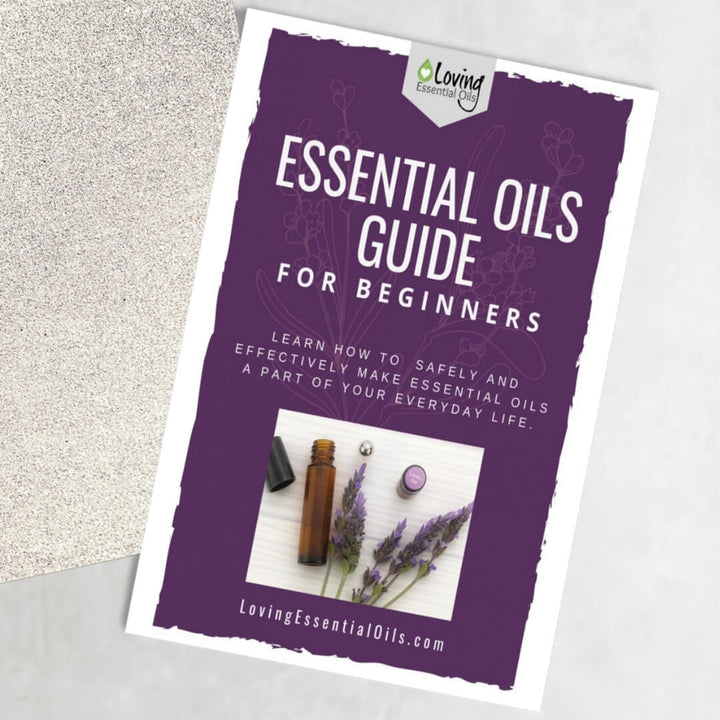
Shop my Aromatherapy Supply Kits and grab one of my free essential oil guides.
Essential Oil Guide for Beginners - Getting Started
$ 5.99
Beginner's Essential Oil Guide - Download/Printable Learn how to safely and effectively make essential oils a part of your everyday life. Everything you need to know about essential oils. If you have ever been around anyone who loves using essential… Read More