

Table of Contents
- What Are Rollerball Essential Oil Bottles and How Do They Work?
- What Are Dropper Bottles and Why Are They Useful for Essential Oil Blending?
- Rollerball vs Dropper Bottles: Which Should You Use?
- Materials and Safety: What to Look for in Essential Oil Bottles
- How Does Loving Essential Oils Support Your Use of Rollerball and Dropper Bottles?
- What Are the Most Common Questions About Rollerball vs Dropper Bottles for Essential Oils?
- Can you put pure essential oils in rollerball bottles safely?
- What size rollerball or dropper bottle is best for different essential oil uses?
- What is the best way to clean rollerball and dropper bottles?
- Can I use the same rollerball bottle for different essential oil blends?
- How do I know if my essential oil is safe for topical use?
- What are the differences in shelf life between rollerball and dropper bottle blends?
- Are there specific essential oils that should not be used in rollerball bottles?
- Key Takeaways on Rollerball and Dropper Bottles
If you love creating your own essential oil blends, you’ve probably wondered which is better: roller bottles or dropper bottles. In this guide, Essential Oil Roller Bottles vs Dropper Bottles, I’ll walk through how each bottle works and when it makes the most sense to use them.
You’ll see why roller bottles are so handy for quick, on-the-go topical use, and why dropper bottles shine when you’re measuring, mixing, or making bigger batches. There will also be simple tips on glass versus plastic, plus easy steps for filling and using each style. By the end, you’ll feel confident picking the right bottle for roller recipes, diffuser blends, and everyday wellness.
What Are Rollerball Essential Oil Bottles and How Do They Work?
Rollerball essential oil bottles are small glass containers with a round roller at the top. This roller dispenses a pre-diluted mix of essential oil and carrier oil directly onto your skin.
As you glide the roller over your skin, it releases a thin layer of oil, making application easy and controlled. Common sizes are 5 ml and 10 ml, usually made of amber or cobalt glass to protect the oils from light.
The roller itself is often stainless steel for best use. Roller bottles are perfect for topical blends, targeted relief (like headaches or stressful moments), and for carrying in your purse or pocket. They offer a simple, mess-free way to enjoy aromatherapy wherever you go.
Key Benefits of Using Rollerball Bottles for Essential Oils
Rollerball bottles make topical aromatherapy simple and safe. Here are some of their main benefits:
- Precision application: Delivers just the right amount, perfect for spots like temples, neck, feet, and wrists.
- Portability: Small glass bottles fit easily in your bag for use anytime, anywhere.
- Hygienic use: The roller reduces hand contact, keeping your blend and hands clean.
- Low waste: Dispenses only what you need, so you don’t lose drops or overuse oils.
These features make rollerballs a favorite for personal, topical blends. Next, let’s look at some easy DIY roller blends and how to safely dilute them in a 10 ml bottle.
DIY Essential Oil Welcome Kit: Blank Aromatherapy Inhaler and Roll On Bottles

$ 17.00
Essential Oil Beginner Supply Kit: Mini Bundle of Blank Aromatherapy Inhaler and Empty Roll On Bottles Our Essential Oil Beginner Supply Kit gives you the tools you need to start your aromatherapy journey with confidence. This mini starter set includes… Read More
Simple DIY Essential Oil Roller Blends
Here are a few easy, beginner-friendly roller blends for a 10 ml glass bottle. Use fractionated coconut oil or jojoba as your carrier oil. Always do a patch test and adjust the dilution for children or sensitive skin. These use a safe 2–5% dilution for adults.
- Calming Roll-On (for anxiety or bedtime): 6 drops lavender, 2 drops bergamot, fill with carrier oil to the top (~4% dilution).
- Headache Relief Roll-On (temples and back of neck; apply near hairline to avoid eye irritation): 4 drops peppermint, 4 drops lavender, 2 drops frankincense, fill with carrier oil (~5% dilution).
- Energy Boost Roll-On (pulse points): 2 drops sweet orange, 2 drops rosemary, 2 drops peppermint, fill with carrier oil (~3% dilution).
Roller bottles make it easy to measure, blend, and apply your oils. Now, let’s explore dropper bottles and when they’re the best choice for your blends.
What Are Dropper Bottles and Why Are They Useful for Essential Oil Blending?
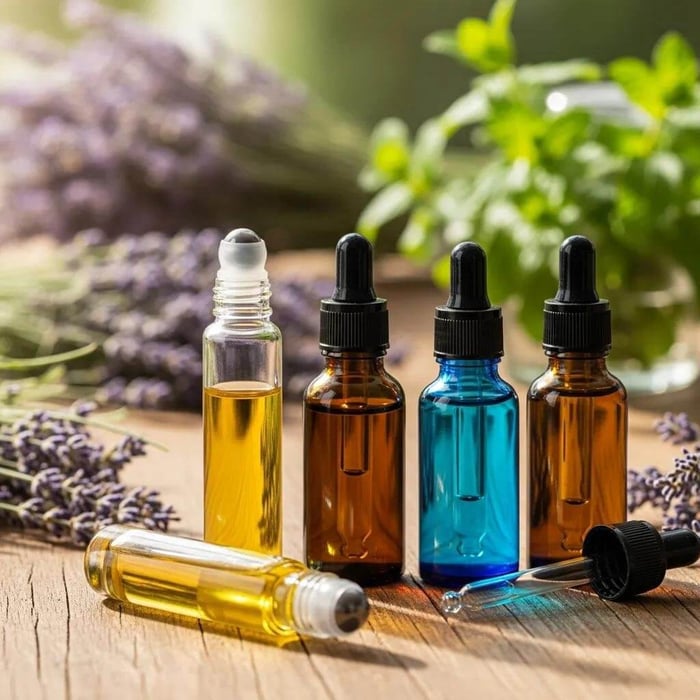
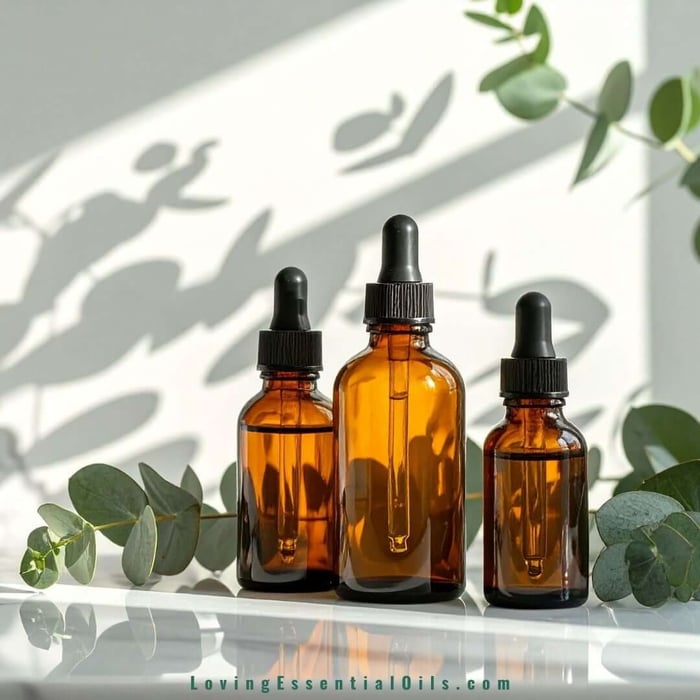
Dropper bottles are glass containers with a built-in pipette. This lets you measure and transfer essential oils one drop at a time. Dropper bottles are especially helpful when you need to follow recipes, make larger batches, or prepare blends for diffusers and massage oils.
Colored glass protects your oils from light, keeping them fresh longer. Glass droppers are great when you want accuracy and easy mixing, especially for blends you’ll use over time.
Advantages of Dropper Bottles for Essential Oils
Dropper bottles offer several practical benefits:
- Precision: The glass pipette lets you add just the right number of drops for your recipe.
- Easy mixing: Perfect for making larger batches and following exact measurements.
- Safe storage: Amber and cobalt glass help protect oils from sunlight.
These features make dropper bottles ideal for diffuser blends, massage oils, and any blend where you want to measure and mix larger amounts.
DIY Essential Oil Recipes for Dropper Bottles
Try these easy blends in 15 ml or 30 ml glass dropper bottles. Use amber or cobalt glass for best results, and store your blends in a cool, dark place.
- Uplifting Diffuser Blend (15 ml stock): 30 drops sweet orange, 20 drops grapefruit, 10 drops bergamot. Use 4-8 drops per diffuser session.
- Massage Oil (30 ml): 6 drops lavender, 6 drops marjoram, fill with carrier oil (~2% dilution for adults).
- Relaxing Bath Oil (30 ml): 6 drops chamomile, 6 drops lavender, fill with carrier oil. Add 10-15 ml to bath water as desired. Caution as tub will be slippery.
Dropper bottles help you scale, store, and use your blends with confidence. Next, let’s compare rollerball and dropper bottles side-by-side.
Rollerball vs Dropper Bottles: Which Should You Use?
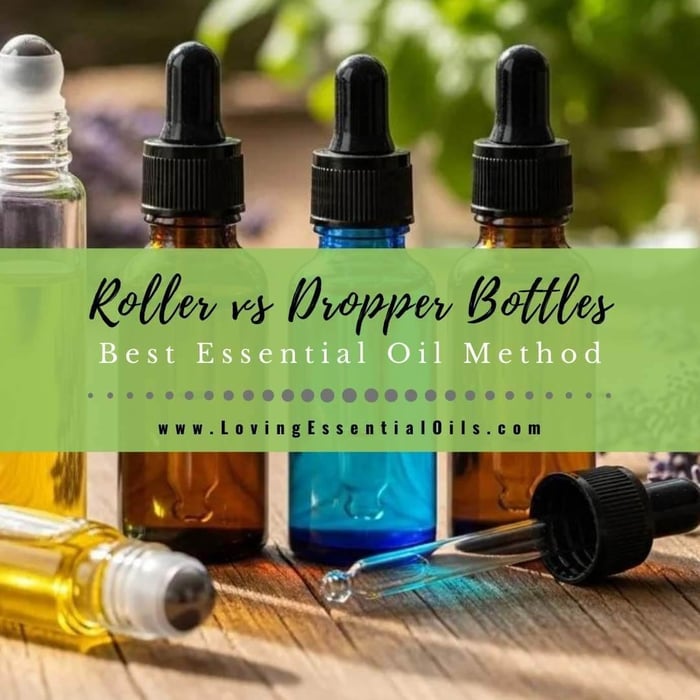
Choosing between essential oil roller bottles vs dropper bottles depends on how you plan to use your blend. Rollerballs are best for quick, targeted, and mess-free topical use. Droppers are better for measuring, mixing, and storing larger batches of blends.
Think about whether you need something portable and easy to apply, or if you want to make DIY recipes or bigger quantities with precise measurements.
Choose a dropper bottle for recipes, larger batches, or diffuser use. Colored glass bottles are best for light-sensitive oils. Many aromatherapy lovers keep both types on hand for different needs.
Materials and Safety: What to Look for in Essential Oil Bottles
The material and color of your bottle directly affect oil quality and shelf life. Glass is the best choice for storing essential oils because it’s non-reactive and doesn’t absorb the oils.
Amber and cobalt glass protect oils from sunlight, helping them last longer. Stainless steel rollerballs are durable and hygienic, while plastic rollerballs can wear out and may interact with some oils.
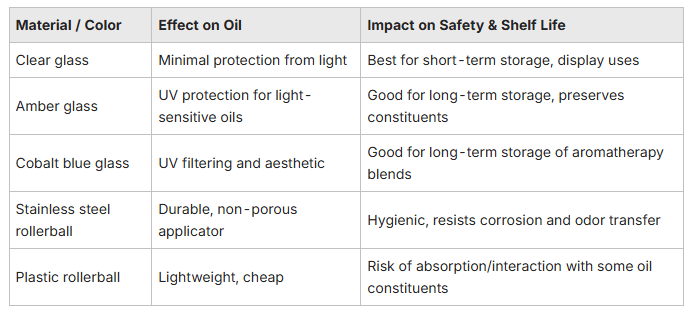
For the best quality and safety, choose glass bottles with amber or cobalt tint and stainless steel rollers. Next, let’s see why glass is the top choice over plastic for essential oil storage.
Why Glass Is Best for Essential Oil Bottles
Glass is stable, non-porous, and doesn’t react with essential oils. This keeps your blends fresh and their scents pure. Essential oils can break down certain plastics, which may change the aroma or lower the effectiveness of your blend.
Glass is also reusable and easy to clean. While plastic bottles can be used for short trips or single uses, glass is always best for long-term storage and maintaining the quality of your oils.
How Do Bottle Colors and Rollerball Materials Impact Essential Oil Quality and Safety?
Bottle color and rollerball material play an important role in protecting your essential oils. Amber or cobalt glass bottles help shield oils from sunlight, which can break down light-sensitive oils and affect their scent and potency.
- Stainless steel rollerballs resist corrosion and do not absorb odors, making them a clean and safe option for blends you use on your skin.
- Plastic rollerballs are lightweight and affordable but may react with certain oils, especially citrus, causing the plastic to break down over time.
Choosing amber or cobalt glass bottles with stainless steel rollerballs helps keep your oils fresh and safe for use.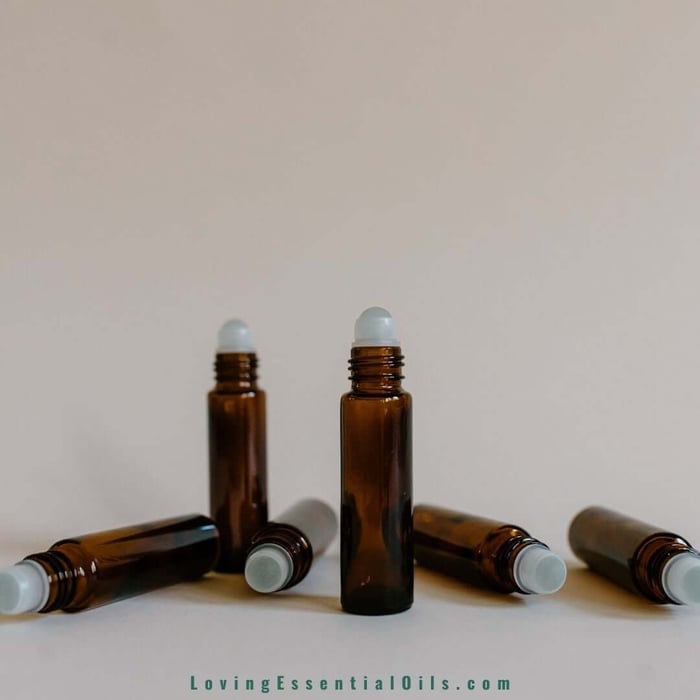
How Does Loving Essential Oils Support Your Use of Rollerball and Dropper Bottles?
At Loving Essential Oils, I guide you through every step of DIY blending with simple, safe, and practical resources. My digital guides, blend books, and step-by-step tutorials make aromatherapy approachable and enjoyable.
My goal is to help you blend with confidence, focusing on safety and easy-to-follow education.
How Do Loving Essential Oils’ Guides and Custom Blends Enhance Your Bottle Choice?
I offer a collection of custom roller blends, crafted to order with fractionated coconut oil, and provide clear instructions for using rollerball and dropper bottles.
5 Custom Essential Oil Roller Blends 10 ml - Your Choice

$ 47.00
Get 5 custom blend of essential oils in roller bottles, just tell me what you want me to create and I will hand blend it for you. I have over 70 essential oils on hand and can make the custom… Read More
My guides explain which bottle types work best for different recipes and include dilution charts, filling instructions, and safety tips. The "Ultimate Essential Oil Recipes Guide" covers carrier oils and important safety notes, so you can choose the right bottles and blend with ease.
"Roll-on essential oils for anxiety are popular because they are easy to carry and use. These small bottles fit in your pocket or bag, offering a quick and discreet way to find relief wherever you are."What Tools and Kits Does Loving Essential Oils Recommend for Blending and Application?
For safe and easy blending, I recommend tools that make measuring, mixing, and storing oils simple. Starter kits, like my 31-piece deluxe kit, introduce you to a variety of essential oil tools and bottles and let you experiment with small-batch blends.
Helpful tools include pipettes for accurate drops, stainless steel roller applicators for clean application. You will also receive amber, green and cobalt glass dropper bottles.
31 PC Deluxe Essential Oils Kit: Aromatherapy Supplies

$ 39.99
NEWLY UPDATED 31 PC Deluxe Essential Oils Kit! Jars added and a BONUS accessories pack. Aromatherapy supplies include a variety of tools needed for making DIY products with your essential oils. Use this kit to make roll on blends, inhaler… Read More
What Are the Most Common Questions About Rollerball vs Dropper Bottles for Essential Oils?
Many people ask if pure essential oils can be put in rollerballs, what bottle size to use, and how to dilute oils safely for the skin. Best practice is to always dilute essential oils in a carrier oil before using them in rollerball bottles to prevent skin irritation.
Can you put pure essential oils in rollerball bottles safely?
No, pure essential oils should not be applied undiluted in rollerball bottles. Always mix them with a carrier oil before using on your skin. Essential oils are highly concentrated and can cause irritation or burns if used neat.
For adults, a common roller bottle dilution is 2% to 5%, depending on the oil and where you apply it. For a 10 ml rollerball at 2% dilution, use about 4 drops of essential oil.
For children or sensitive skin, use a lower dilution like 1% and always check safety guidelines. Do a patch test first and avoid using photosensitive oils like bergamot on areas exposed to sunlight.
What size rollerball or dropper bottle is best for different essential oil uses?
Choose 5 ml or 10 ml rollerball bottles for personal, on-the-go blends. These sizes are perfect for daily use and quick application.
For diffuser blends, massage oils, facial serums, or larger recipes, opt for 15 ml or 30 ml dropper bottles. You can also use 60 ml dropper bottles for body oils and massage blends.
Smaller bottles keep blends fresh by limiting air exposure. Larger ones work best for shared or frequent use. Always match the size to how quickly you'll use the blend to maintain potency and safety.
What is the best way to clean rollerball and dropper bottles?
For both rollerball and dropper bottles, first remove outer stickers or labels.
If there's stubborn sticker residue after removal: Soak the bottle in hot, soapy water with the lid still on to prevent residue from getting inside. For extra tough spots, clean with a few drops of lemon essential oil or rubbing alcohol. Clean well with warm soapy water and rinse before proceeding.
Rollerball bottles: Once the outside is clean, remove the roller top and clean the bottle, roller top and cap with warm, soapy water. Rinse and let the pieces air dry completely before using.
Dropper bottles: Once the outside is clean, remove the dropper and soak the pieces in warm, soapy water. Use a small brush for the pipette if needed, then rinse well and dry fully before filling.
Avoid harsh chemicals, as they can leave residues that affect your oils.
Can I use the same rollerball bottle for different essential oil blends?
Yes, you can reuse the same rollerball bottle for a new essential oil blends.
No need to clean inside if refilling with a similar blend, see how to reuse rollerball bottles. For different blends, clean thoroughly to avoid mixing scents. Label your bottles or use colors to track blends easily. Dedicate bottles to favorite or strong, lingering scents for best results.
How do I know if my essential oil is safe for topical use?
Check dilution guidelines and safety information from trusted sources. Always dilute essential oils in a carrier oil before applying to your skin, usually between 2% and 5% for adults.
Do a patch test on a small area to check for reactions. Follow safety advice, especially for oils that may cause irritation or sensitivity.
What are the differences in shelf life between rollerball and dropper bottle blends?
Shelf life for diluted essential oil blends primarily hinges on the carrier oil used (e.g., fractionated coconut lasts several years, while grapeseed or almond may expire in 1 year), plus factors like oxidation from air exposure.
Rollerball blends: Shorter shelf life of 6 months to 1 year max with fractionated coconut or jojoba in amber or blue glass stored cool and dark due to frequent opening, skin contaminants, and air/light exposure.
Dropper bottles: Longer shelf life of 1 to 2 years max under same conditions thanks to less handling.
Storage Tips
Store all bottles upright in cool, dark spots away from heat/UV to maximize their longevity. For long-term dropper storage (over weeks), replace the dropper with an airtight cap to avoid rubber from breaking down and oil contamination.
Are there specific essential oils that should not be used in rollerball bottles?
Some essential oils, like cinnamon, clove, and oregano, are very strong and can irritate the skin, even when diluted. Photosensitive oils such as bergamot and lemon should be used with care if you will be in the sun.
Always check safety guidelines and consider your skin’s sensitivity before choosing oils for rollerball blends.
Key Takeaways on Rollerball and Dropper Bottles
In essential oil roller bottles vs dropper bottles, rollerballs work great for precise, portable use on the skin. Droppers help with accurate measurement and making larger blends. Choose bottle size based on how often you use the blend and whether you are making a personal roller or a larger batch for diffusing or massage.
Knowing these differences helps you pick what works best for your aromatherapy needs. Listen to your body and tweak blends to suit your aromatherapy needs.
Explore our toolkit of essential oil supplies to support your blending journey.
31 PC Deluxe Essential Oils Kit: Aromatherapy Supplies
$ 39.99
NEWLY UPDATED 31 PC Deluxe Essential Oils Kit! Jars added and a BONUS accessories pack. Aromatherapy supplies include a variety of tools needed for making DIY products with your essential oils. Use this kit to make roll on blends, inhaler… Read More