

Table of Contents
Updated October 2026
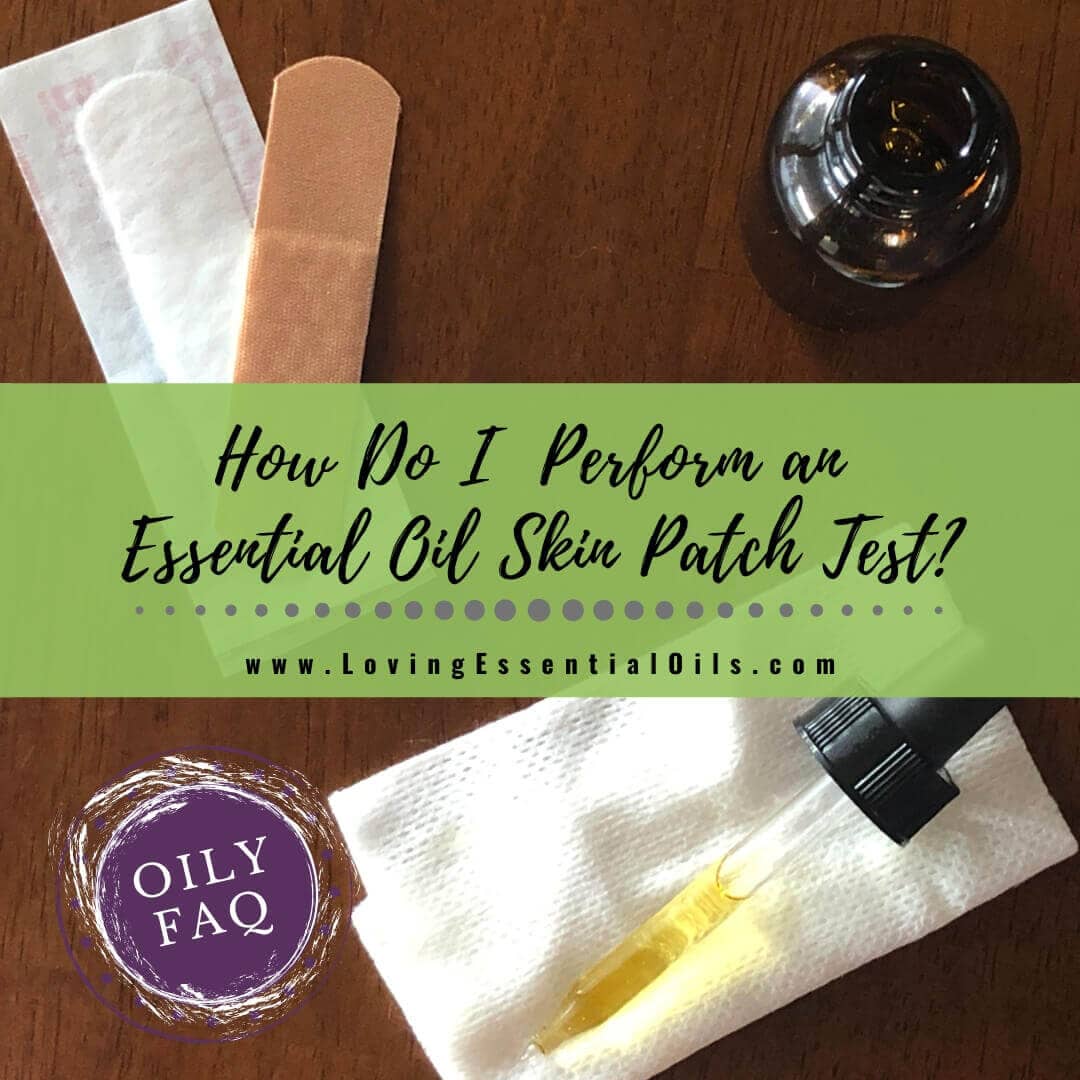
To do an essential oil skin patch test, mix 1 to 2 drops of essential oil into 1 teaspoon of carrier oil, rub a few drops on your inner forearm, cover it with a bandage and wait 24 to 48 hours. If there's no redness, itching or swelling, the oil is likely okay for you at that dilution. Below I walk you through each step, a dilution chart, how to read your results and what to do if your skin reacts. Jump to the step-by-step test.
This post contains affiliate links. If you buy through them, I may earn a small commission at no extra cost to you.
What Is an Essential Oil Patch Test?
A patch test means trying a diluted essential oil on a small spot of skin before you use it on a bigger area. It's a quick, simple way to see how your skin responds to a new oil, a new carrier oil or a new blend before you commit to a whole bottle of body oil or a roller blend.
Even pure, good-quality essential oils can cause skin irritation or an allergic reaction in some people. If you're allergic to a plant, you may react to its essential oil too. The same goes for carrier oils. If you have a tree nut allergy, for example, sweet almond oil may not be a good choice for you. Learn more about the difference between fragrance oil and essential oil.
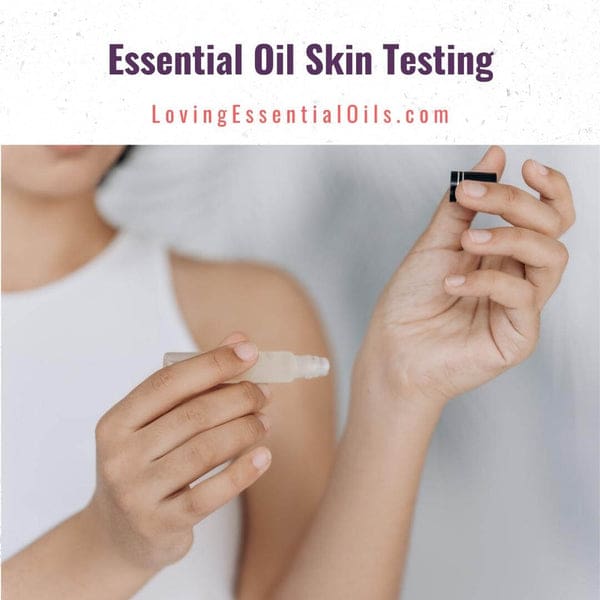
Who Should Do a Patch Test?
A patch test isn't required, but I strongly recommend it if you:
- Have sensitive skin, eczema, psoriasis or a history of skin reactions
- Have known allergies to plants, nuts or fragrances
- Are trying an essential oil or carrier oil for the first time
- Bought a new brand or a new bottle of an oil you already use
- Plan to use a blend on your face or over a large area, like a massage oil or body butter
- Are using an older bottle and aren't sure how old it is
Here's my own experience. I don't have allergies and I haven't had problems with properly diluted oils, so I don't patch test every oil for myself. My son is a different story. He has psoriasis and very sensitive skin, so I patch test everything before it goes on him, and I keep his blends at 1%.
Essential Oil Guide for Beginners - Getting Started
$ 5.99
Beginner's Essential Oil Guide - Download/Printable Learn how to safely and effectively make essential oils a part of your everyday life. Everything you need to know about essential oils. If you have ever been around anyone who loves using essential… Read More
How to Do an Essential Oil Skin Patch Test
What you'll need
- The essential oil you want to test
- 1 teaspoon of carrier oil, like jojoba oil (affiliate link)
- A small glass dish or bowl
- A bandage or a square of gauze and tape
Step 1: Dilute the oil
Mix 1 drop of essential oil into 1 teaspoon of carrier oil for about a 1% dilution, or 2 drops for about 2%. Test at the same dilution you plan to use. Never patch test with an undiluted essential oil.
Step 2: Apply a few drops to your inner forearm
Rub a few drops of the diluted oil onto a small patch of skin on the inside of your forearm or the bend of your elbow. The skin here is thin and easy to keep an eye on.

Step 3: Cover the spot
Cover the area with a bandage or gauze. Keep it dry, so skip swimming, showers on that arm and heavy workouts during the test.

Step 4: Wait 24 to 48 hours
Leave the bandage on and check the spot after 24 hours, then again at 48 hours. If it starts to itch, burn or sting at any point, don't wait. Remove the bandage and wash the area right away.
Step 5: Check your skin
Remove the bandage and look for redness, itching, bumps, swelling or a rash. No change means the oil is likely okay for you at that dilution.
Patch Test Dilution Chart
Use this chart to mix your test blend at the same strength you plan to use. I use 1% for the face and sensitive skin, 2 to 3% for everyday adult use, and up to about 5% only for short-term use on a small spot.
| Dilution | Best for | Per 1 tsp (5 ml) | Per 1 Tbsp (15 ml) | Per 10 ml roller |
| 1% | Face, sensitive skin, kids | 1 drop | 3 drops | 2 drops |
| 2% | Everyday adult use, body oils | 2 drops | 6 drops | 4 drops |
| 3% | Hands, feet, smaller areas | 3 drops | 9 drops | 6 drops |
| 5% | Short-term use on a small spot | 5 drops | 15 drops | 10 drops |
Some oils have a lower limit. For example, I keep tea tree at 3% or less and frankincense at 2% or less. See my full essential oil dilution guide and chart for more.
How to Read Your Patch Test Results
| What you see | What it means | What to do |
| No change after 48 hours | Your skin tolerated the oil at that dilution | Use it at the same dilution or lower |
| Mild pinkness or slight itch | Mild irritation | Wash it off. Skip the oil, or retest later at a lower dilution |
| Red, itchy rash, bumps or swelling | Possible allergic reaction | Wash it off and don't use that oil on your skin |
What to Do If Your Skin Reacts
- Remove the bandage right away.
- Wipe the area with a little plain carrier oil to lift off the essential oil, then wash gently with mild soap and cool water.
- Pat dry and leave the area alone. Don't add more essential oils to "calm" it.
- If the reaction is severe, spreading or doesn't settle, call your doctor. If you have swelling of the face or lips, or trouble breathing, get emergency help.
Make a note of the oil and the brand so you remember to avoid it.
Tips for a More Reliable Patch Test
- Test one oil at a time. If you test a blend and react, you won't know which oil caused it.
- Test your carrier oil too. Do a quick patch test with the plain carrier oil if you've never used it.
- Use fresh oils. Old, oxidized oils are much more likely to irritate skin. Here's how to tell if your essential oils have expired.
- Keep citrus oils out of the sun. Some citrus oils, like bergamot and cold-pressed lime, can make skin sensitive to sunlight. Keep the test spot covered. Learn more about photosensitive essential oils.
- A clear result isn't a forever guarantee. Skin can become sensitized to an oil over time with repeated use, especially at high dilutions. If an oil you've used for months suddenly bothers you, stop using it.
Essential Oil Safety Basics
- Always dilute essential oils before putting them on your skin, and keep them away from eyes and the inside of your nose and ears. Here's a guide to where to apply essential oils.
- Never ingest essential oils.
- For kids, use 1% and check each oil's age guidelines. I don't use peppermint or rosemary on children under 6, or eucalyptus under 10.
- If you're pregnant or breastfeeding, check with your doctor before using essential oils.
- Store oils cool, dark and tightly capped, and out of reach of children and pets.
Read more in my essential oil safety tips.
Share on Pinterest

More Essential Oil Basics
- Diluting Essential Oils Guide with Dilution Chart
- 5 Best Carrier Oils for Essential Oils
- Can I Use Expired Essential Oils?
- How to Choose Quality Essential Oils
- Essential Oils for Beginners
Ready to make your own blends? My Aromatherapy Supply Kits have the bottles and supplies you need, and you can grab one of my free essential oil guides to get started.