

Table of Contents
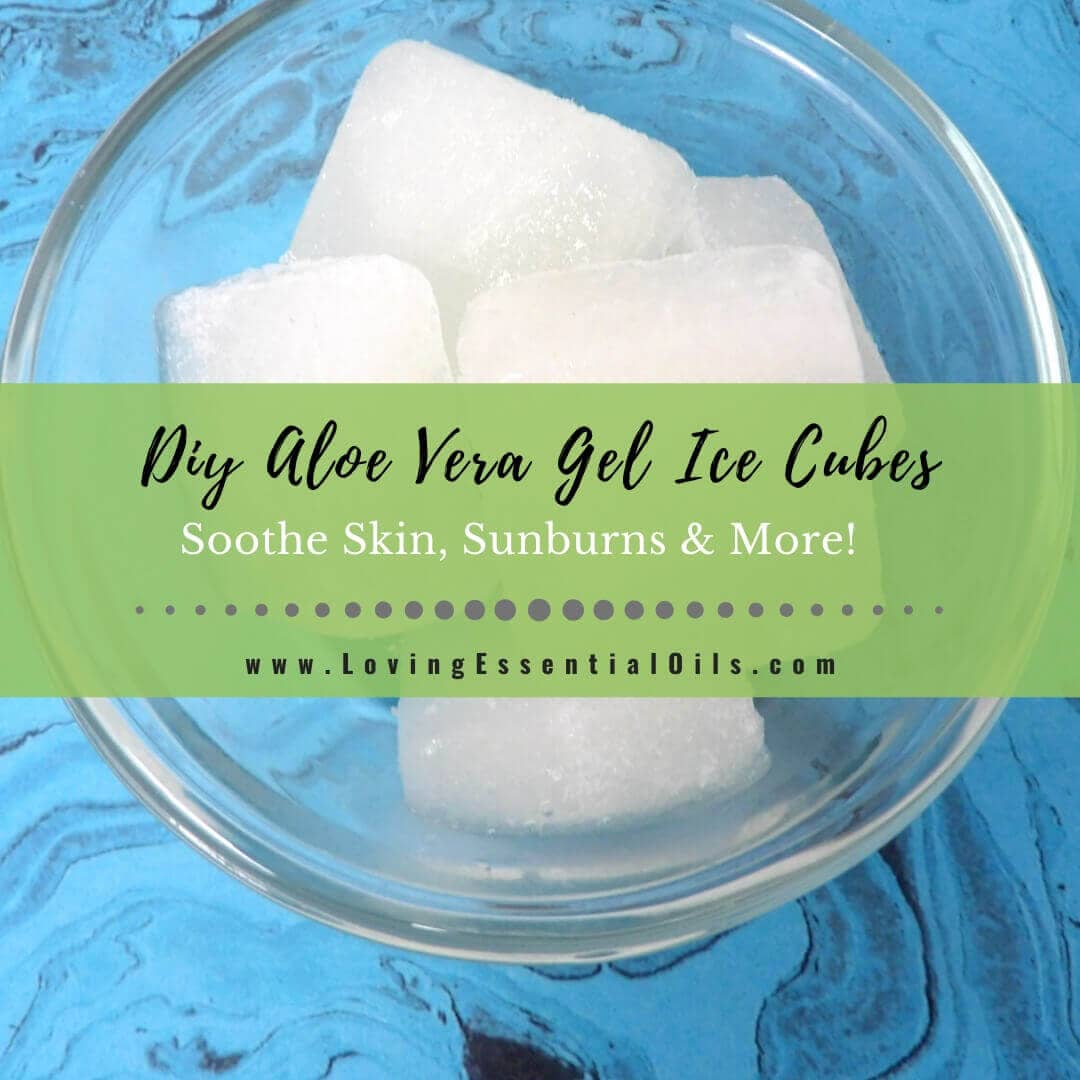
To make aloe vera gel ice cubes, pour pure aloe vera gel into a silicone ice cube tray, add a drop of lavender essential oil to each cube if you like, and freeze until solid. Glide a cube gently over sun-warmed skin for instant cooling relief. Below is the full how-to, an aloe sunburn gel recipe and more ways to use your cubes. Jump to the recipe.
I first made these after a fun day at the lake with my family that ended with three sunburned kids. My teen son forgot sunscreen on the tops of his feet, my teenage daughter put hers on while still wearing shorts, and my youngest took off his hat and sunglasses in the water and got burned under his eyes. Ughhh, I felt like a terrible mom! These cooling aloe cubes were a lifesaver that night, and now I keep a batch in the freezer all summer.

Aloe Vera Gel for Sunburn
Aloe vera gel has been my go-to after a day in the sun for years. It's light, cooling and hydrating, and it won't trap heat in the skin the way heavier oils and lotions can. Research suggests aloe may even help minor burns heal a little faster. Learn more in my guide to aloe vera for skin.
Why Is My Aloe Vera Gel Watery?
Pure aloe vera gel isn't thick and green like many drugstore after-sun gels, which often contain dyes, thickeners and alcohol. Real aloe from inside the leaf is clear, and once it's blended, it turns into a thin, watery gel. That's exactly what you want for ice cubes.
When buying aloe gel, look for one that is 95% to 99% aloe with no added color or fragrance. A small amount of preservative is normal and keeps it safe. Here is my favorite brand (affiliate link).
How to Make Aloe Vera Gel at Home
- Cut a thick outer leaf from your aloe plant.
- Stand it cut-side down in a cup for 10 to 15 minutes to drain the yellow sap (latex), which can irritate skin. Rinse the leaf.
- Trim off the spiky edges and slice away the green skin to reveal the clear gel.
- Pulse the gel in a blender or food processor a few times until it turns liquid.

Can You Freeze Aloe Vera Gel?
Yes! Freezing is a great way to preserve fresh aloe gel, which only lasts about a week in the fridge. Since the cubes take a few hours to freeze, make a batch before you need them so they're ready when a sunburn strikes.
DIY Aloe Vera Gel Ice Cubes
You Need
- Pure aloe vera gel (not thick "jelly")
- Lavender essential oil (optional)
- Silicone ice cube tray
- A toothpick
How to Make Aloe Vera Gel Ice Cubes
Step 1: Pour aloe vera gel into a silicone ice cube tray.
Step 2: If you like, add 1 drop of lavender essential oil to each cube and stir it in with a toothpick. Skip the lavender for cubes you'll use on children under 2.
Step 3: Freeze for several hours until solid.
Step 4: Pop the cubes out and store them in a labeled freezer bag or container. Use them within about 3 months.
Here is the silicone ice cube tray (affiliate link) I use for my aloe cubes:

Quick Aloe Vera Sunburn Gel
No frozen cubes ready? Mix up this simple after-sun gel instead.
- 1 tablespoon aloe vera gel
- 1/4 teaspoon jojoba or fractionated coconut oil
- 2 drops lavender essential oil
- 1 drop peppermint essential oil (optional; skip for kids under 6)
Directions: Mix the essential oils into the jojoba first, then stir the oil mixture into the aloe gel. Smooth a thin layer over sunburned skin. For more ideas, see Can You Mix Lavender Oil with Aloe Vera Gel? and my gentle essential oil recipes for sunburn.
How To Use Aloe Vera Gel Ice Cubes
1. For Sunburn
Gently glide a cube over sunburned skin to cool the heat. Hold a washcloth underneath to catch the melting gel, and keep the cube moving so it doesn't sit in one spot. Follow up with a thin layer of the sunburn gel above. Read more in lavender oil for sunburn.
2. For Itchy Bug Bites
Hold a cube over an itchy bite for a minute or two to cool the itch. Try my bug bite roller recipe too.
3. For a Calming Facial Refresh
Wrap a cube in a thin cloth and glide it over your face on a hot day or over puffy, tired skin. Avoid the eye area if your cubes contain essential oil.
4. For Dry, Tight Skin
Rub a cube over dry spots and let the gel air dry for a light dose of hydration.
5. After Shaving
Use a plain cube (no essential oil) to cool skin that feels warm or irritated after shaving.
6. On a Hot Summer Day
Glide a cube over your wrists, neck and the backs of your knees to cool down fast. For more ideas, see my homemade cooling spray.
Minor Kitchen Burn? Do This First
- Cool it for 20 minutes. Cool (not ice-cold) water is the most helpful thing you can do. It draws heat out so the burn doesn't go deeper, and it still helps up to 3 hours later. You don't have to stand at a running tap: soak the burn in a bowl of cool tap water, adding fresh water as it warms, or hold a cool, wet cloth on it and re-wet the cloth often. (Water your plants with it afterward.) Take off rings or bracelets near the burn before it swells.
- Skip the ice. Ice is too cold for injured skin and can add a cold injury on top of the burn. It also numbs the area, so it feels better than it really is.
- Hold the oils for now. Oils, butter and balms hold heat in, the opposite of what you want. Once it's cooled, leave it alone or cover it loosely with cling film or a clean, non-fluffy dressing. Plain aloe vera gel is a gentle option if it feels hot.
- Save essential oils for later. Once the heat and sting have settled, usually the next day, and the skin is unbroken, a little lavender mixed into aloe gel (1 drop per teaspoon) is a gentle comfort. Never put oils on blisters or open skin.
Get medical care for burns larger than your palm, burns that blister or look white or charred, burns on the face, hands, feet, genitals or joints, chemical or electrical burns, burns on babies and young children, or any burn that shows signs of infection. Sources: NHS burns and scalds treatment and British Red Cross first aid for burns.
Benefits of Aloe Vera Gel for Skin
- Hydrates and moisturizes, especially dry skin
- Feels cooling and soothing on sun-warmed skin
- Calms skin that feels irritated
- May help minor burns heal a little faster
- Light, non-greasy and gentle for most skin types
For eczema, psoriasis, acne or any skin problem that isn't getting better, talk to your doctor or dermatologist.
Aloe Vera Safety Tips
- Patch test aloe first, especially if you're allergic to garlic, onions or tulips.
- Don't use aloe on deep cuts, infected skin or severe burns.
- See a doctor for sunburn with blisters, fever, chills or dizziness.
- Keep aloe plants away from cats and dogs, since they are toxic if chewed.
Done-For-You Aloe and Lavender
Not a DIYer? Plant Therapy makes a lavender aloe vera jelly with 1% lavender essential oil and botanical extracts like horsetail and gotu kola. It's a nice option to keep on hand. You can find it here (affiliate link).
More Ways to Use Essential Oils This Summer
- Steam Distilled vs Cold-Pressed Lime: how to avoid sun reactions when using lime oil.
- 10 Summer Diffuser Blends: fresh, bright blends for hot days.
- Best Summer Essential Oils Guide: recipes for sun, bugs and heat.
- Aloe Vera for Skin: benefits, how to use it and more DIY recipes.
Share on Pinterest