
Table of Contents
Updated November 2026
Is there really anything to aromatherapy? Has anyone scientifically studied the benefits of aromatherapy scents? The answer is yes. Research is still growing, and many studies are small, but some of the findings are exciting.
Aromatherapy is the use of plant scents to support your mood and well-being. Your sense of smell is closely linked to the parts of your brain involved in emotion and memory, so when you smell something, you often react before you even think about it.
This is why we have such strong reactions to aromas, especially when they're linked to past experiences. It's also why many people find aromatherapy scents so helpful for relaxing and unwinding.
This post contains affiliate links. If you buy through them, I may earn a small commission at no extra cost to you.
What Is Aromatherapy?
Aromatherapy is the use of essential oils to support a person's mood, emotions, and sense of well-being. Essential oils are concentrated plant extracts with a strong aroma. They can be inhaled, or diluted and applied to the skin.
Many people use aromatherapy scents to relax, wind down for sleep, feel more alert, or freshen a room. Some small studies suggest scent may help with relaxation and stress, though more research is needed, and essential oils aren't a treatment for medical conditions.

Does Aromatherapy Really Offer Any Benefits?
Aromatherapy has been used for centuries to promote relaxation and well-being. Here's a look at what some studies have found.
Lavender Essential Oil
Lavender is one of the most studied aromatherapy scents. Some research suggests its scent may help people feel calmer, with small changes in heart rate in some studies. Many massage therapists use lavender in their oils and diffusers for its soothing scent.
Another lovely floral essential oil scent is geranium, which many people find relaxing in a similar way.
Peppermint Essential Oil
Peppermint is a strong, cool scent that many people find helps them feel alert and focused. In one small study, students who chewed peppermint gum while taking tests scored higher than students who chewed other flavors. Peppermint is for ages 6+.
Grapefruit Essential Oil
Grapefruit is a fun, bright aromatherapy scent. One study on scent and age perception found that men guessed women wearing a grapefruit scent were younger than when the same women wore other scents.
Choose Quality Oils
Your body won't respond to a synthetic fragrance the same way it does to an essential oil, so choose a quality essential oil. Look for 100% pure essential oils with the botanical name on the label.
Before essential oils go on your skin, mix them into an unscented lotion or a carrier oil, such as fractionated coconut oil or jojoba oil (affiliate link).

10 Aromatherapy Scents and Their Moods
If you're trying aromatherapy for the first time, or are just curious about the most popular aromatherapy scents, here's a quick guide. Choose your favorite or mix a few together to create your own blend. Ages apply to diffusing too.
| Scent | Why people love it | Ages |
|---|---|---|
| Roman chamomile (Chamaemelum nobile) | Soft and apple-like; relaxing at bedtime | 2+ |
| Clary sage (Salvia sclarea) | Musky and herbal; calming (avoid in pregnancy) | 5+ |
| Eucalyptus (Eucalyptus globulus) | Fresh and clearing; invigorating | 10+ |
| Ginger (Zingiber officinale) | Warm and spicy; comforting | 5+ |
| Lavender (Lavandula angustifolia) | Soft floral; soothing at bedtime | 2+ |
| Lemon (Citrus limon) | Bright and clean; cheerful and fresh | 5+ |
| Peppermint (Mentha × piperita) | Cool and sharp; refreshing and alert | 6+ |
| Rosemary ct. cineole (Salvia rosmarinus) | Fresh and herbal; good for focus | 10+ |
| Sweet orange (Citrus sinensis) | Sweet and sunny; uplifting | 2+ |
| Ylang ylang (Cananga odorata) | Sweet tropical floral; relaxing, lovely as a natural perfume (0.8% max on skin) | 5+ |
Aromatherapy for Busy Days
Being busy seems to be the norm these days, and that fast pace can leave us stressed, tired, and scattered. Aromatherapy scents are a simple, natural way to build little moments of calm or energy into your day.
Be sure to choose high-quality essential oils from a reputable company, and always follow safe dilution guidelines.

5 Benefits of Aromatherapy Scents
Here are a few of my favorite ways to use aromatherapy scents, with oils to try and recipes to enjoy them in.
1. Aromatherapy for Low Energy
When your energy is zapped, try a bright citrus scent. See how lime, grapefruit, lemon, or orange makes you feel. These energizing scents can quickly refresh your mind. Eucalyptus (10+) is another fresh, invigorating scent.
Energy Boost Inhaler
Inhaler · Ages 12+ · 15 drops
- 6 drops grapefruit (Citrus paradisi)
- 3 drops peppermint (Mentha × piperita)
- 4 drops lemon (Citrus limon)
- 2 drops lime (Citrus aurantifolia)
- 1 blank aromatherapy inhaler
Directions: Add the oils to the inhaler wick, slide it into the tube, and snap on the end. Hold it just under your nose without touching, breathe in, and cap it right after use. Label it with your name so it isn't shared.

2. Aromatherapy Scents for Sleep
A good night's sleep sets a positive tone for the next day. Let the soothing aromas of lavender, sandalwood, Roman chamomile, or vetiver help you settle in. Bergamot or clary sage in the evening can help you relax before bed.
DIY Bedtime Lotion
Lotion · Ages 12+ · 2%
- 6 drops lavender (Lavandula angustifolia)
- 4 drops cedarwood, Virginian (Juniperus virginiana)
- 2 drops Roman chamomile (Chamaemelum nobile)
- 1 oz unscented lotion (affiliate link)
- 1 oz glass jar
Directions: Add the lotion to the jar, add the essential oils, and stir well. Smooth onto arms, legs, and feet before bed, and take a deep breath to relax.
Little Bedtime Lotion
Lotion · Ages 5+ · 1%
- 3 drops lavender (Lavandula angustifolia)
- 2 drops cedarwood, Virginian (Juniperus virginiana)
- 1 drop Roman chamomile (Chamaemelum nobile)
- 1 oz unscented lotion
- 1 oz glass jar
Directions: Make it the same way. Smooth a little onto your child's arms, legs, or feet at bedtime. Label the jar with their name and the dilution.
Note: Skip Roman chamomile with a ragweed or daisy allergy.

3. Aromatherapy for Focus
When a deadline is looming or a task needs your full attention, sharpen your focus with a fresh scent. Try rosemary, basil, peppermint, or spearmint. These are great for study time too.
Focus Roll-On
Roller · Ages 12+ · 3%
- 2 drops frankincense (Boswellia carterii)
- 2 drops cardamom (Elettaria cardamomum)
- 1 drop peppermint (Mentha × piperita)
- 1 drop rosemary ct. cineole (Salvia rosmarinus)
- Jojoba oil to fill a 10 ml glass roller
Directions: Add the essential oils to the roller, fill with jojoba to just below the shoulder, cap, and shake. Roll onto wrists and breathe in.

4. Aromatherapy for Meditation and Quiet Time
Grounding scents can make quiet time, prayer, or meditation feel more special. Try frankincense, cedarwood, patchouli, sandalwood, or vetiver. They're lovely for winding down too.
Meditation Roll-On
Roller · Ages 12+ · 3%
- 2 drops frankincense (Boswellia carterii)
- 1 drop cedarwood, Virginian (Juniperus virginiana)
- 2 drops tangerine (Citrus reticulata)
- 1 drop sweet marjoram (Origanum majorana)
- Jojoba oil to fill a 10 ml glass roller
Directions: Add the essential oils to the roller, fill with jojoba to just below the shoulder, cap, and shake. Roll onto wrists and the back of the neck before quiet time.

5. Aromatherapy Scents to Freshen the Air
One favorite way to freshen the air is with an aromatherapy diffuser or a homemade room spray. Lemon, grapefruit, rosemary, and tea tree all have clean, fresh scents. They cover odors nicely, though they aren't a replacement for opening a window or cleaning the source.
Lavender and Lemon Room Spray
Room spray · Ages 5+ · 30 drops in 4 oz
- 15 drops lemon (Citrus limon)
- 15 drops lavender (Lavandula angustifolia)
- 2 Tbsp high-proof alcohol (like 190-proof grain alcohol)
- Distilled water to fill a 4 oz glass spray bottle
Directions: Add the essential oils to the alcohol in the bottle and swirl to blend. Fill with distilled water, add the spray top, and shake. Shake before each use and spritz into the air, away from faces, pets, and wood furniture. Make a fresh batch every week or two.

What the Research Says About Aromatherapy Scents
Many of these studies are small or done in labs, so think of them as promising, not proven. Essential oils aren't a treatment for any medical condition.
Lavender: Relaxation
Lavender is the most studied aromatherapy scent, and several studies suggest it may help people feel calmer and more relaxed.
- https://www.ncbi.nlm.nih.gov/pmc/articles/PMC10465640/
- https://www.ncbi.nlm.nih.gov/pmc/articles/PMC12000914/
- https://www.ncbi.nlm.nih.gov/pmc/articles/PMC3612440/
Lemon: Mood
Lemon's bright scent is popular for an uplifting mood, and it's a favorite in homemade cleaners.
- https://www.ncbi.nlm.nih.gov/pmc/articles/PMC9590261/
- https://www.ncbi.nlm.nih.gov/pmc/articles/PMC12000914/
- https://www.ncbi.nlm.nih.gov/pmc/articles/PMC7321087/
Peppermint: Alertness and Focus
Peppermint's cool menthol scent may help people feel more alert and focused.
- https://www.ncbi.nlm.nih.gov/pmc/articles/PMC11626260/
- https://www.ncbi.nlm.nih.gov/pmc/articles/PMC11973245/
Frankincense: Grounding
Frankincense has a warm, grounding scent, and researchers are studying its compounds for skin and comfort uses.
- https://doi.org/10.1016/j.jep.2017.08.025
- https://www.ncbi.nlm.nih.gov/pmc/articles/PMC7368679/
- https://pubmed.ncbi.nlm.nih.gov/39700461/
Tea Tree: Skin Care
Tea tree is one of the most researched oils for blemish-prone skin. Always dilute it, and keep it away from cats.
- https://www.ncbi.nlm.nih.gov/pmc/articles/PMC1360273/
Eucalyptus: Fresh, Clearing Scent
Eucalyptus has a fresh scent many people love to diffuse when they feel stuffy. It's for ages 10+.
- https://www.ncbi.nlm.nih.gov/pmc/articles/PMC12000914/
- https://pubmed.ncbi.nlm.nih.gov/20359267/
Sweet Orange: Mood
Sweet orange's cheerful scent is a favorite in mood-boosting blends.
- https://www.ncbi.nlm.nih.gov/pmc/articles/PMC12000914/
Rosemary: Focus
Rosemary's fresh, herbal scent is being studied for focus and memory. Rosemary ct. cineole is for ages 10+.
- https://www.ncbi.nlm.nih.gov/pmc/articles/PMC10905622/
Bergamot: Calm Mood
Bergamot's fresh citrus scent may help some people feel calmer. On skin, use bergamot FCF.
- https://www.ncbi.nlm.nih.gov/pmc/articles/PMC4441165/
Chamomile: Gentle Skin Care
Chamomile is a favorite for gentle skin care blends. Skip it with a ragweed or daisy allergy.
- https://www.ncbi.nlm.nih.gov/pmc/articles/PMC2995283/
Lemon Balm (Melissa): Relaxation
Lemon balm, sold as melissa essential oil, has a soft lemon scent valued for relaxation. It's for ages 12+, at 0.9% max on skin.
- https://www.ncbi.nlm.nih.gov/pmc/articles/PMC3230760/
Aromatherapy Benefits of Scenting Your Home or Office
Imagine walking in the door after a long day to a pleasant aroma. Many people find it helps them relax and settle in. Businesses use scent the same way, to make customers and employees feel comfortable.
Some scents can bring back happy memories and lift your mood. The parts of the brain involved in smell, memory, and emotion are closely connected, which is why a single scent can bring back a feeling so quickly.
Conclusion
Aromatherapy scents are a simple, natural way to support your mood, relax, and enjoy your home. They aren't a cure for anything, but they can be a lovely part of a healthy routine.
A Few Safety Basics
• Keep essential oils away from babies under 2, including diffusing in a room they're in.
• Always dilute oils before they touch skin, and patch test a new blend on your inner forearm for 24 to 48 hours.
• Check the age on each recipe. Kids 2 to 4 use only six starter oils at 0.5%, after checking with your pediatrician. Kids 5 to 11 stay at 0.5 to 1%.
• If you're pregnant, check with your doctor or midwife first. For the first 16 weeks I use only six oils, and only in a diffuser or inhaler: lavender, sweet orange, lemon, ginger, cedarwood (Virginian), and frankincense. After that, skin blends stay at 0.5 to 1%.
• Never put oils on pets, and diffuse with a door open so they can leave. Cats are especially sensitive, including to tea tree, citrus, peppermint, eucalyptus, pine, wintergreen, cinnamon, clove, and ylang ylang.
• Never swallow essential oils. If someone does, call Poison Control at 1-800-222-1222.
Share on Pinterest

More Essential Oil Basics
- Essential Oil Benefits vs Risks: What to Know
- What To Do When Essential Oils Don't Work
- 7 Essential Oil Safety Tips Every Beginner Should Know
- Topical vs Inhalation: Which Method Is Best?
Ready to start blending? My Aromatherapy Supply Kits have the bottles and supplies you need, and my free essential oil guides are a great place to begin.
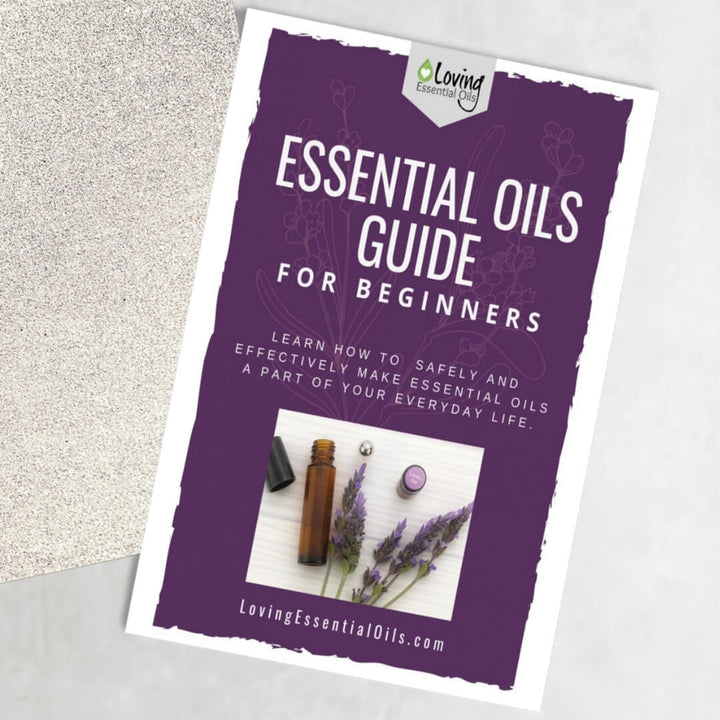
Essential Oil Guide for Beginners - Getting Started
$ 5.99
Beginner's Essential Oil Guide - Download/Printable Learn how to safely and effectively make essential oils a part of your everyday life. Everything you need to know about essential oils. If you have ever been around anyone who loves using essential… Read More
31 PC Deluxe Essential Oils Kit: Aromatherapy Supplies
$ 39.99
NEWLY UPDATED 31 PC Deluxe Essential Oils Kit! Jars added and a BONUS accessories pack. Aromatherapy supplies include a variety of tools needed for making DIY products with your essential oils. Use this kit to make roll on blends, inhaler… Read More