

Table of Contents
Updated November 2026
Essential oils are the concentrated aromatic compounds of a plant, usually steam-distilled from flowers, leaves, wood, or resin, or pressed from citrus peels. So, what are essential oils good for? They give plants their scent, and for us that scent is the whole point: breathed in from a diffuser or smoothed on in a diluted blend, they can make a room feel calmer, a morning feel brighter, or a stuffy day feel a little clearer. Below I explain what they are, how they're made, how their scent works, and how to start using them safely. Jump to how essential oils work.
I'm Jennifer Lane, a Certified Aromatherapist, and these are the basics I wish someone had handed me when I bought my first bottle. If you're ready for the how-to, my essential oils for beginners guide answers the 20 questions I hear most.
What Are Essential Oils?
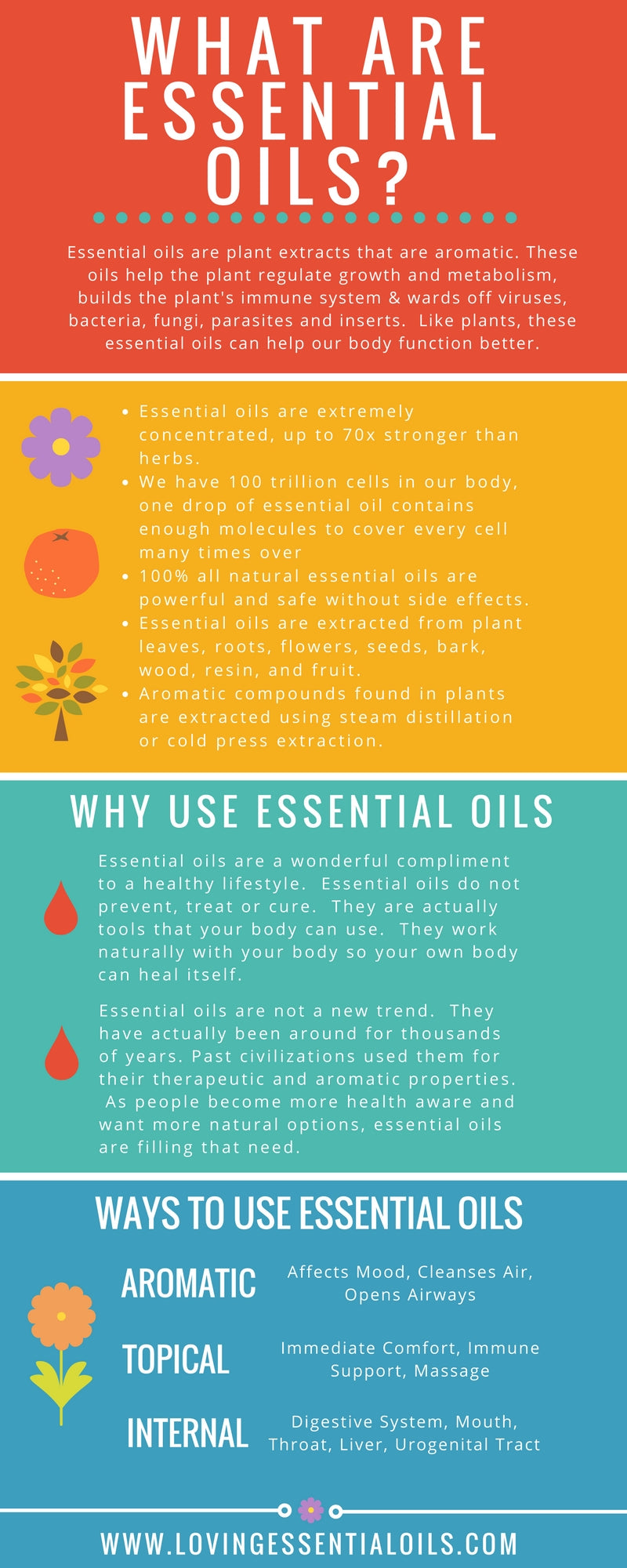
Essential oils are the aromatic compounds a plant makes in tiny glands and cells in its flowers, leaves, needles, seeds, bark, roots, resin, and fruit peels. For the plant, these compounds do real work: they attract pollinators, discourage insects and animals that want to eat it, and help it cope with heat and injury.
Each oil is a mix of dozens to hundreds of natural compounds, and that mix is what gives lavender its soft floral scent and lemon its bright, clean one. The same plant can even give two different oils: Coriandrum sativum gives us cilantro oil from its leaves and coriander oil from its seeds.
Essential oils are very concentrated. It takes a lot of plant material to make one small bottle, which is why a few drops go a long way, and why they always need to be diluted before they touch your skin.
How Are Essential Oils Made?
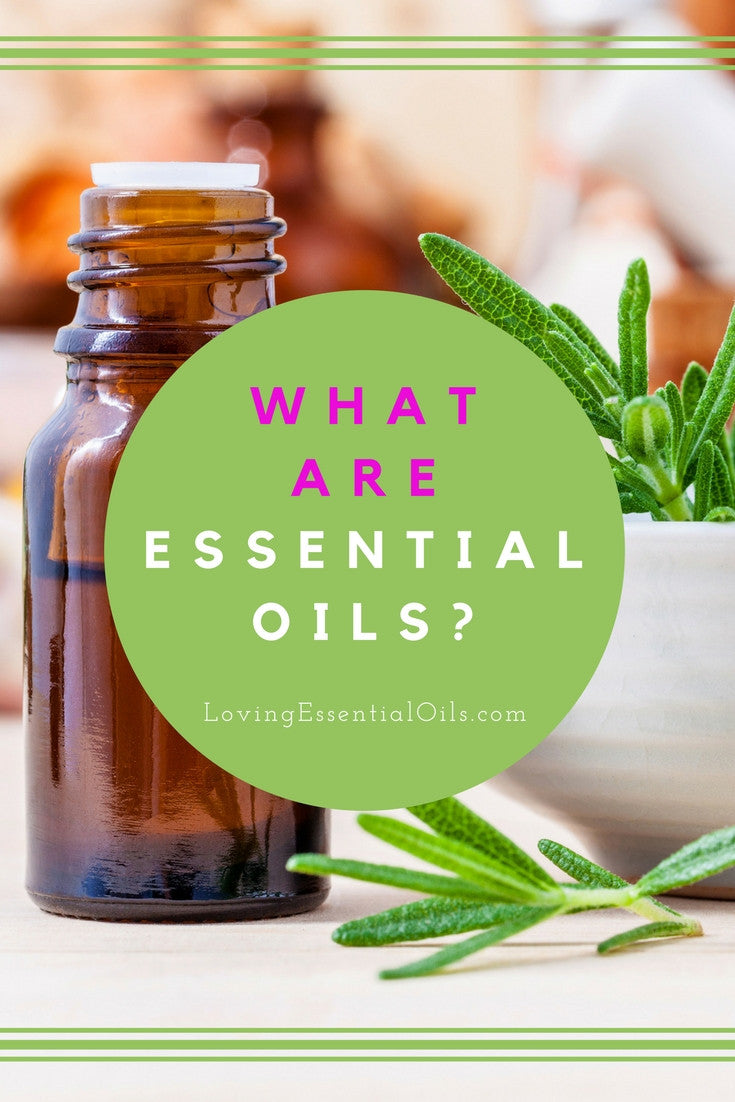
- Steam distillation: steam passes through the plant material and carries the oil out. As it cools, the oil separates from the water. Most oils, like lavender and peppermint, are made this way. The leftover water is a hydrosol, a gentle scented water with only a tiny amount of oil.
- Cold pressing (expression): citrus peels are pressed to release their oil. Sweet orange, lemon, and grapefruit are usually cold-pressed.
- CO2 and solvent extraction: used for delicate plants. Solvent extraction makes absolutes, like jasmine and rose absolute.
Essential Oil vs Fragrance Oil vs Carrier Oil
| Type | What it is | How it's used |
|---|---|---|
| Essential oil | Concentrated aromatic compounds from one plant | Diffused or breathed in, or diluted before it touches skin |
| Fragrance oil | A scent made in a lab to copy a smell, often with synthetic ingredients | Candles and soaps; not for aromatherapy |
| Carrier oil | A plant oil pressed from nuts or seeds, like jojoba or sweet almond | Dilutes essential oils so they're safe on skin |
Read more about fragrance oil vs essential oil.
How Do Essential Oils Work?
When you breathe in an essential oil, scent molecules reach the smell receptors in your nose, which connect to the parts of the brain tied to mood and memory. That's why a scent can bring back a memory or change how a room feels almost instantly.
Each oil's character comes from its chemistry. Lavender is mostly linalool and linalyl acetate, the soft floral notes. Lemon's bright scent comes mostly from limonene. Peppermint's coolness comes from menthol, and in a small 1988 study, breathing in menthol made airflow through the nose feel noticeably easier, even though the measured airflow didn't change. In a 2003 study of 144 adults, people working in a rosemary-scented room scored better on memory quality and felt more alert than people with no scent.
Essential oils won't cure illness or replace your medicine. What they do well is comfort: a calm, settled feeling at bedtime, a cheerful lift in the morning, a cool, clearing feeling when you're stuffed up. It's a natural comfort measure alongside what your doctor recommends.
What Are Essential Oils Used For?
- Setting a mood at home: a few drops in a diffuser to wind down in the evening or wake up the kitchen in the morning
- Personal scent: a diluted roller blend or a diffuser necklace instead of perfume
- Skin and body care: adding scent to homemade lotions, body oils, soaps, and bath soaks
- Cleaning: adding a fresh scent to homemade cleaners
- Comfort: a massage oil for tired shoulders, or an inhaler to carry on a stressful day
How to Use Essential Oils
There are two ways I use essential oils at home: breathing in the scent and applying them to skin, diluted. I never take them by mouth.
Breathing In the Scent
- Diffuser: 3 to 8 drops in an ultrasonic diffuser, run for 30 to 60 minutes, then take a break. Here's how to use an essential oil diffuser.
- Tissue or cotton ball: 1 to 2 drops to breathe in when you need it.
- Personal inhaler: a pocket-sized way to enjoy a scent without filling the room. Try my inhaler blend recipes.
- Room spray: mix the oils into high-proof alcohol or a solubilizer first, then add water, since oil and water don't mix. See my homemade essential oil sprays.
- Steam bowl (ages 12+): 1 to 2 drops in a bowl of hot, not boiling, water. Keep your face about 12 inches away and your eyes closed.
On Your Skin, Diluted
Always dilute essential oils in a carrier oil before they touch your skin. For adults and teens 12 and up, 2 to 3% is a good everyday strength.
- Roller bottle: 4 to 6 drops of essential oil in a 10 ml roller, topped with carrier oil. Check out my roller bottle recipes.
- Massage oil: 1 to 2% for a full-body massage, since it covers a lot of skin.
- Bottoms of the feet: a good spot for strong scents you'd rather not have near your nose.
- Face, jaw, and temples: keep these at 0.5 to 1%.
Want the full chart? See my dilution calculator and chart and my guide to where to apply essential oils.
Why I Don't Swallow Essential Oils
Some oils are sold as safe to take internally, but they are extremely concentrated and can irritate or damage the mouth, throat, and stomach. Dosing, medication interactions, and health conditions all make it risky at home, so I stick to scent and diluted skin use. If someone swallows an essential oil, call Poison Control at 1-800-222-1222 and follow their instructions.
Essential Oils for Cleaning
Essential oils add a fresh, natural scent to homemade cleaners. The cleaning itself comes from the base, like castile soap, baking soda, or vinegar; the oils make the job smell nicer. Lemon, sweet orange, lavender, and tea tree are popular choices. Start with my 20 essential oil cleaning recipes.
- Never mix essential oil cleaners with bleach.
- Don't use vinegar on natural stone like granite or marble.
- Test a small spot first on wood, fabric, or painted surfaces.
- Keep pets out of the room while you spray, and let surfaces dry before they walk on them.
Essential Oils and Mood
Mood is where most people fall in love with essential oils. Lavender has a soft floral scent that feels calm and settled at the end of the day. Bergamot is bright and citrusy, with a cheerful lift. Peppermint is cool and fresh, a nice pick-me-up in the afternoon. Find more ideas in my mood-lifting diffuser blends.
Use them one at a time or combine them into a blend. Add a few drops to a diffuser or inhaler, or dilute them in a carrier oil for your wrists. If you put a blend on your temples, keep it at 0.5 to 1%, and use bergamot FCF on skin, since regular bergamot can make skin sun-sensitive.
A Few Safety Basics
• Keep essential oils away from babies under 2, including diffusing in a room they're in.
• Always dilute oils before they touch skin, and patch test a new blend on your inner forearm for 24 to 48 hours.
• Check the age for each oil. Kids 2 to 4 use only six starter oils at 0.5%, after checking with your pediatrician. Kids 5 to 11 stay at 0.5 to 1%. Peppermint is for ages 6 and up.
• If you're pregnant, check with your doctor or midwife first. For the first 16 weeks I use only six oils, and only in a diffuser or inhaler: lavender, sweet orange, lemon, ginger, cedarwood (Virginian), and frankincense.
• Diffuse for 30 to 60 minutes, then take a break.
• Never put oils on pets, and diffuse with a door open so they can leave. Cats are especially sensitive, including to tea tree, citrus, peppermint, eucalyptus, pine, wintergreen, cinnamon, clove, and ylang ylang.
• Never swallow essential oils. If someone does, call Poison Control at 1-800-222-1222.
What About "Therapeutic Grade"?
"Therapeutic grade" is a marketing term any company can use. No government agency or organization grades or certifies essential oils in the United States. Instead, look for the botanical name, country of origin, extraction method, and GC/MS test results. Here's my checklist for how to choose quality essential oils.
Share on Pinterest
More Posts for Beginners
- Essential Oils for Beginners: 20 Questions Answered
- 7 Essential Oil Safety Tips
- Diluting Essential Oils: Dilution Calculator and Chart
- 50 Kid Safe Essential Oils List
- Best Essential Oil Accessories for Beginners
Ready to start blending? My Aromatherapy Supply Kits have the bottles and supplies you need, and my free essential oil guides are a great place to begin.
31 PC Deluxe Essential Oils Kit: Aromatherapy Supplies
$ 39.99
NEWLY UPDATED 31 PC Deluxe Essential Oils Kit! Jars added and a BONUS accessories pack. Aromatherapy supplies include a variety of tools needed for making DIY products with your essential oils. Use this kit to make roll on blends, inhaler… Read More

Essential Oil Guide for Beginners - Getting Started
$ 5.99
Beginner's Essential Oil Guide - Download/Printable Learn how to safely and effectively make essential oils a part of your everyday life. Everything you need to know about essential oils. If you have ever been around anyone who loves using essential… Read More